












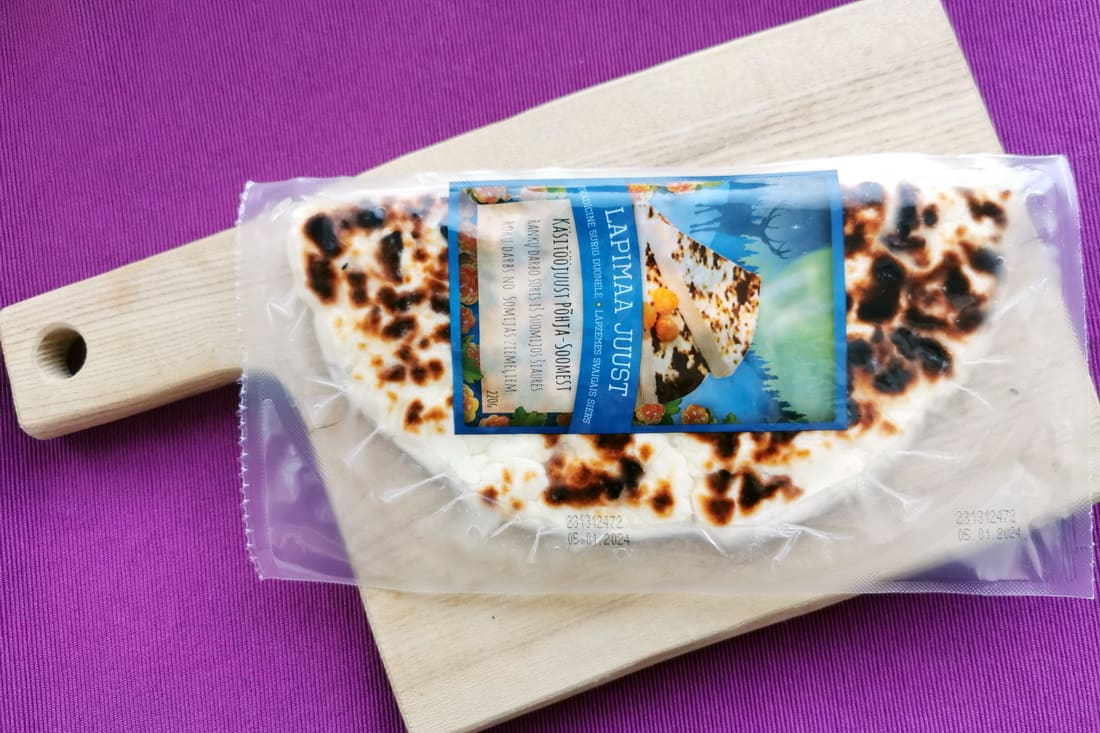
Wander through the dairy section of any Nordic supermarket and you will spot something that resembles a charred omelette sealed in plastic. To the uninitiated, it looks like a kitchen accident.
But this visual confusion masks one of the oldest dairy traditions in Northern Europe: Lapland cheese, known in Finland as leipäjuusto and often simply called Finnish squeaky cheese. It is a culinary paradox—a traditional food adapted to a climate where fresh dairy simply doesn’t last.
The Reindeer Connection
This is not a modern invention. For centuries, this cheese was a survival staple for the Sámi people across the Arctic region (Sápmi).
Originally, it was made exclusively from reindeer milk – a resource rich in fat (typically 18–25%) but available only during the short northern summer.
To make the nutrition last through the dark winter, the cheese was dried by open fires until it was firm. It could be stored for long periods and softened again in hot broth or coffee. It wasn’t until the 19th century that it moved south, entered the farmhouses of Finland and Sweden, and transitioned to the cow’s milk version we see today.
Why Leipäjuusto Squeaks (And What It Means)
The Finnish name leipäjuusto translates literally to “bread cheese,” referring to its baked appearance. Unlike most cheeses, which are aged to develop flavour, this one is baked in an oven or over an open fire.
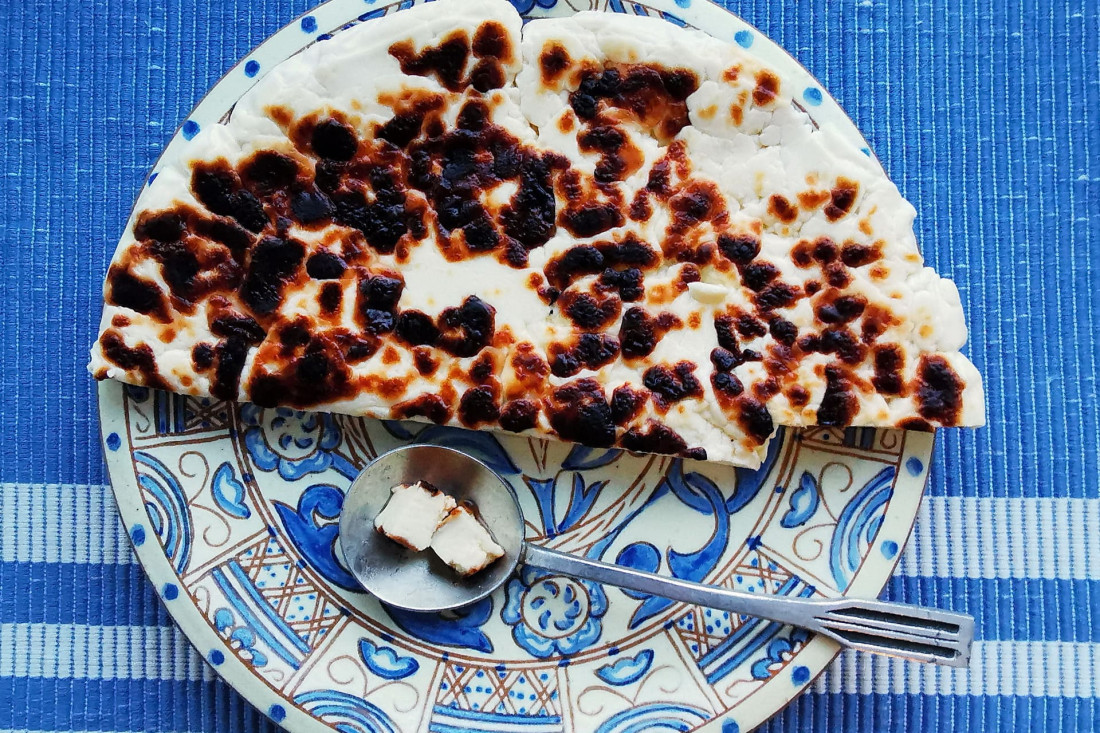
Visual confusion. Those signature brown spots come from high-heat baking – they aren’t burnt, they’re perfectly caramelised. To the uninitiated, it looks like a scorched omelette; to a local, it looks like comfort.
The heat caramelises the surface sugars, while the inside remains mild and firm. This contrast in texture is exactly why Finnish bread cheese (leipäjuusto) makes that signature sound.
Its dense casein structure and low moisture content create friction against the teeth. It sounds like a culinary warning, but it’s actually the hallmark of a fresh, properly made wheel.
Where to Buy Leipäjuusto (Lapland Cheese)
You don’t need a trip to the Arctic Circle to find it. In Finland and Sweden, it is an everyday product available in mainstream chains like Prisma, ICA, or Rema 1000. Look for it near fresh local cheeses.
It has even crossed the Atlantic – you can occasionally find it in specialty retailers or Whole Foods in the US, usually shelved near grilling cheeses like halloumi.
It is an accessible local delicacy; a standard 200g disc typically costs between €5 and €10.
In Finland and Sweden, it is an everyday product. If you are exploring the wider Baltic region, you will find similar intersections of tradition and accessibility in my guide to Estonian Food: Traditional Dishes, Everyday Staples, and What to Try First.
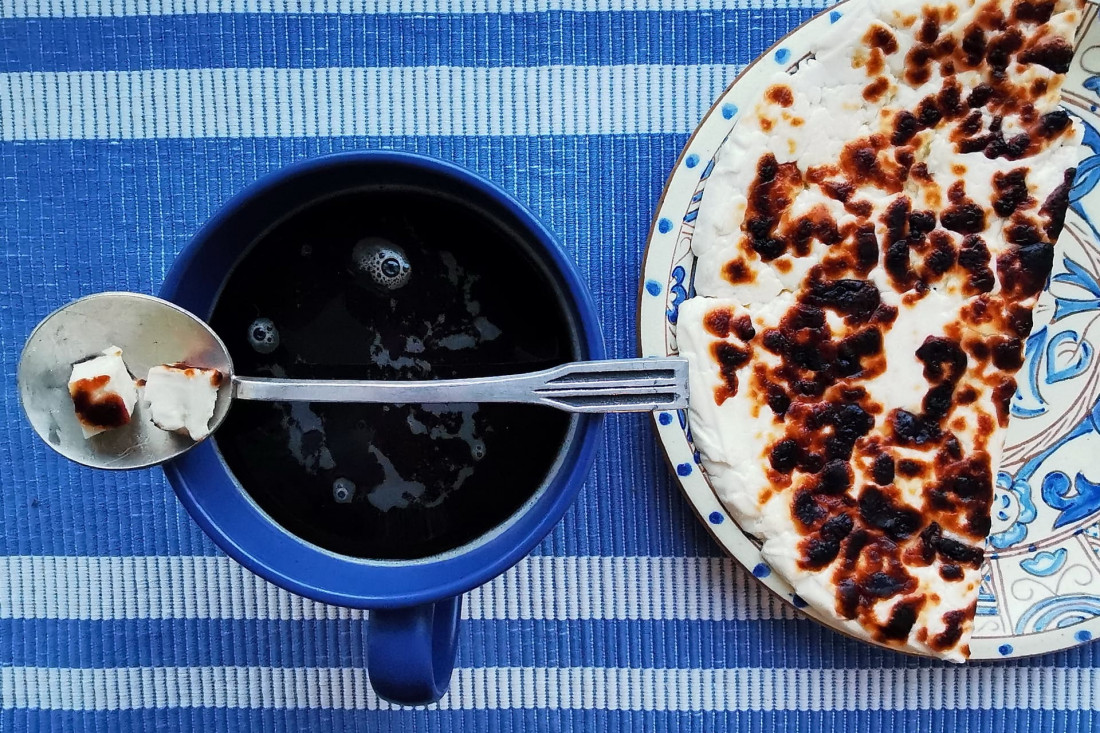
Kaffeost in action. The porous cheese absorbs the coffee, becoming a soft, savoury sponge. Traditional wooden cups (kuksa) are optional but recommended.
Gastronomy Notes
How to Cook and Eat Leipäjuusto
FAQ about Leipäjuusto
Can you eat it cold?
Yes, straight from the pack, though warming it is highly recommended to release the flavour.
Can you microwave it?
Yes, briefly. 15–20 seconds, depending on thickness, is enough to soften it without making it rubbery.
What does it taste like?
Mild, slightly salty, and milky, with a toasted, caramel-like note on the surface.
Why does it squeak?
It is the physical result of its dense casein structure creating friction as you bite.
It’s not elegant, and it’s not subtle. If you try it once, try it warm. Cold leipäjuusto is just cheese. Warm leipäjuusto is the whole point.

