













This is not a report from a glass igloo. But if you want to understand Finland winter travel beyond the clichés, you need to look at the daily reality: the grit, the transit, and the unwritten rules of the cold.
Most of this comes from a week in Kotka and travelling through the south-east region. I didn’t hunt for Northern Lights; I hunted for groceries, navigated the bus system, and watched how a country operates perfectly at -10°C.
Here are 11 observations on the Finnish winter reality.
1. The Silence Paradox: Social Rules in Winter
The stereotype of the silent Finn is true—until it isn’t. If you sit on a bench, no one will invade your bubble; privacy is the default setting here. But this social contract has a loophole: the bus.
When exiting from the back doors, almost every passenger yells a cheerful “Kiitos!” (Thank you) to the driver. It isn’t a murmur; it is a broadcast.
The first time I heard it, I thought the passenger knew the driver. Then I realized it was a collective ritual. In a culture that fiercely guards personal space, this shouted gratitude binds the commute together.
Field Note: If you want to blend in, don’t forget to press the stop button early. And yes, you can say “Kiitos” too. It feels surprisingly good.
2. Reflector Fashion: Finland Winter Travel After Dark
In winter, Finland is dark. To survive, the population has evolved to glow. Reflectors here are not just safety gear; they are a mandatory accessory, dangling from designer coats, backpacks, and dog leashes.
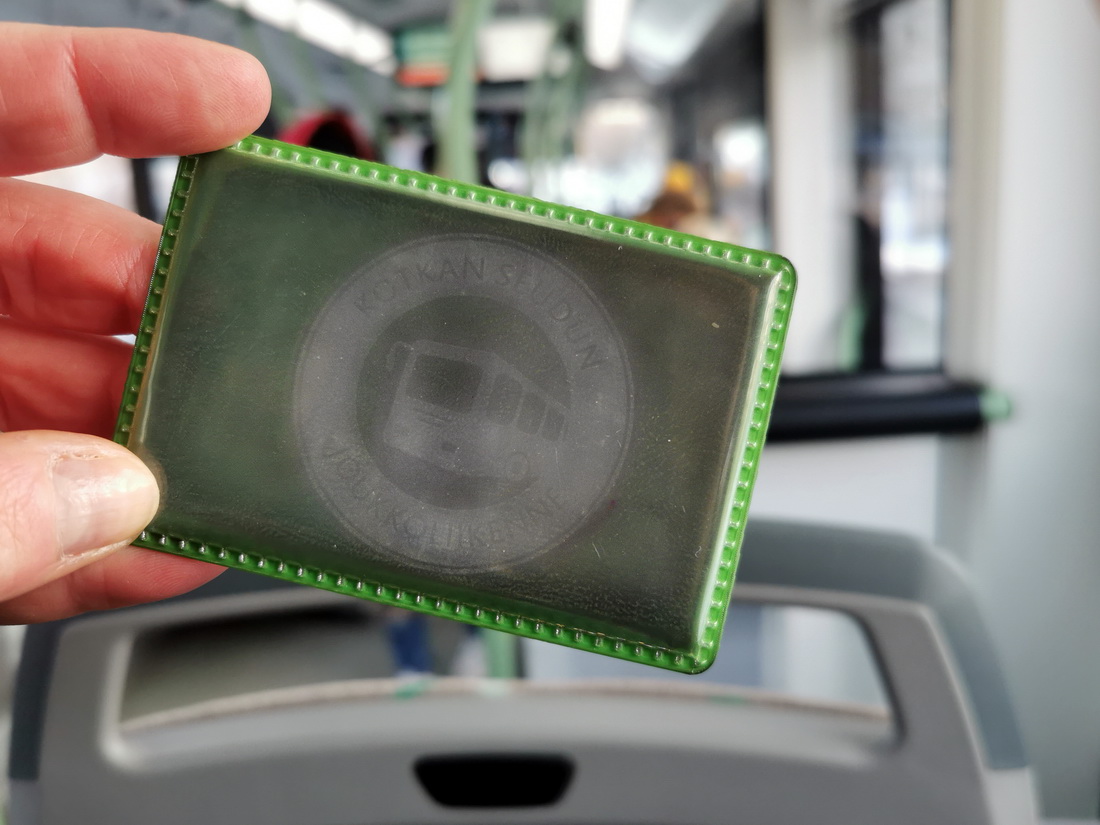
Transit cards often live in reflective cases—a brilliant fusion of payment and visibility.
Walking along a road without one felt oddly… rude. Like I was forcing drivers to guess where I was.
Field Note: Don’t be a ghost. Buy a reflector at the first R-Kioski you see. It’s the cheapest way to look like a local.
3. Tap Water: The Quiet Quality Test
In the supermarket, I stood in front of the bottled water section for five minutes. It was small, dusty, and clearly not a priority for locals. Buying bottled water in Finland feels like failing a quiet local exam.
The water coming out of the tap in Kotka tasted colder and cleaner than anything sold in plastic. Some locals told me they even use hot tap water directly for cooking—a habit that feels illegal in most other countries, but here, it’s just trust in the infrastructure.
Field Note: Bring a reusable bottle. If the building is old, stick to cold water for drinking, just to be safe.
4. Museums: Culture as a Silent Discipline
Finns treat their museums—like the Maritime Centre Vellamo in Kotka—with serious dedication. I arrived for a “free entry” evening ten minutes early, expecting an empty hall. Instead, I found a queue winding out the door.
Inside, the crowd was dense but strangely silent. No shouting, no pushing—just hundreds of people shuffling quietly through the exhibits in heavy winter coats. It was culture consumed with absolute focus.
Field Note: I wrote about Vellamo in detail in my Kotka Summer Guide. The famous parks might be buried under snow right now, but this museum remains the city’s year-round anchor.
5. The Runeberg Torte: Winter Fuel
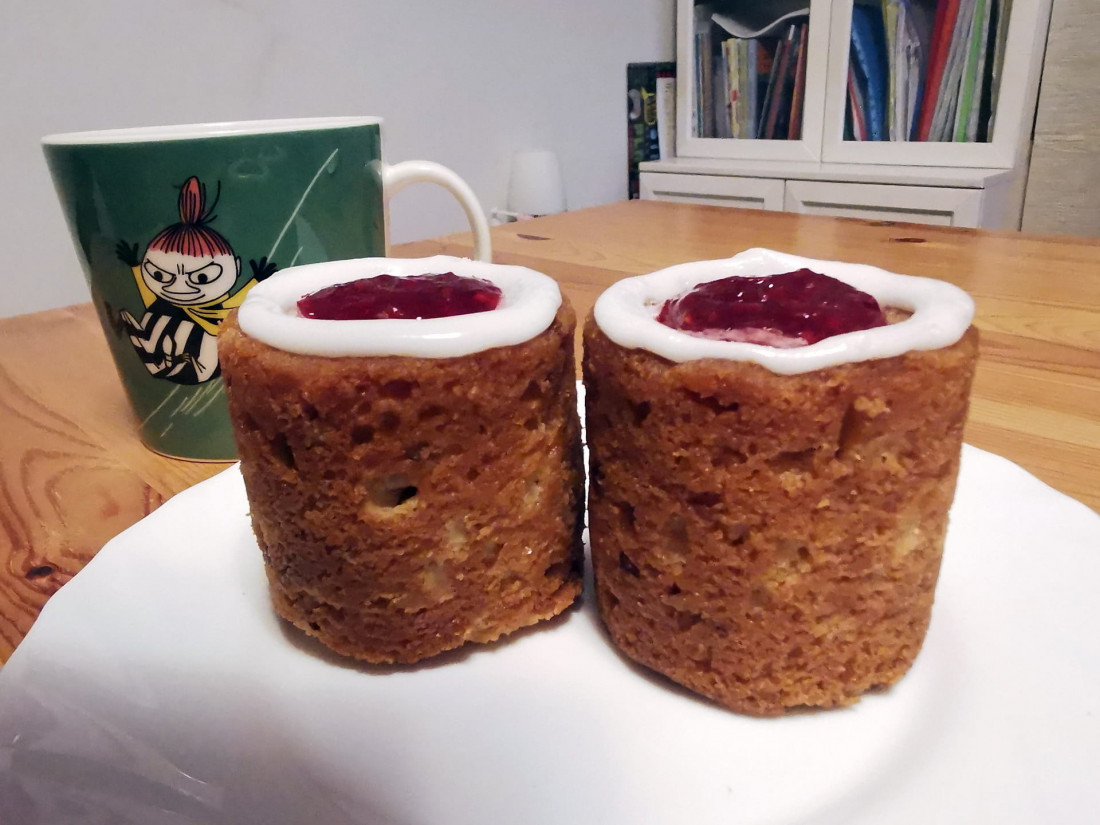
February in Finland is defined by a specific seasonal treat: the Runeberg torte. It is a small cylinder of almond and rum-soaked dough, topped with raspberry jam. During this season, you will find them stacked in every supermarket and many cafés across the country.
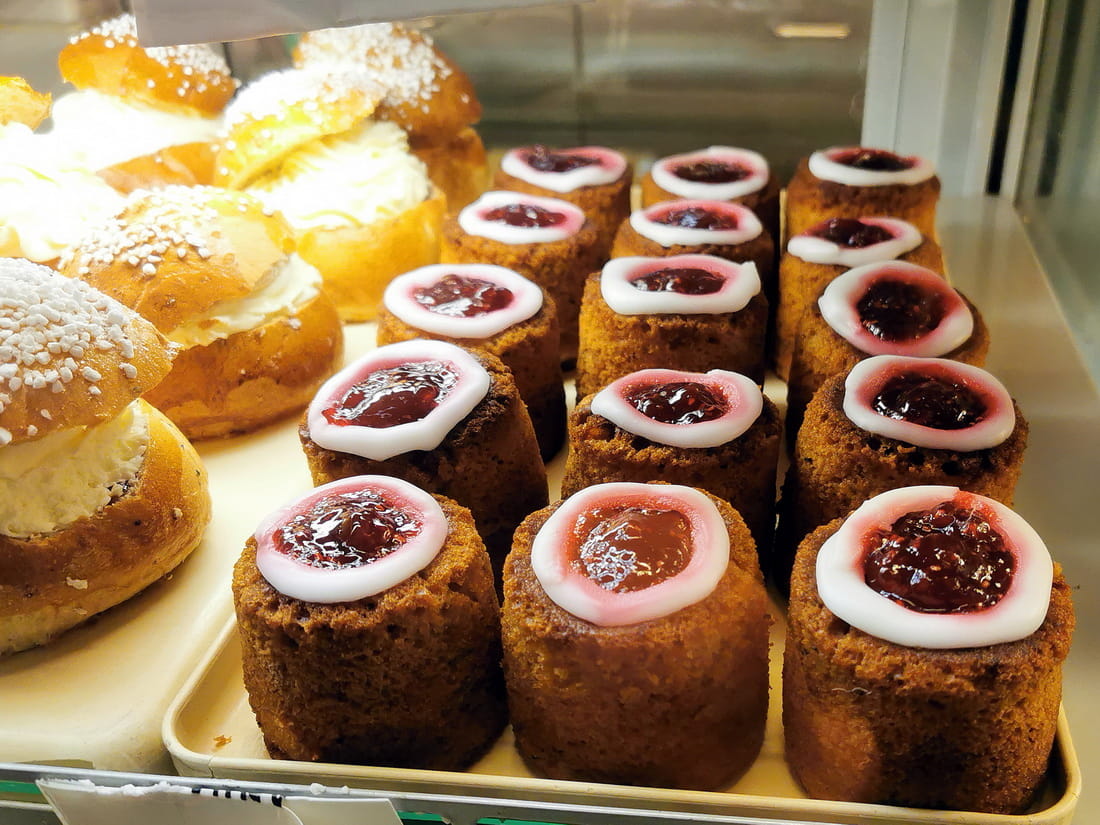
The February dilemma. Bakery shelves are stocked with Runeberg tortes (front) and cream-filled Laskiaispulla buns (left). It is perfectly acceptable to eat both.
It is named after the national poet, J.L. Runeberg, whose birthday is celebrated on February 5th. Legend says his wife, Fredrika, invented the recipe using pantry crumbs and punch to satisfy his sweet tooth.
It is delicious, but dense—one of these contains enough energy to power a cross-country skier for three hours. I ate two and immediately needed a nap.
Field Note: You can find cheap versions in supermarkets, but for the real experience, buy one at a proper bakery. The difference in moisture is huge.
6. The Granite Grit: Walking on Stone
In Central Europe, winter travel means salt and slush. In Finland, it means granite. Since the country sits on a massive bedrock shield, crushed stone isn’t a luxury material here—it is the standard, local solution.
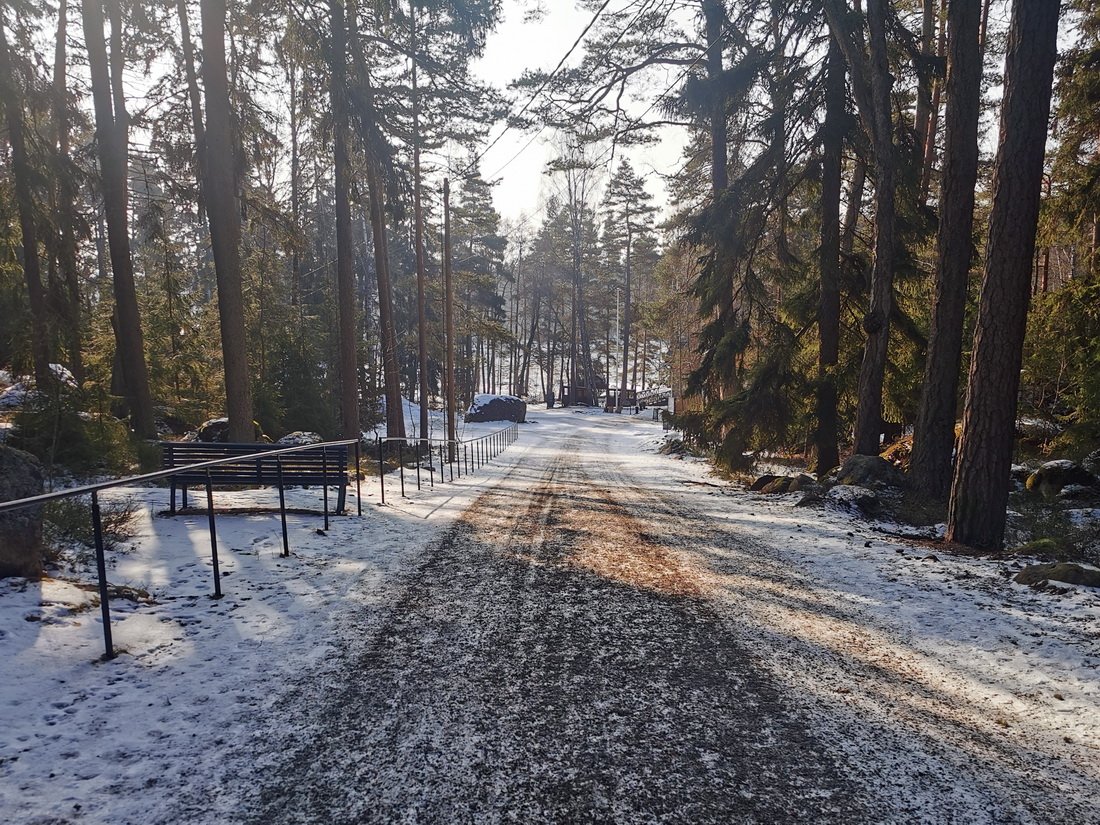
This grit provides perfect traction, but it has one flaw: it migrates. By day three, you will find granite in your boots and your hallway.
The sidewalks are sprinkled with sharp grit that provides traction without chemicals. It’s a brutal, effective system. It doesn’t melt the snow; it simply conquers it. This is why removing shoes at the door is necessary hygiene.
The cycle ends in spring, when massive vacuum trucks sweep the streets to collect the grit—the sound of these machines is the true first sign of the new season.
Field Note: This is the main reason why Finnish apartments have a strict “no shoes” policy. Even a tiny amount of grit can scratch expensive wood floors instantly.
7. Supermarkets: The Human Queue
Finnish supermarkets are temples of automation. The self-checkout machines work flawlessly in English. Yet, I watched locals queue patiently for the single human cashier.
Maybe it’s habit, or maybe, in a digital society, that brief transaction—”Hello, card, receipt, thank you”—is a necessary dose of human contact. I, however, used the machine. It was faster, but lonely.
Field Note: Remember that alcohol sales (above 5.5%) are state-controlled (Alko stores) and close early. In regular supermarkets, you can only buy beer until 21:00.
8. OnniBus: Budget Transport Reality
To move between cities, I took the OnniBus. It is the red double-decker backbone of Finnish budget travel. It is fast, punctual, and impossibly cheap.
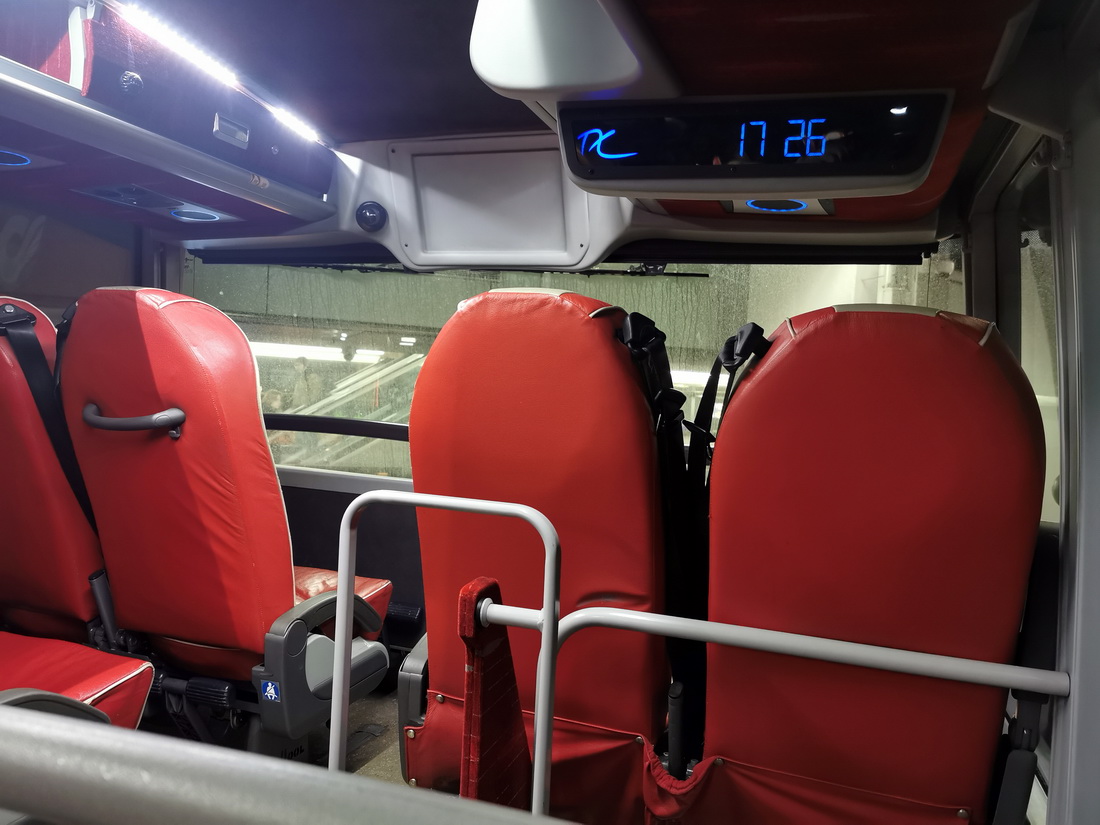
Efficiency over comfort. The OnniBus will get you there on time, but unless you book the front row, your knees might not forgive you.
The trade-off is the geometry. The legroom seems designed for elves. If you are over 180cm, you don’t sit; you fold.
Field Note: I booked via Omio because it let me compare train vs. bus prices instantly. If you choose the bus, pay the extra euros to reserve the front row seats on the upper deck for the legroom.
9. Hobbyhorsing: A Subculture of Precision
I expected to see ice hockey. I didn’t expect to see teenagers in a park, jumping over obstacles with stick horses between their legs. This is Hobbyhorsing, and if you laugh, you haven’t seen the athleticism involved.
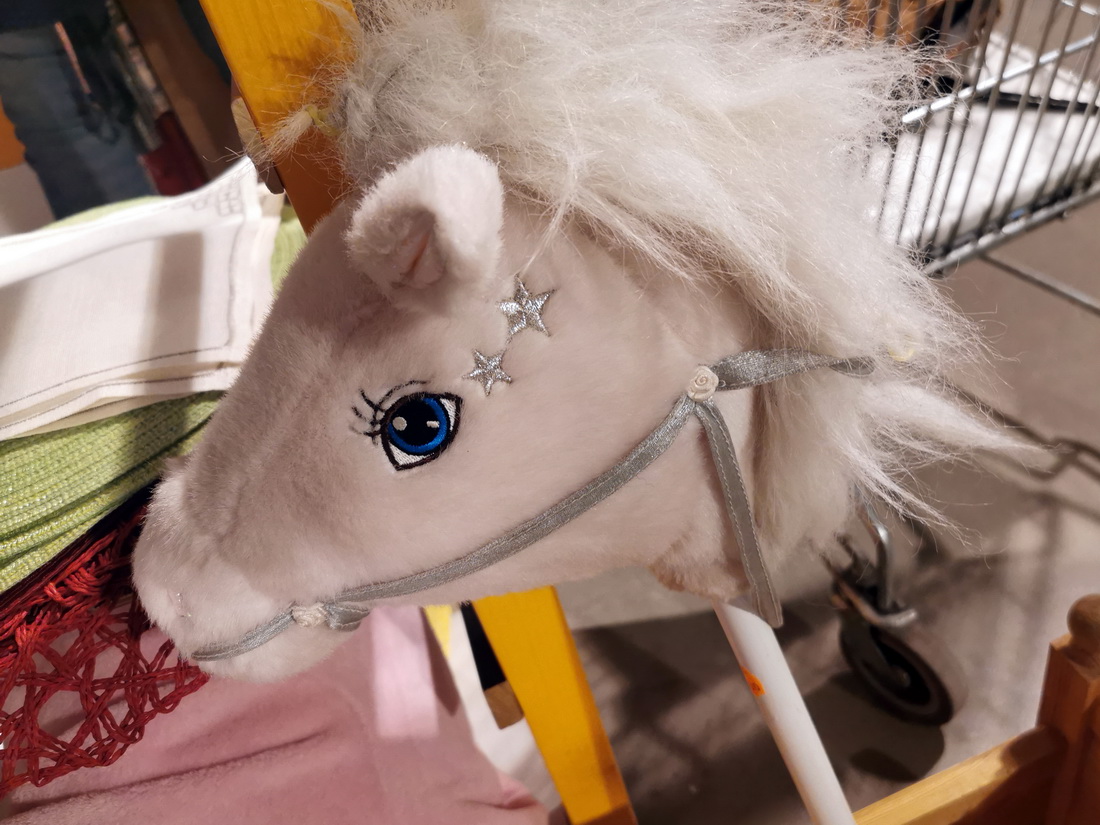
It looks like play, but the training is rigorous. A subculture that demands respect.
This isn’t a fringe activity; it has exploded in popularity here, evolving into a serious sport with thousands of practitioners and annual national championships.
It captures the Finnish mindset well: they don’t care if it looks silly to outsiders, as long as the execution is precise.
Field Note: You might see them training in public parks. Feel free to watch, but don’t treat it as a comedy show—they take their training sessions seriously.
10. The Terrace Culture (Subzero Edition)
Walking past a café at -5°C, I saw people sitting outside. They weren’t smoking; they were just… drinking coffee.
In most places, “terrace weather” starts at 15°C. In Finland, it’s a state of mind.
Wrapped in blankets, with steam rising from their cups, these locals weren’t enduring the cold; they were consuming it. It was the ultimate flex of Nordic resilience.
Field Note: Look for the pile of sheepskins or fleece blankets usually kept on the chairs. You are supposed to use them; sitting on a cold chair without one is a rookie mistake.
11. Ice Swimming: The Logic of Shock
The final piece of the puzzle is the avanto—the hole in the ice. Seeing someone calmly descend a ladder into black, freezing water explains everything else about this country.
The granite grit, the heavy pastries, the silent queues—it’s all about conserving energy. But the ice dip is where they spend it. It is a controlled shock to the system that makes the warm, organized life on land feel even better.
Field Note: If you plan to try this, check your travel insurance policy. Many standard plans exclude “winter activities” by default.
Travel Notes
Finland Winter: The Logistics
The Verdict: Finland doesn’t try to charm you with warmth; it impresses you with functionality. It is a society built by people who looked at a frozen, dark landscape and decided to build a high-tech civilization on top of it. It is gritty, efficient, and quietly welcoming—just don’t forget your reflector.
If you are planning a slow winter week in Finland, start here. This guide covers the basics, but for a specific itinerary, check out my Things to Do in Kotka.

