










I spent three weeks in the Åland archipelago, living the slow, logistical reality of island life. It is a geopolitical oddity in the middle of the Baltic Sea where people speak Swedish, pay in Euros, and treat ferry schedules like religious texts.
The rules here aren’t in a manual; they are dictated by the Baltic and the ferry clock. It’s a place that remains indifferent to your presence. If you’re coming here, don’t expect a standard vacation. Expect a series of logistical puzzles.
If you are planning a trip, read my detailed logistical notes first. But if you want to know what it’s like to actually exist there, here are 10 surprising things I discovered.
1. The “Hardened” Locals
People here are built differently. While tourists wrap themselves in windbreakers, locals start their swimming season in May and continue until October — regardless of the temperature.

Raindrops on the table, but the Fika continues. In Åland, you don’t wait for the sun to enjoy your coffee; you just wear a better jacket.
In Åland, weather is just a state of mind. Pack layers, not umbrellas. Here, you adapt or you get cold. It’s that simple. People don’t talk about resilience—they just don’t have the luxury of acting like the weather is an inconvenience.
2. The “Falu Red” Esthetic
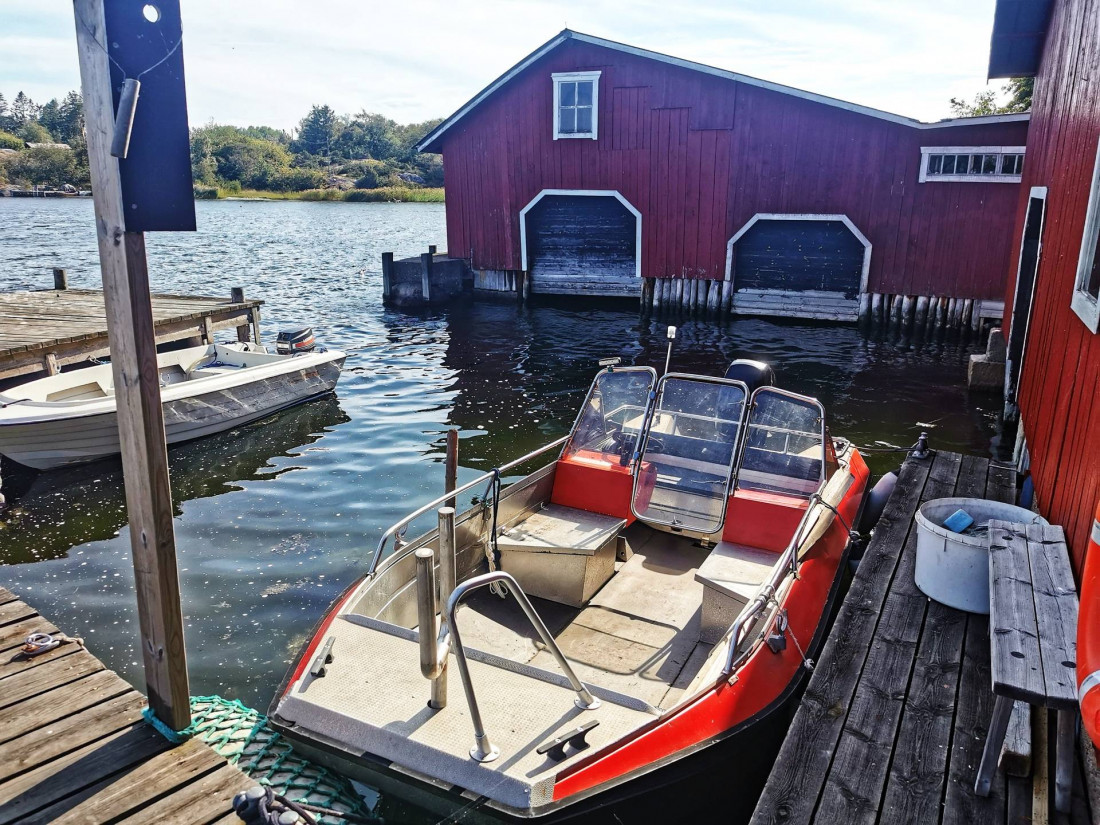
Almost every wooden house is painted the same deep matte red.
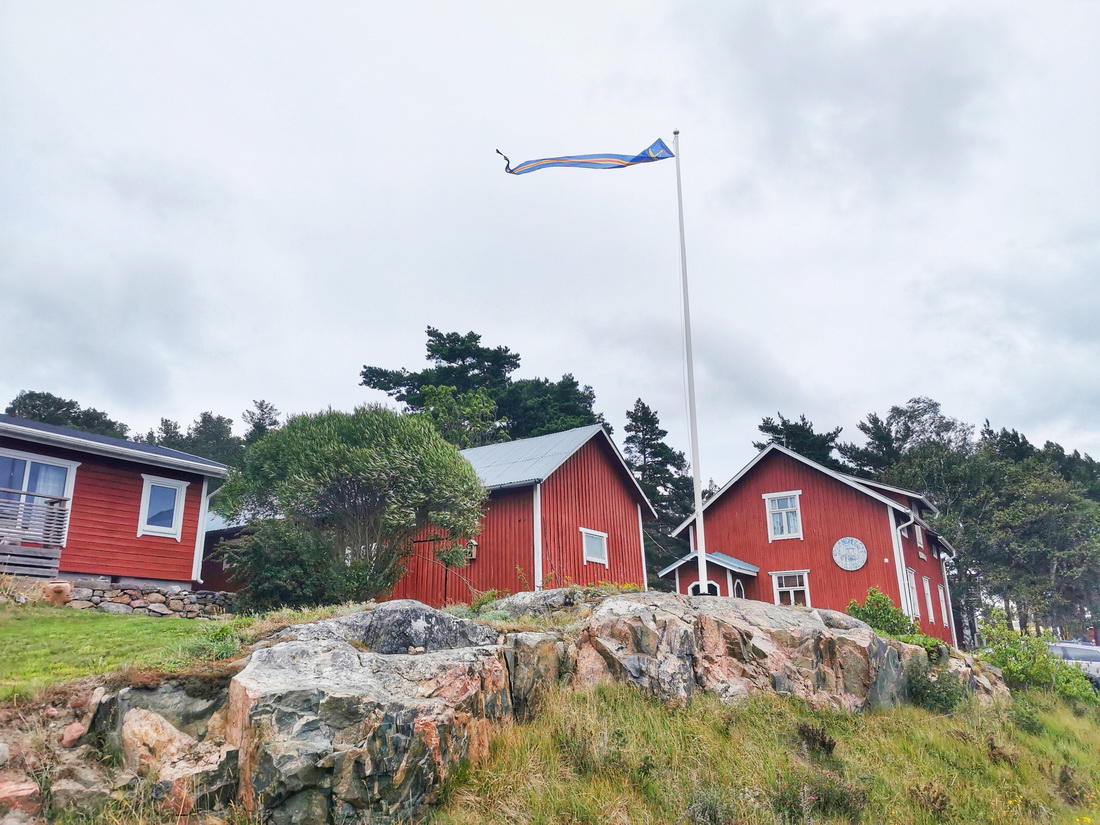
Everything is Falu red. Houses, boathouses, sheds. It’s a recurring pattern that makes giving directions here a peculiar kind of nightmare: ‘Turn left at the red house’ works for absolutely no one.
3. Are the Åland Islands Expensive?
Prepare for a reality check at the checkout counter. Grocery prices are noticeably higher than on the Finnish mainland. Dining out follows the same pattern. Logistics are the culprit — everything has to be shipped in.
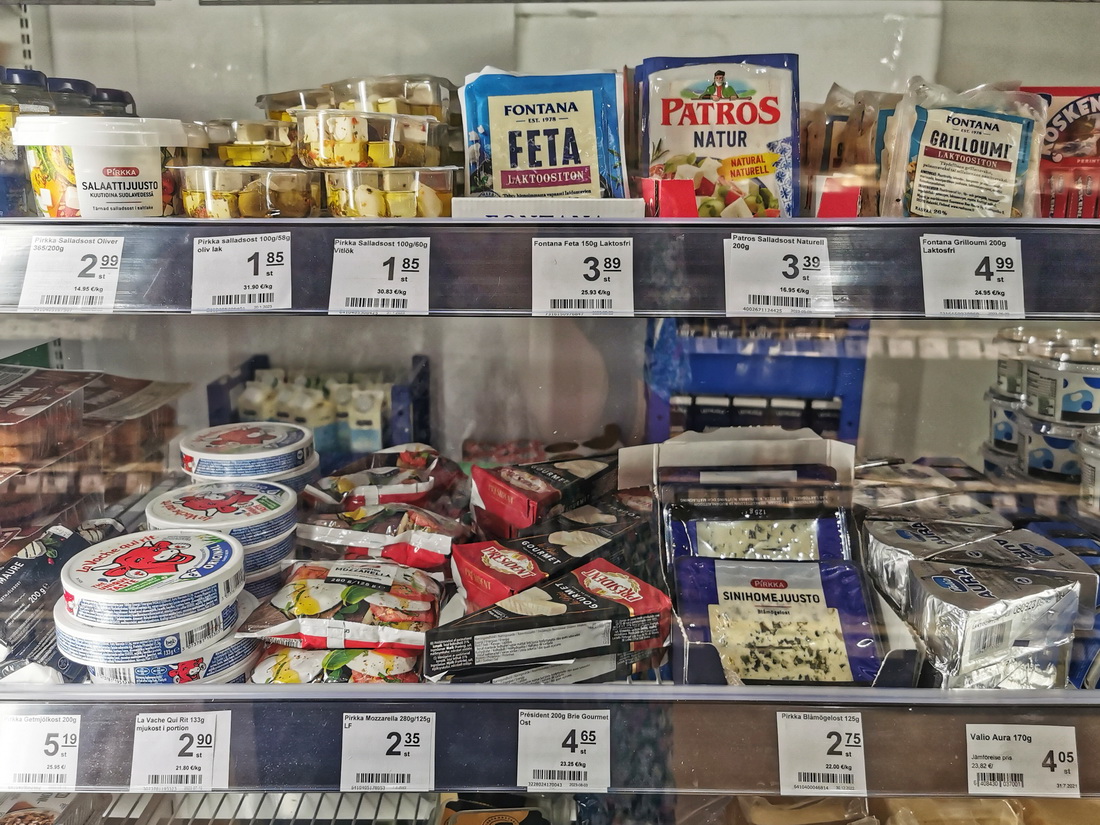
The “Island tax” is real. Grocery prices are about 20% higher due to logistics.
The math is brutal. Restaurants are scarce and priced to match the logistics. If you rent a cottage with a kitchen and cook your own meals, you won’t go broke. If you don’t—expect to pay a premium for every calorie.
4. Island Solidarity
I’m generally cautious about hitchhiking, but Åland feels like a village spread across the sea. Locals stopped to offer me a ride without me even raising a thumb — especially when it rained. It’s not just friendliness; it’s island solidarity. Everyone knows that if you miss the bus here, you might be stuck for four hours.
Keep in mind: this solidarity has a cutoff point. Locals will stop to save you from a downpour, but don’t expect them to fix your lack of planning. If you miss the ferry, you’re on your own. This is a system that works, provided you respect its rhythm.
5. The Constant Wind
The breeze isn’t occasional; it’s structural. In three weeks, I experienced maybe half a day of total calm.
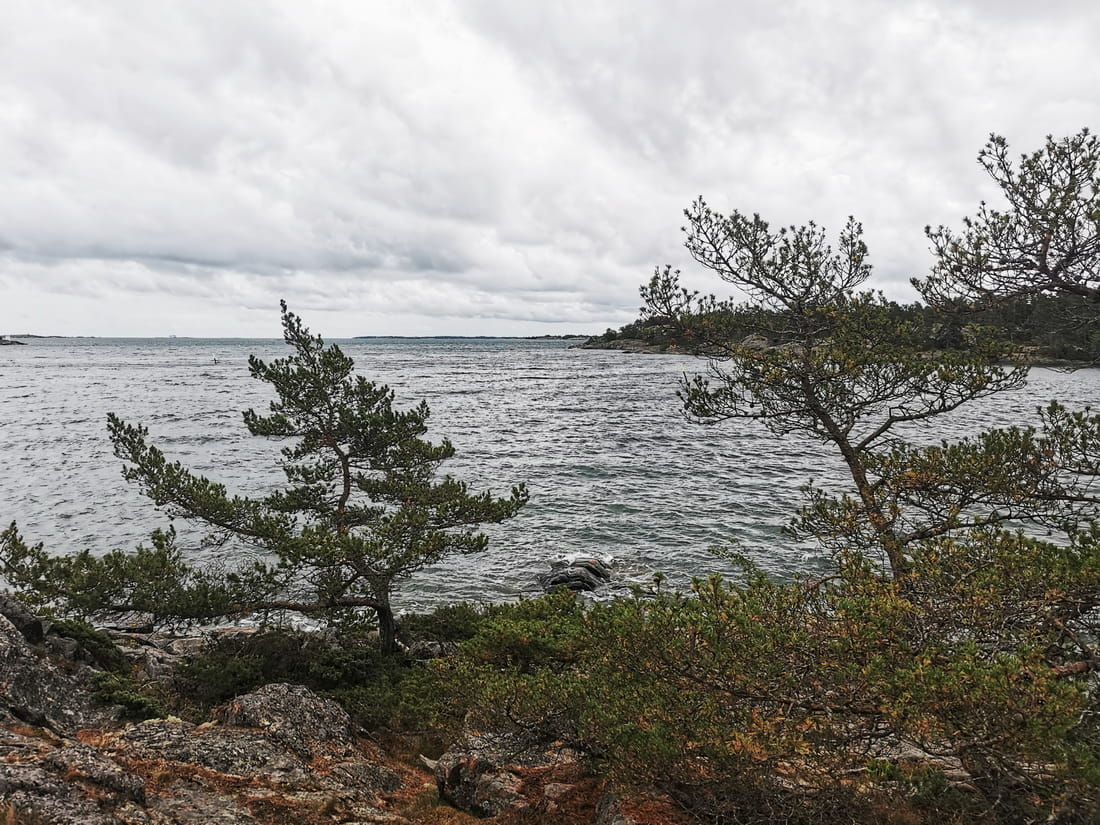
The architecture of wind. The pines here grow leaning away from the sea—visible proof of the breeze that keeps the archipelago mosquito-free.
But here is the logistical upside: wind kills mosquitoes. As long as the Baltic breeze is blowing, the pests vanish. It’s the most effective natural repellent I’ve ever seen.
And be prepared for the boredom. After the initial charm of the granite rocks fades, you are left with an intense, hollow silence. It can feel oppressive by day four. If you need constant stimulation, this place will feel like a long wait.
6. Ferries are Free (For Pedestrians)
This is the biggest budget hack for the archipelago. The extensive network of inter-island ferries is completely free for foot passengers.
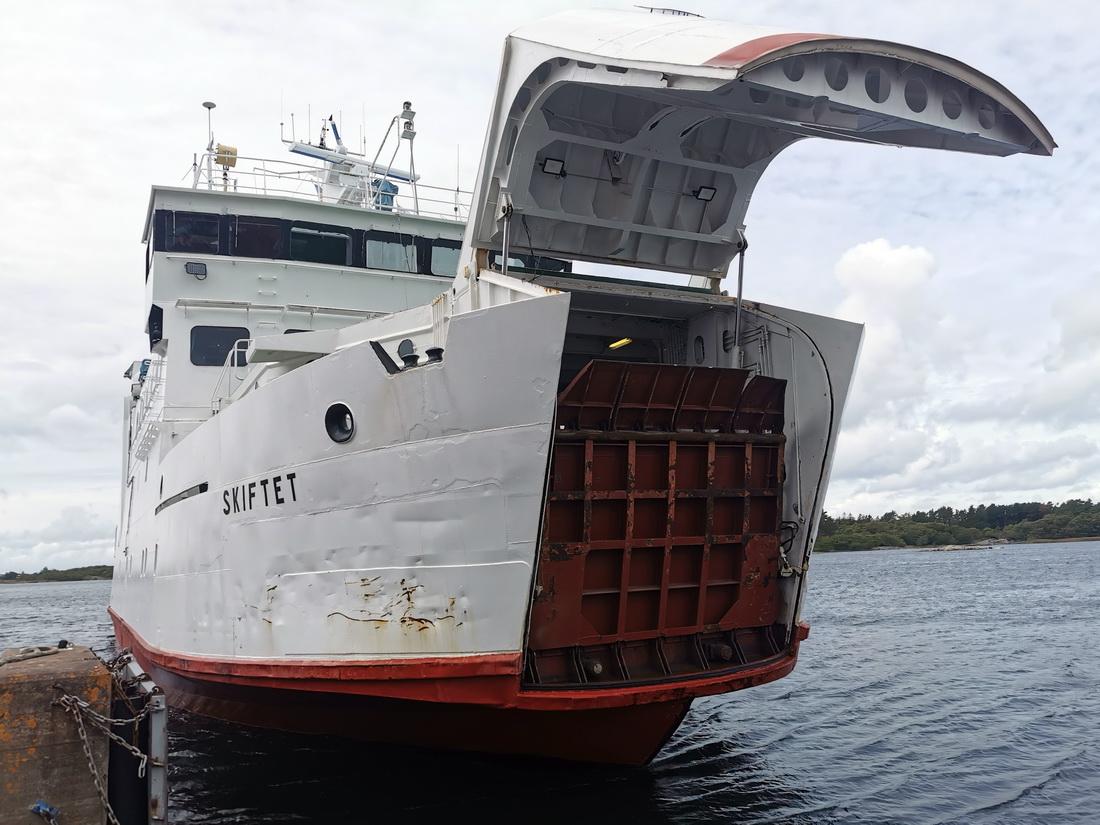
Heavy infrastructure, zero cost. The M/S Skiftet docking to pick up pedestrians — proof that public transport can be both impressive and free.
You can travel from the main island to the remotest outposts without spending a cent, as long as you leave your car behind.
7. The Daily Commute by Boat
On the mainland, you check traffic; here, you check the wind and the ferry app. “Commuting” might mean hopping on a boat to visit a doctor, buy hardware, or see friends.
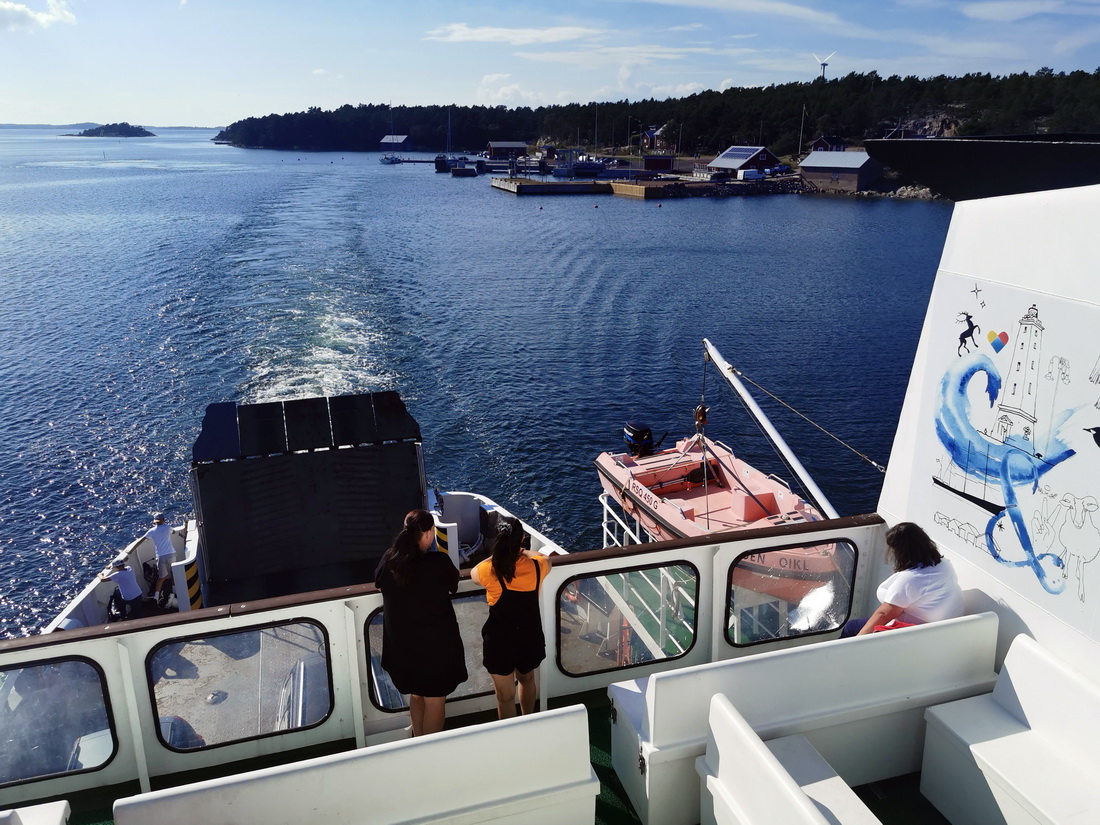
Rush hour, Åland style: you check the wind, you check the ferry app, you show up at the pier. It feels less like a commute and more like a gamble with the weather.
8. Wildlife is Everywhere
Nature has no boundaries. A family of hares lived ten meters from my porch, and I saw roe deer regularly. But watch your step. You will see vipers sunbathing on warm granite rocks. Locals simply stomp their feet to warn them off.
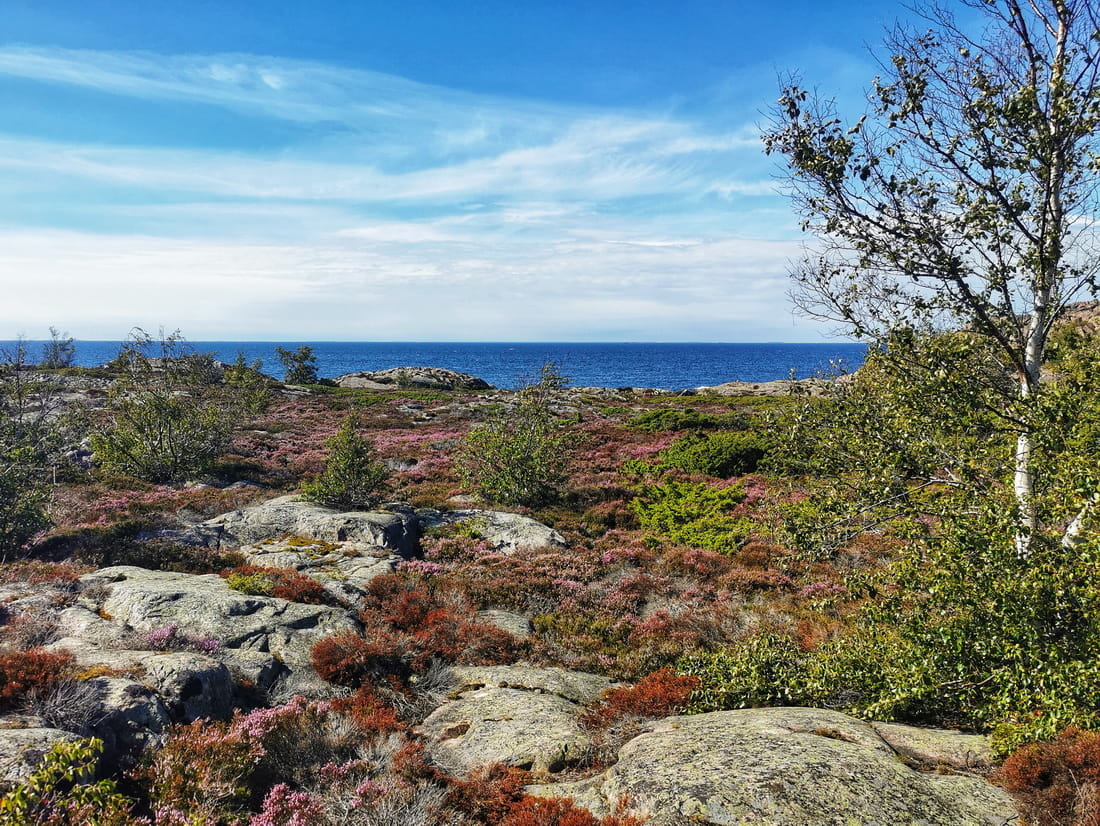
The deceptive beauty of the archipelago. This blooming heather is stunning, but it’s also prime territory for ticks. Admire it from the bare rocks.
The real danger? Ticks. Stay on the paths and check yourself daily.
9. A Separate Post Office (and Identity)
Åland has its own flag, parliament, and stamps. For postcrossers, it’s a paradise. I bought a stamp featuring a large, classic red boathouse and posted a photo of it. Almost immediately, my landlady commented: “That’s my father’s boathouse!”
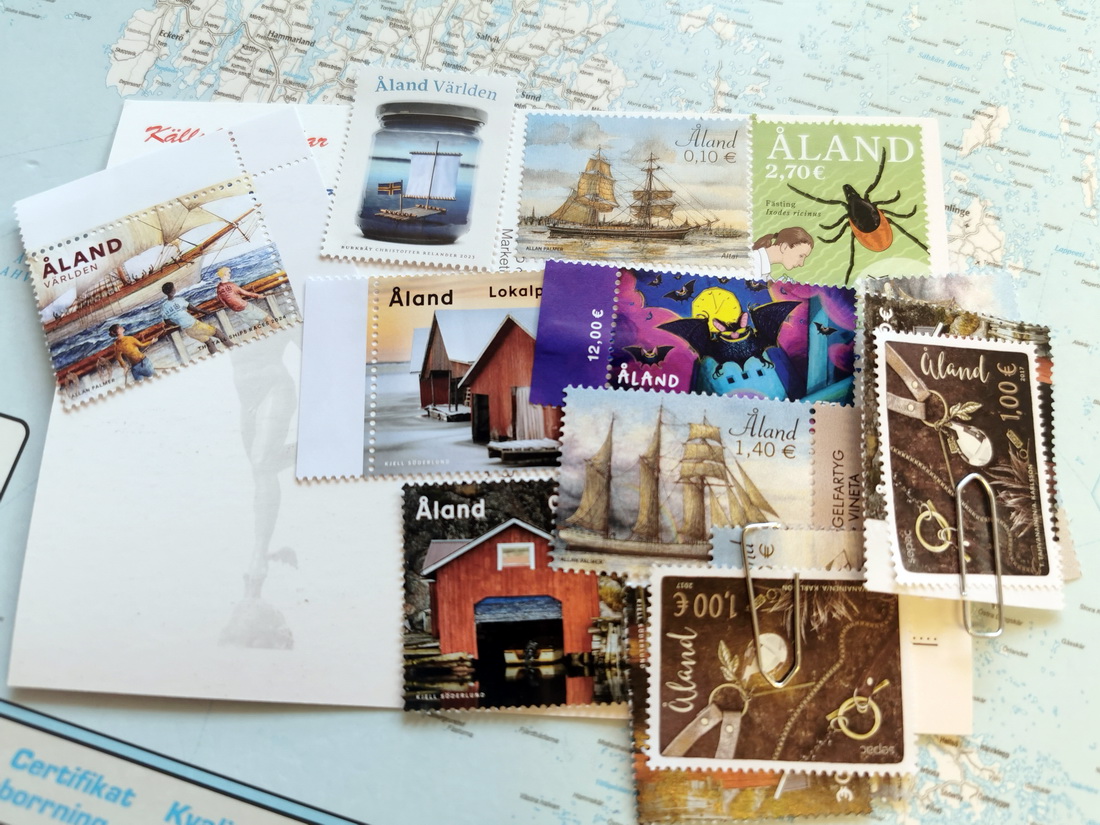
Look closely: The stamp at the bottom left shows the boathouse from my story. Top right? A tick. Yes, they even put the local parasites on their stamps.
10. The Silence
If you’re looking for a buzz, skip the archipelago. Åland’s silence isn’t just quiet; it’s heavy. It’s the sound of wind in the pines and nothing else.
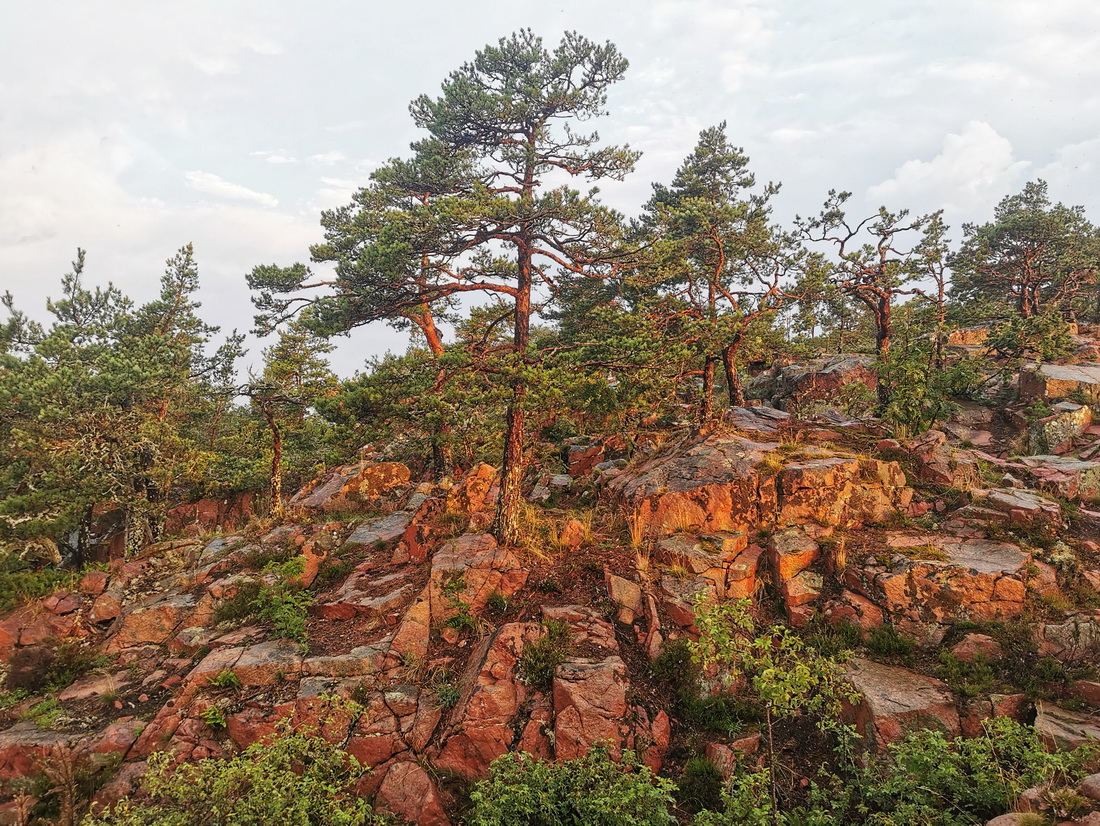
The sound of Åland: wind in the pines and waves against the granite. A place for profound contemplation.
Mark Your Landing Spot: Staying in Åland or Moving On?
Getting around the Åland archipelago depends less on distance and more on ferry schedules. If you are visiting the Åland Islands, remember that costs rise quickly if you rely on restaurants, but drop sharply once you adapt to self-catering.
This is a place that rewards planning more than spontaneity. If you are looking for a community that functions only when the sea is the road, you’ve found it.

