
















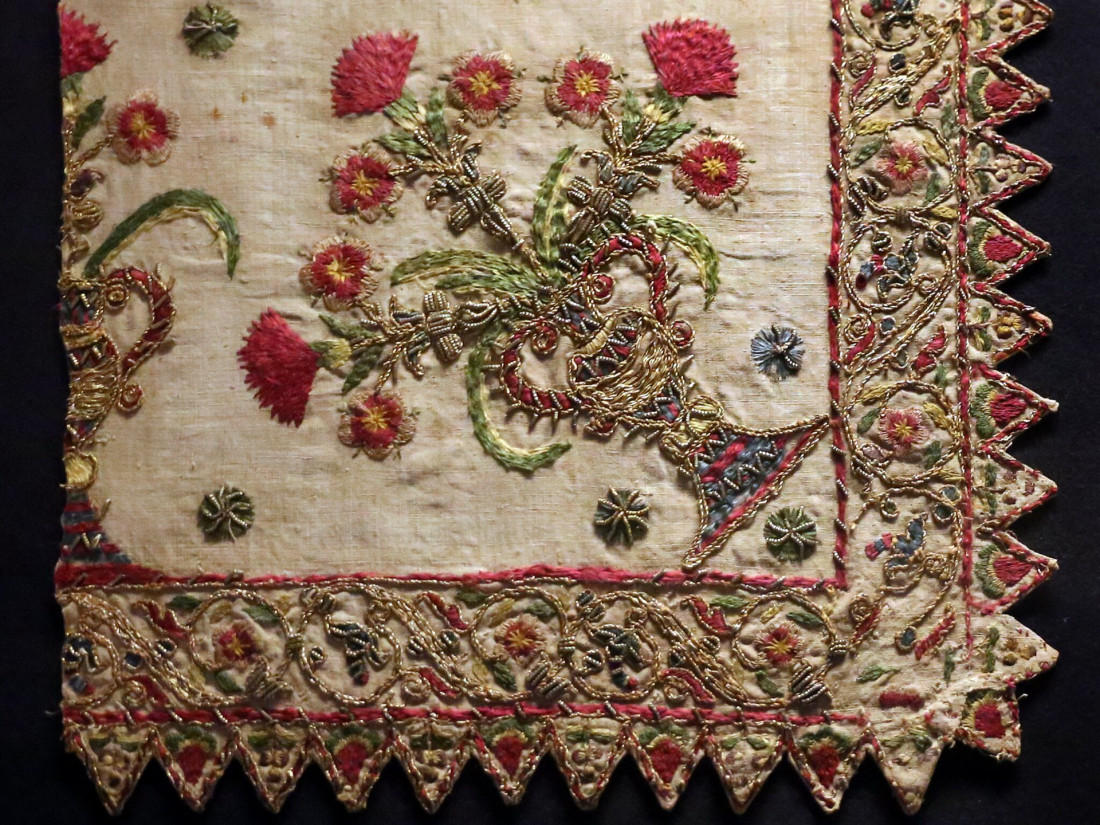
Welcome to Prato, the industrial engine room of Tuscany. Here, inside a 19th-century factory that smells faintly of old machinery and new ideas, lies the Museo del Tessuto.
Let’s be honest: “Textile Museum” does not sound like a thrill. It sounds dry. It sounds dusty.
But this place is a beautiful contradiction. It is a space where the history of fashion meets the grit of the industrial revolution, and it is arguably the most underrated detour in Tuscany.
I went expecting a quiet afternoon looking at old tablecloths. I found a velvet cape that looked like it belonged to a Renaissance vampire and a history so tactile you could almost feel it.
Here is why you should trade a day at the Uffizi for a day at the factory.
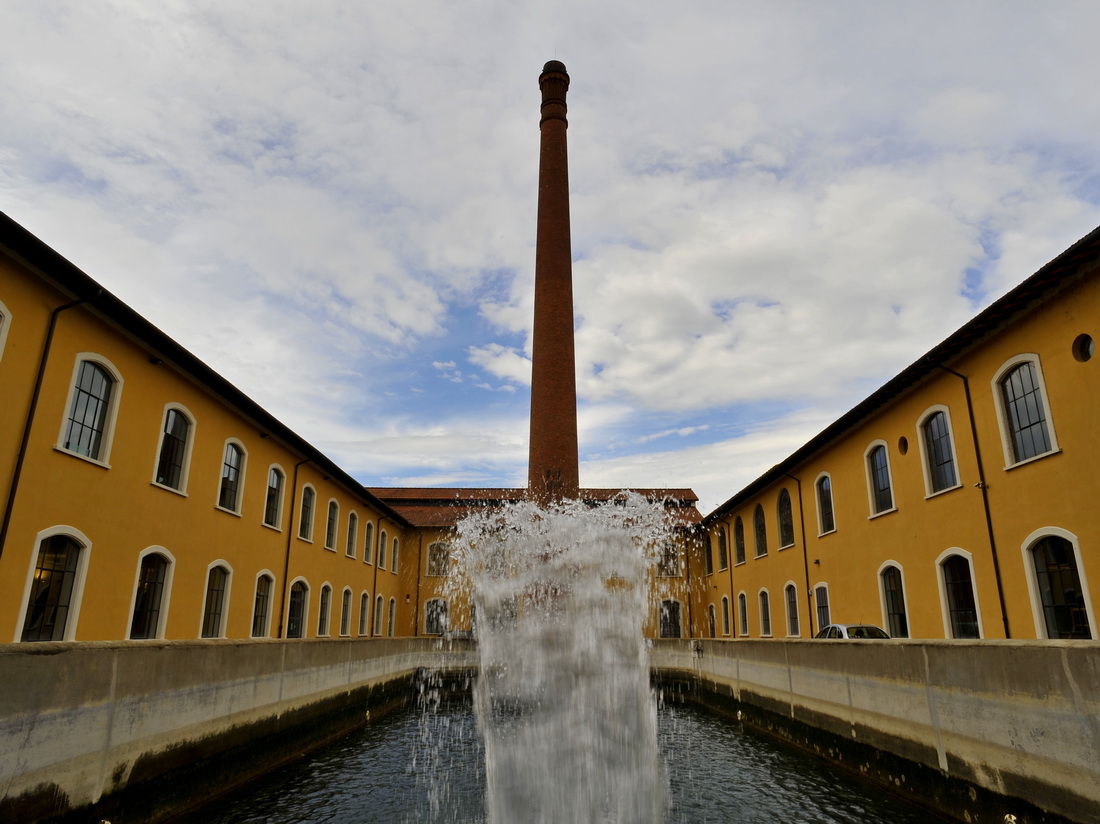
The Industrial Cathedral. While Florence obsesses over the past, this former factory feels strangely alive. It’s peaceful, vast, and refreshingly empty of tour groups.
The Fabric of Time
The venue itself is the first exhibit. The museum inhabits the former Cimatoria Campolmi, a jewel of industrial archaeology. This site has been producing fabric since 1326.
Unlike the sterile glass boxes of modern museums, this building has scars. You walk past massive, dormant boilers and ancient looms that look like torture devices but created the most delicate lace imaginable.
The collection covers a thousand years of textile history, revealing the other half of Italy’s wardrobe. While the north is famous for the shimmering silk of Lake Como, Prato is the gritty, hardworking capital of wool.
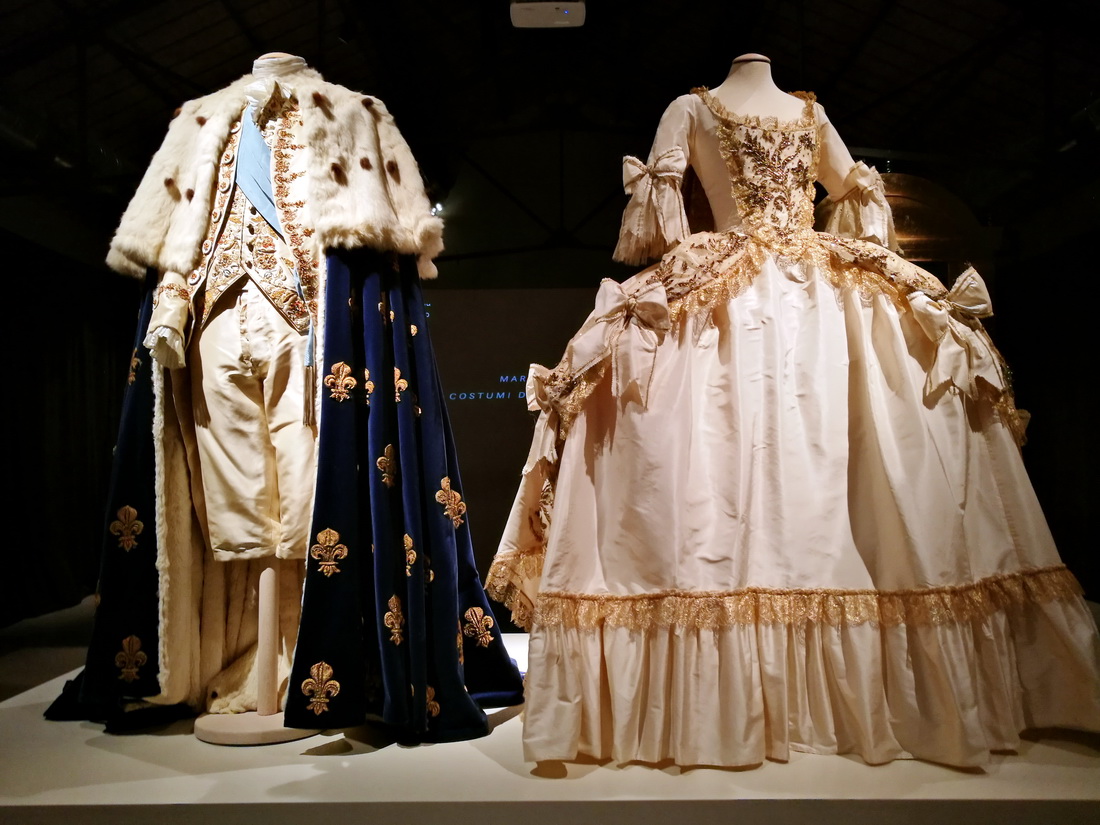
Opulent designs fit for royalty. How many hands and hours went into crafting this masterpiece? Standing this close, you realize fashion used to be architecture made of thread.
You will see the contrast that defines Italy. On one wall, Perugia-style linens—crisp white-and-blue striped cloths that once hung in silent convents. On the next, a 16th-century gown glittering with gold thread, screaming of courtly vanity and power.
It captures the intimacy of history. This goes beyond mere “fashion.” The display features gloves no bigger than your palm, stitched so finely they might vanish in sunlight. These are artefacts that were worn, mended, sweated in, and loved.
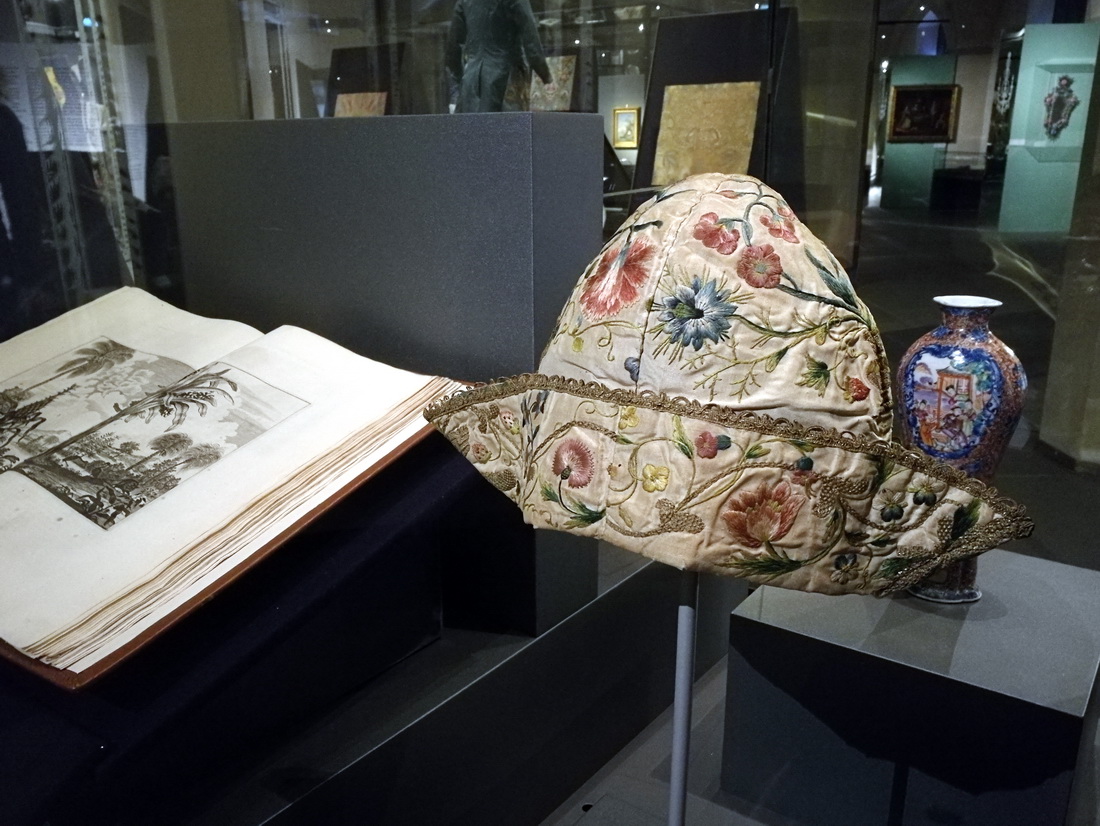
Artistry in every stitch. These aren’t just accessories; they are survival mechanisms of style from an era before fast fashion existed.
The Library Trick
Finding the Prato Textile Museum is the first test of your observational skills.
Google Maps might lead you to a wall, but the secret is to look for books, not fabric.
The museum is tucked inside the Lazzerini Library. To enter, you walk through a courtyard filled with lounging students and a café housed inside a vintage bus. It feels less like a tourist attraction and more like a secret local hangout.
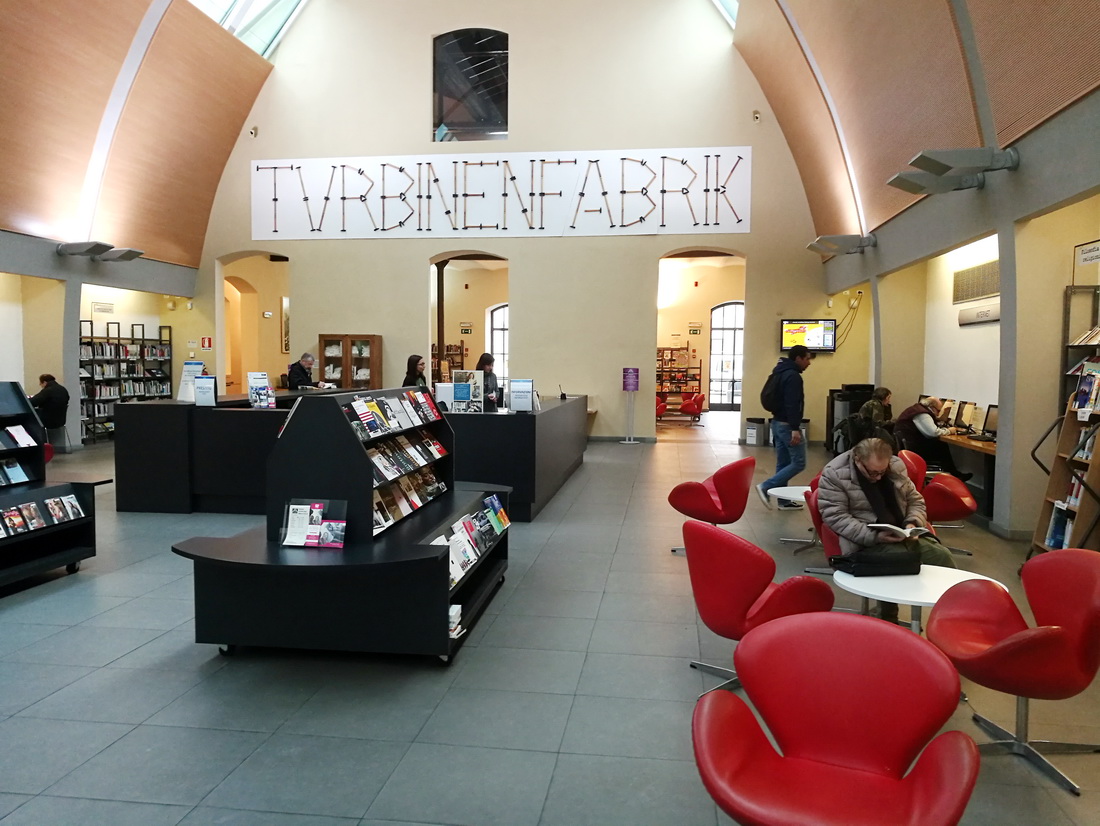
The Hidden Door. Entry is through the library courtyard. Don’t let the books distract you too long—the treasure is in the back.
Beyond the Loom: The Industrial Palate
Exploring a factory builds an appetite. Prato is famous for its cantucci (almond biscuits), but the city’s industrial soul has also given birth to a thriving modern craft scene.
Since you are already exploring the theme of local craftsmanship, skip the touristy pizzerias and dive into the local brewing culture.
For a perfect end to the day, you can book a Guided tour of the La Foresta craft brewery with tasting. It captures the same spirit as the museum: raw ingredients turned into art by skilled hands. It is authentic, unpretentious, and a very “Prato” thing to do.
Travel Notes
Prato Textile Museum Toolkit
The Verdict. Is the Prato Textile Museum worth the train ride? If you have just battled the crowds at the Ponte Vecchio, Prato is a remedy.
It is niche, yes. But it is surprisingly delightful. It offers a quieter, slower, and wonderfully textured perspective on Italian history that you simply cannot find in the main guidebooks.

