















Colmar often feels like a stage set—a town constructed of timber, flowers, and festive cheer. It’s perfect for a day trip, especially if you base yourself in the more logically connected Strasbourg (I explain why in my guide on Choosing Your Operating Zone). But stepping into the Toy Museum (Musée du Jouet), the fairytale shifts into something more mechanical, almost sober.
Not Dolls, but Movement
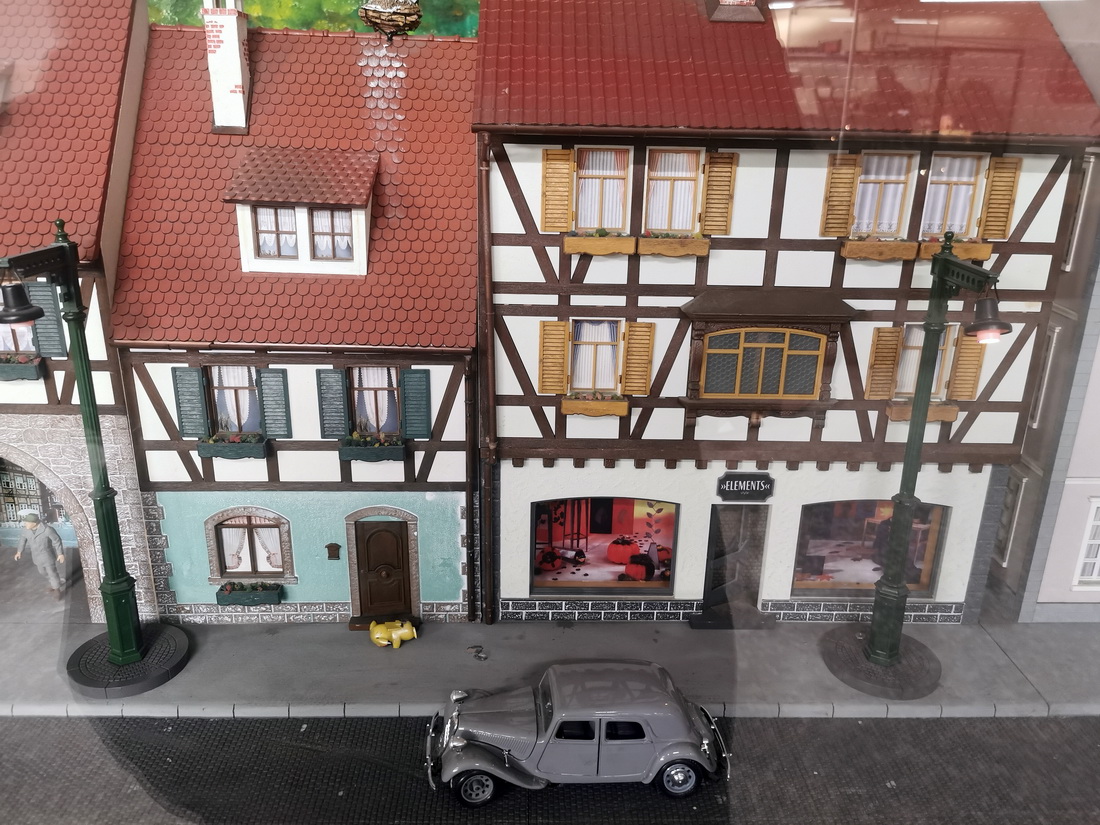
The first thing you notice is the intent. The toys here don’t invent fantasy — they shrink the adult world down to scale.
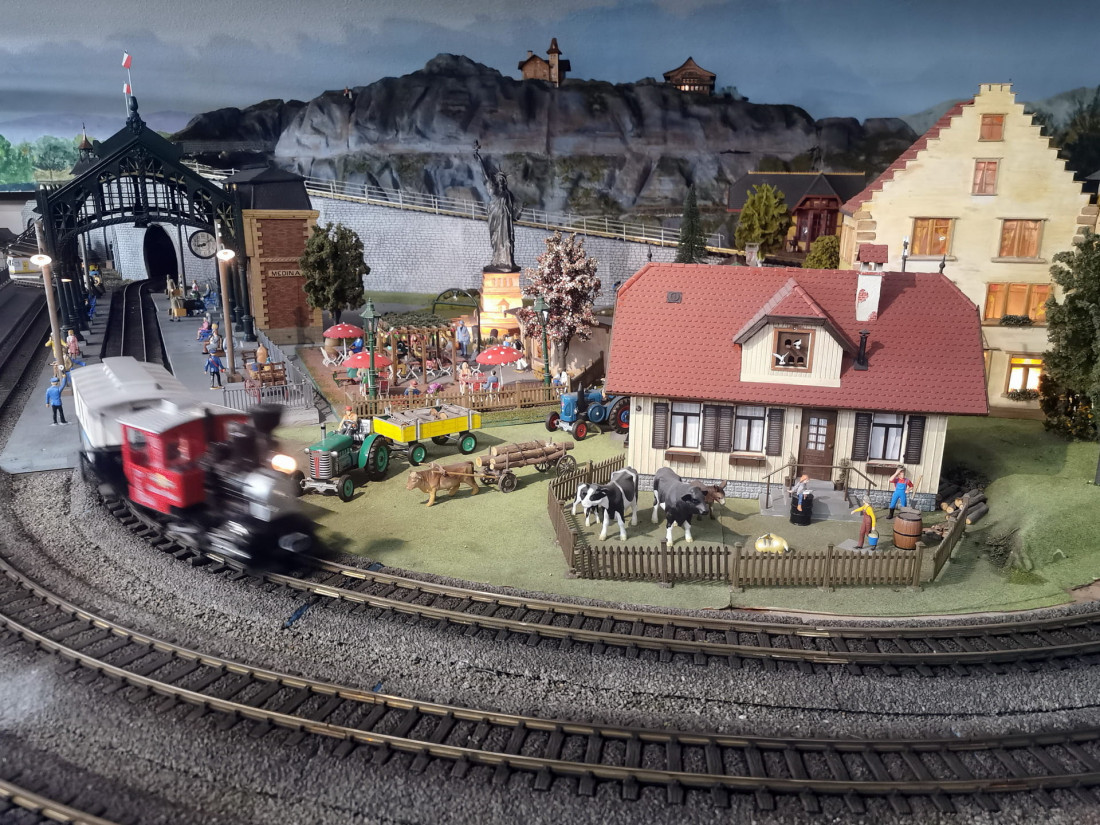
While the ground floor caters to children with interactive noise, the upper levels demand a different kind of attention. Here, the dominant presence is movement: model railways with wagons endlessly circling their tracks, miniature streets, small cars, and mechanical details that invite “slow looking” rather than instant delight.
These are not toys meant to be hugged. They are toys meant to be watched. Patterns. Routes. You stand there longer than you expect, following tiny journeys that never quite end. The exhibits feel less like entertainment and more like diagrams — small, ordered worlds built to function smoothly.
How Adults Once Imagined Childhood
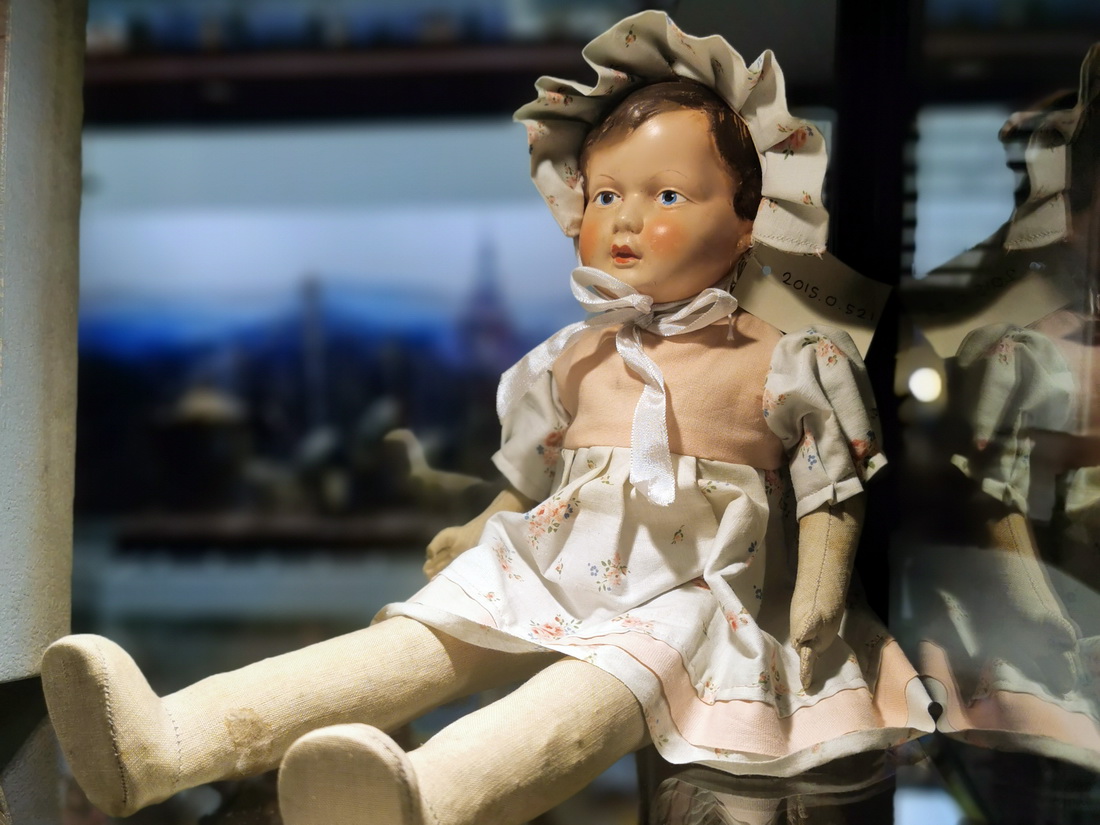
One of the few dolls in the collection feels like an outlier — more an object of observation than nostalgia.
That choice matters. The scarcity of dolls and the prominence of trains, streets, and machines subtly shift the narrative. These toys rehearse roles: movement, control, systems, schedules. Play here begins to look suspiciously like preparation.
Seen against the backdrop of Colmar itself, the contrast sharpens. Outside, everything leans toward softness and visual comfort. Inside the museum, the tone is calmer, stricter. Less “look how sweet this is,” and more “this is how the world works.”
A Different Kind of Pause
This feeling stayed with me. Later, in Basel, I passed a shop window advertising a toy museum that looked unapologetically cute — exactly as one might expect. I never went in. Perhaps because, by then, the Colmar museum had already done something more interesting: it disrupted expectation without drawing attention to the disruption itself.
Leaving the museum, I stepped back into the bear-filled, decorated streets of the town centre. The transition was almost comic. Yet the museum lingered as a pause — not a highlight, not a “must-see,” but a small corrective. A reminder that toys are not only about delight or nostalgia. They are also about order, repetition, and the adult ideas quietly embedded in play.
It wasn’t a place I felt the urge to return to. But it was a place that made the rest of Colmar look slightly different — and that, in the end, felt like enough.
Travel Notes

