














Rome is not designed for efficiency. It is a city of layers, where a single street corner can hold a pagan temple, a Renaissance palace, and a 19th-century apartment block. To attempt seeing it in seven hours feels like trying to read “The Lord of the Rings” during a lunch break.
Yet, coming from Ferrara for a day trip, I discovered that the “impossible sprint” has its own logic. Rome in one day is not about checking boxes; it is about the discipline of missing out.
I arrived with a naive itinerary and left with sore feet, a stolen box of band-aids, and a realisation: even a demo version of the Eternal City is better than a week anywhere else.
The Discipline of Missing Out
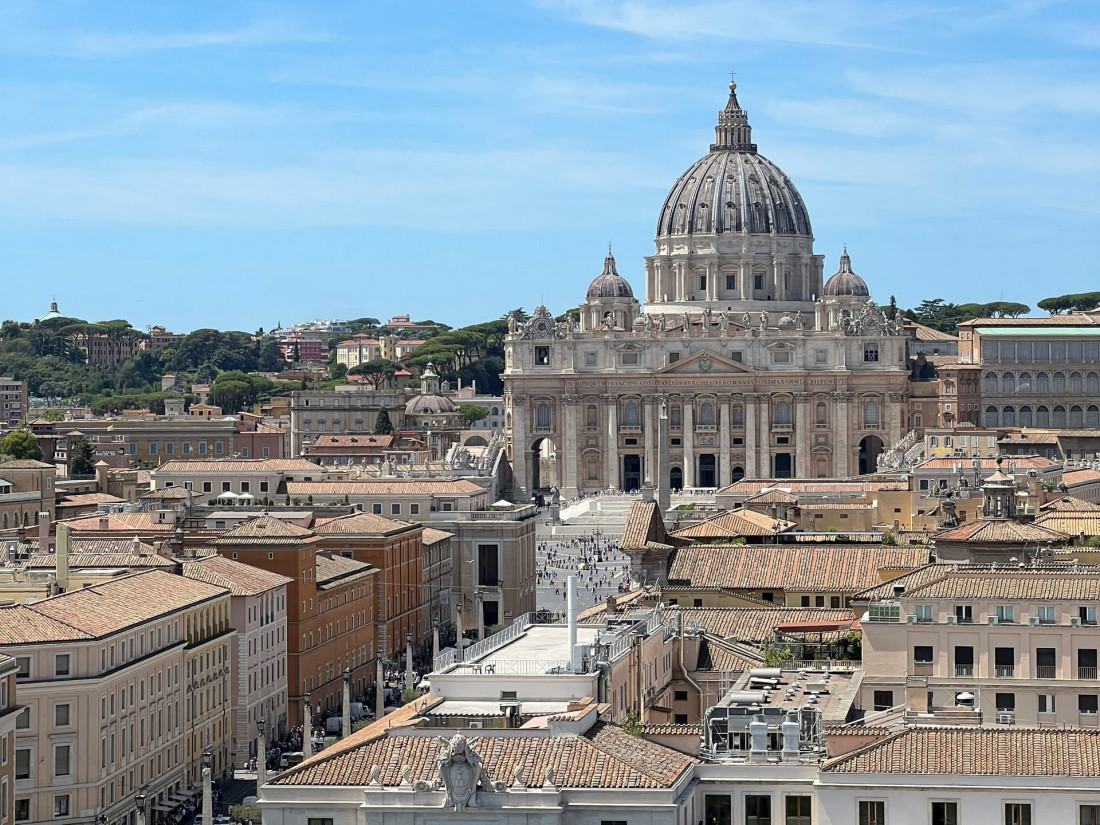
My original plan was a military operation: Vatican, Castel Sant’Angelo, Piazza Navona, Pantheon, Trevi, Colosseum. On paper, it was a straight line. In reality, it was a fantasy.
Rome fights against schedules. I spent an hour just standing in St. Peter’s Square, paralysed by the sheer volume of stone and history.
I realized quickly that standing in the massive security line just to enter the Basilica would be a crime against my limited time.
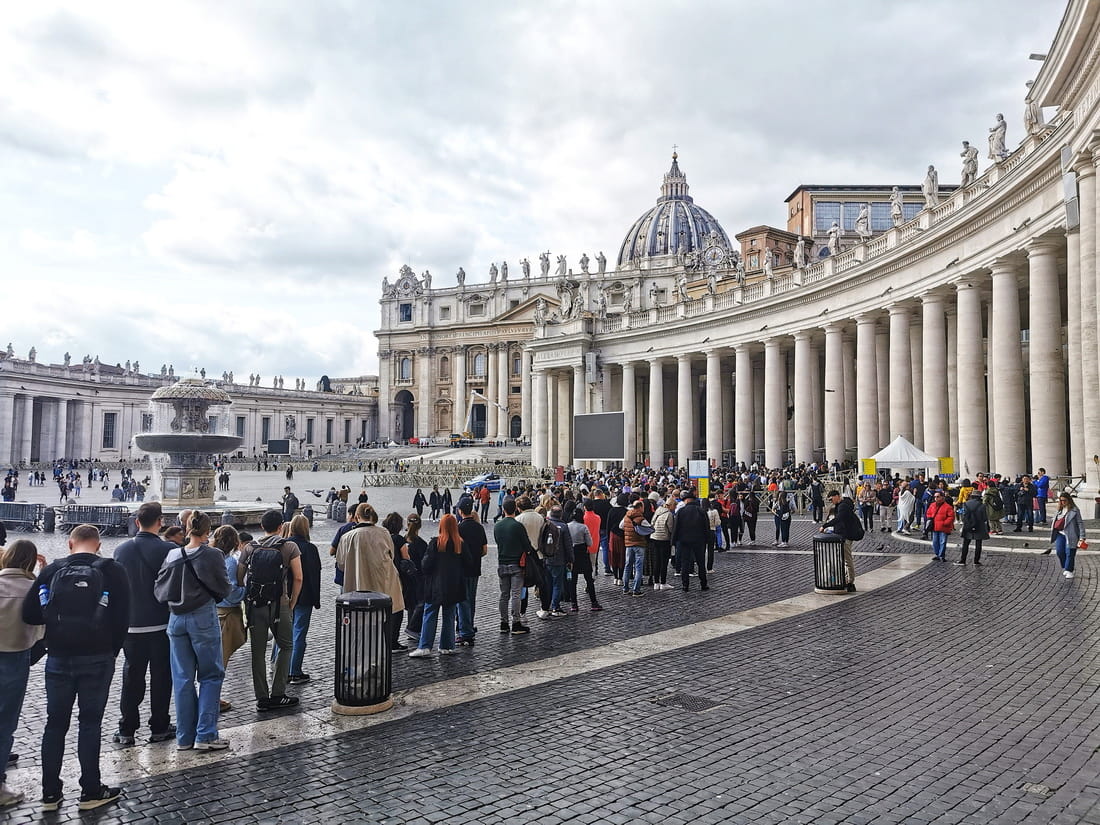
The Queue Trap. The security line creates a massive snake around St. Peter’s Square. Joining this crowd means sacrificing at least two hours—a luxury you can’t afford on a day trip.
Skipping the interiors was the best decision I made. By staying outside, the city became a fluid experience rather than a series of checkpoints.
The trade-off is painful—you are close to masterpieces you cannot see—but it buys you the luxury of simply being there.
The February Sweet Spot
I visited in early February, a time when the city takes a deep breath. While the internet warned of rain, Rome gifted me +17°C and sun.
For someone coming from the north, this was pure therapy. I was walking around in a light jacket—a wardrobe choice usually reserved for late May back home.
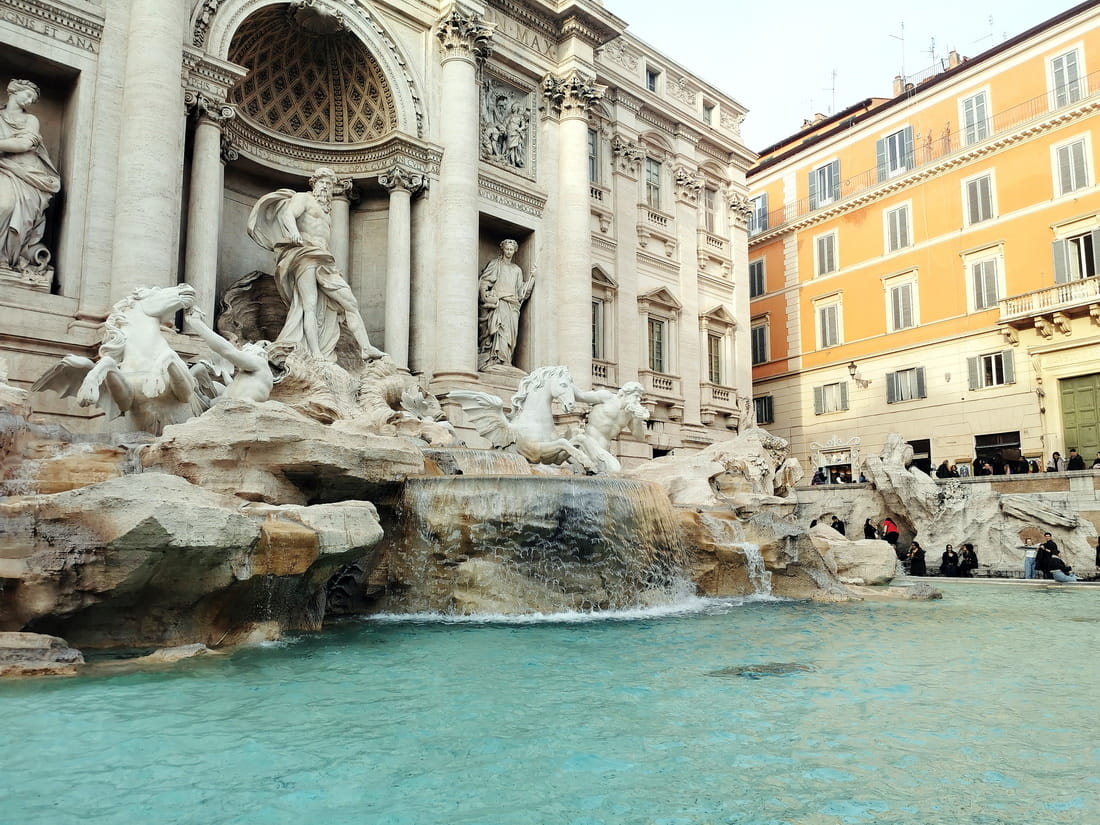
The February Reward. While the square behind me was full, the edge of the fountain was accessible. This is the “space” I was talking about—a clear view of Oceanus without a selfie stick in your eye.
This is the secret season. True, the Trevi Fountain was still a magnet for crowds—it never truly sleeps—but the summer paralysis was gone. With a little manoeuvring, I managed to squeeze right to the water’s edge.
Elsewhere, I could actually see the cobblestones. Yes, I missed the famous wisteria of late March, but I gained space. In a city this dense, space is the ultimate luxury.
The Joy of an Unplanned Lunch
Usually, I research restaurants like my trip depends on it. But in Rome, I let go.
I abandoned the “foodie research” because in a seven-hour sprint, planning lunch is just another form of stress. Instead, I simply sat at the first outdoor table that looked inviting.
It was unpretentious, delicious, and saved me from the hanger-induced marches that usually ruin short trips. Sometimes, the best strategy is simply to trust the city.
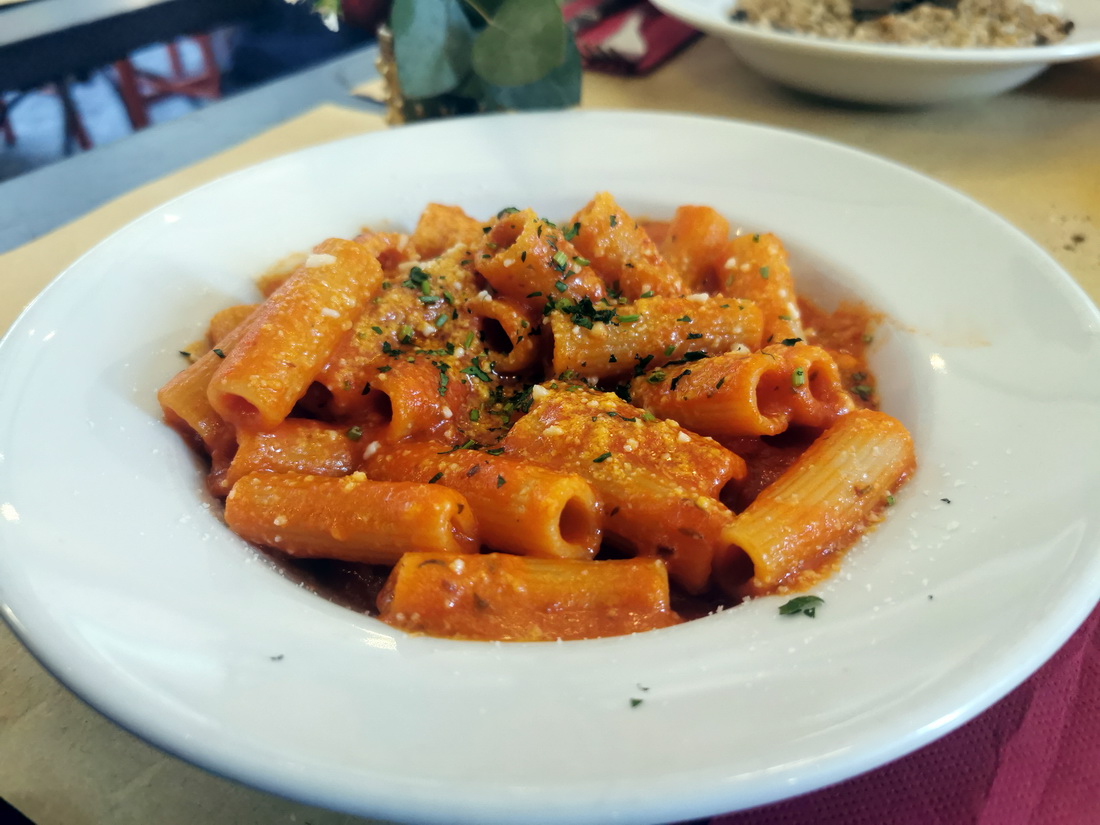
The Simple Feast. When in Rome, don’t overthink the menu. This unplanned plate of pasta, eaten at a random street corner, tasted better than any reserved meal.
This hospitality extends to hydration, too. Rome solves the traveller’s most basic needs with surprising elegance. I didn’t buy a single bottle of water. The city is dotted with nasoni—small iron fountains that pour fresh, cold drinking water 24/7.
The Tax on Naivety
However, the city demands a tuition fee. Mine was paid on a crowded bus.
I had read the warnings about pickpockets. I nodded at them. And then, distracted by the view and the chaos, I let my guard down. I felt a jostle, and moments later, my backpack was unzipped.
The thieves were efficient but unlucky: they stole a small, wallet-shaped object that turned out to be a box of band-aids. It was a cheap lesson, but a sharp one.
Rome is romantic, but it is not innocent. The moment you stop paying attention is the moment the city collects its tax.
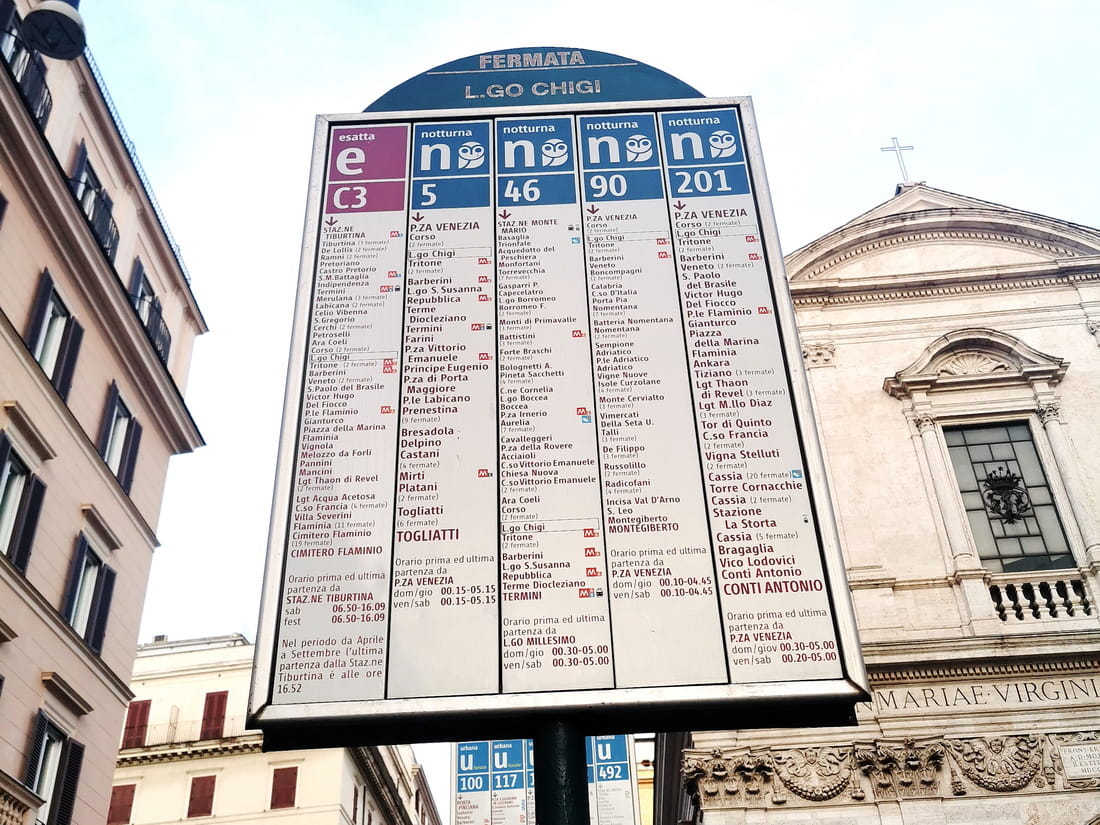
The Scene of the Crime. Public transport in Rome is efficient, but it’s also the favourite hunting ground for pickpockets. Keep your bag on your front.
A Teaser Trailer
Seven hours later, heading back to the train, I reviewed the damage: I had missed the Forum, skipped the museums, and taken the wrong metro line (twice).
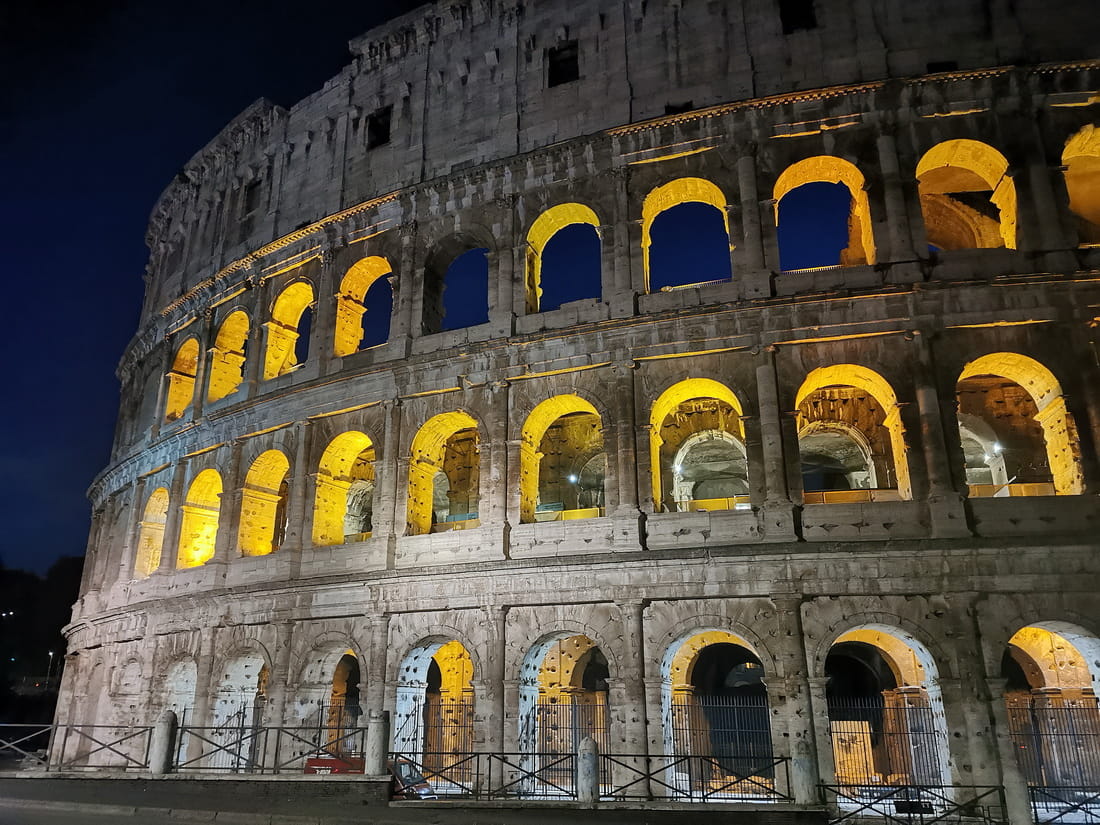
The Final Act. Ending the day at the Colosseum. Even a few hours in Rome leave you with a promise: this is not the end, it’s just the intermission.
But I had seen the light hit the Pantheon, heard a cymbal player in the Metro, and felt the pulse of the capital.
One day in Rome doesn’t give you the movie; it gives you the teaser trailer. And the only purpose of a trailer is to make you buy a ticket for the full show.
Travel Notes
Rome in a Rush: Practical Essentials
The Verdict: Rome is intense. If you need to recover from the sensory overload, head north. My guide to Lake Como offers the perfect antidote: silence, water, and mountains. Or, explore the underrated charm of Ferrara, the city where this journey began.

