














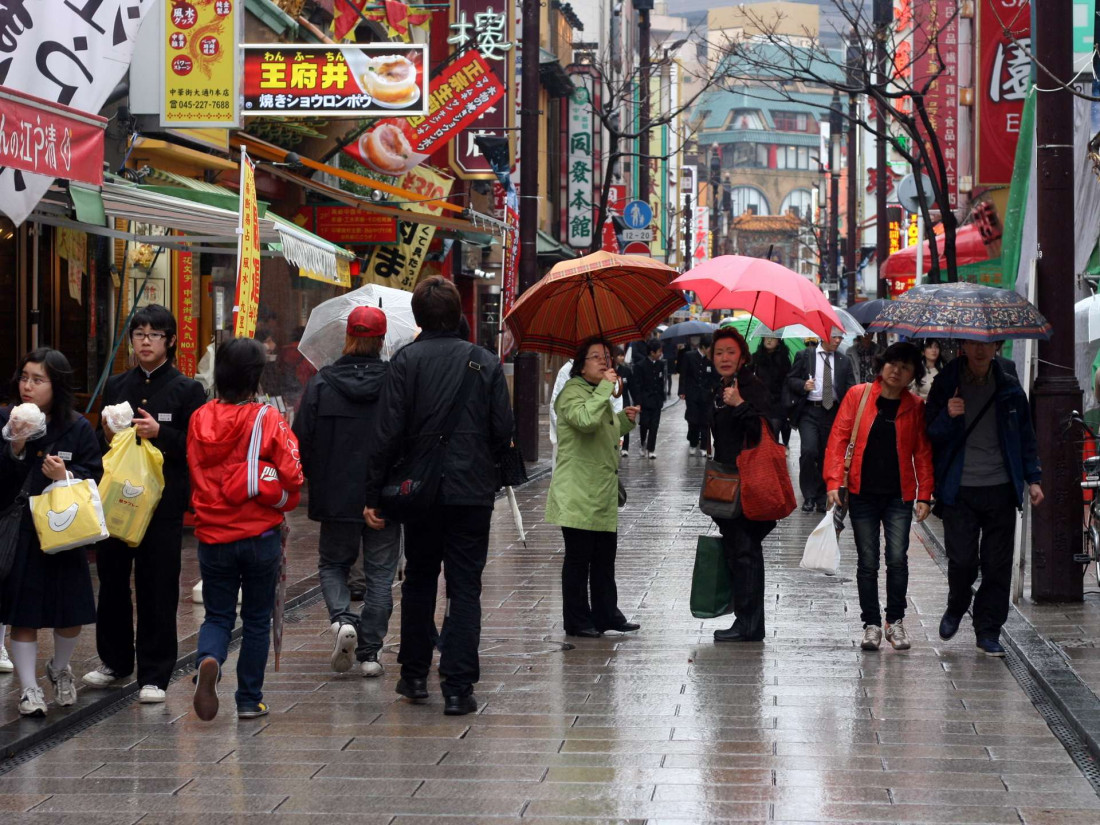
Taking an umbrella from a stand in Tokyo is not a “travel hack”; it is usually accidental larceny.
The confusion is understandable. When you see fifty identical umbrellas standing unlocked outside a convenience store, logic suggests they are there for the taking. It looks like a communal pool.
But in reality, that rack is a waiting room. Every handle belongs to someone inside who trusts the system enough to leave their property unguarded.
The Illusion of Inventory
To a visitor, these racks look like a public service. In reality, they are evidence of a social contract.
Locals park their umbrellas to avoid tracking water onto clean floors. Some stands have locks, but most rely entirely on honour. And usually, the system works perfectly. Until a tourist innocently “borrows” one.
I have seen it happen: a traveller rushing out into the rain, gripping a plastic handle they just found, assuming the city has provided for them. It feels harmless. But imagine the person coming out of the shop five minutes later—rain still pouring—only to find their trust violated.
In a country where people go out of their way to minimise inconvenience to others, taking an umbrella is a breach of order.
The Myth of Free Umbrellas in Japan
Why does this happen so often?
The myth that “umbrellas are free in Japan” circulates stubbornly on travel blogs. To be fair, exceptions exist. High-end department stores, hotels, and some hot spring villages do offer loaner umbrellas. But these are clearly marked, often branded, and usually accompanied by a polite sign asking for their return.
If you are standing outside a 7-Eleven or a local ramen shop and there is no sign, the rule is simple: if you didn’t bring it, don’t take it.
This quiet adherence to rules creates a unique atmosphere of order. It is the same mindset that governs places like Okunoin Cemetery near Osaka, where even the afterlife is organised with corporate precision. (I’ve written about it separately → Why I recommend visiting a Japanese cemetery).
This order is born of necessity. Japan is a wet country, and without these protocols, the cities would descend into chaos. You can study the macro patterns of the rainy season in the official guide, but for the micro-logistics of the street, use the notes below.
Travel Notes

