

















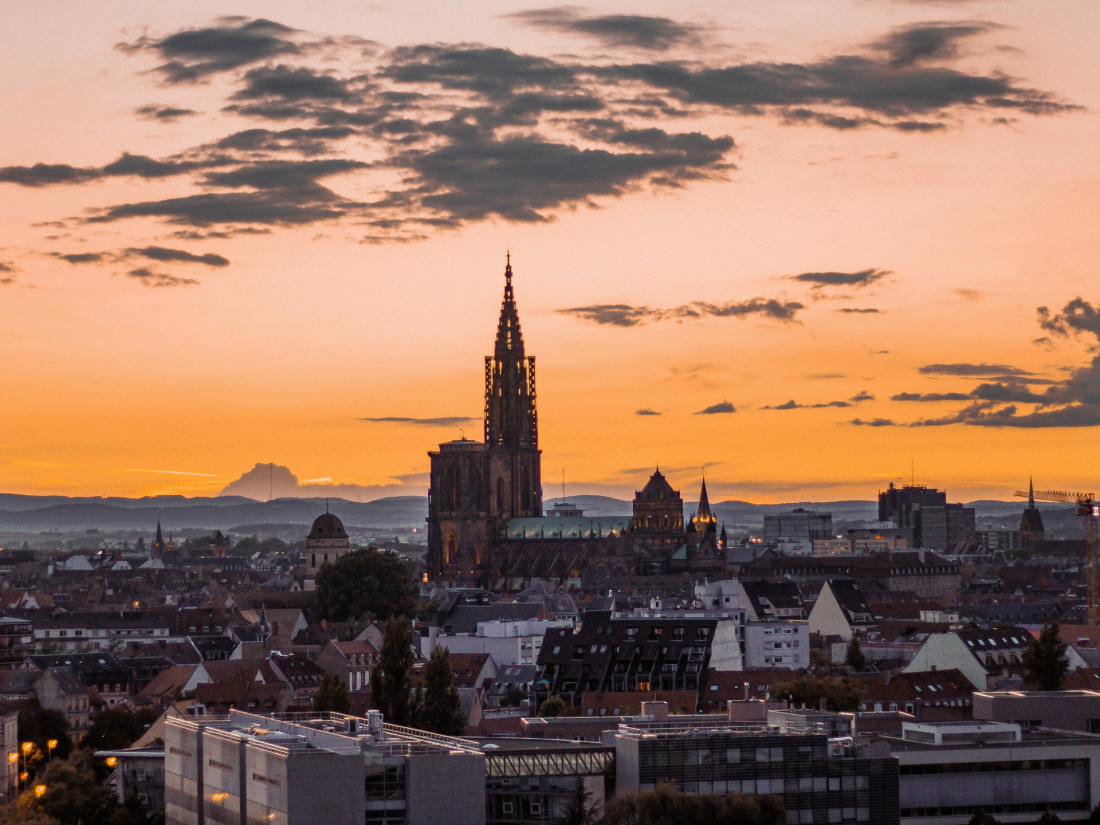
Crossing a bridge in Strasbourg often means switching eras. You can move from the glass-and-steel speed of the high-speed rail network to the creaking timber of the 16th century in a matter of minutes.
Finding the right base isn’t just about star ratings; it is about choosing which version of the city you want to wake up to. Do you need the silence of the canals, the immediate efficiency of the train station, or the imperial spaciousness of the German quarter?
Quick Guide: Where to Stay
- Best for first-time visitors: Grande Île (City Centre) — historic immersion, everything walkable.
- Best for trains + day trips: Gare (Station District) — fastest logistics, easiest arrival.
- Most scenic & romantic: Petite France — canals, quintessential timber-framed Strasbourg.
- Quiet + elegant: Neustadt — spacious streets, classic architecture, less noise.
- Best value: Schiltigheim — local vibe, lower rates, quick tram connection.
1. The Station District (Gare): The Efficiency Hub
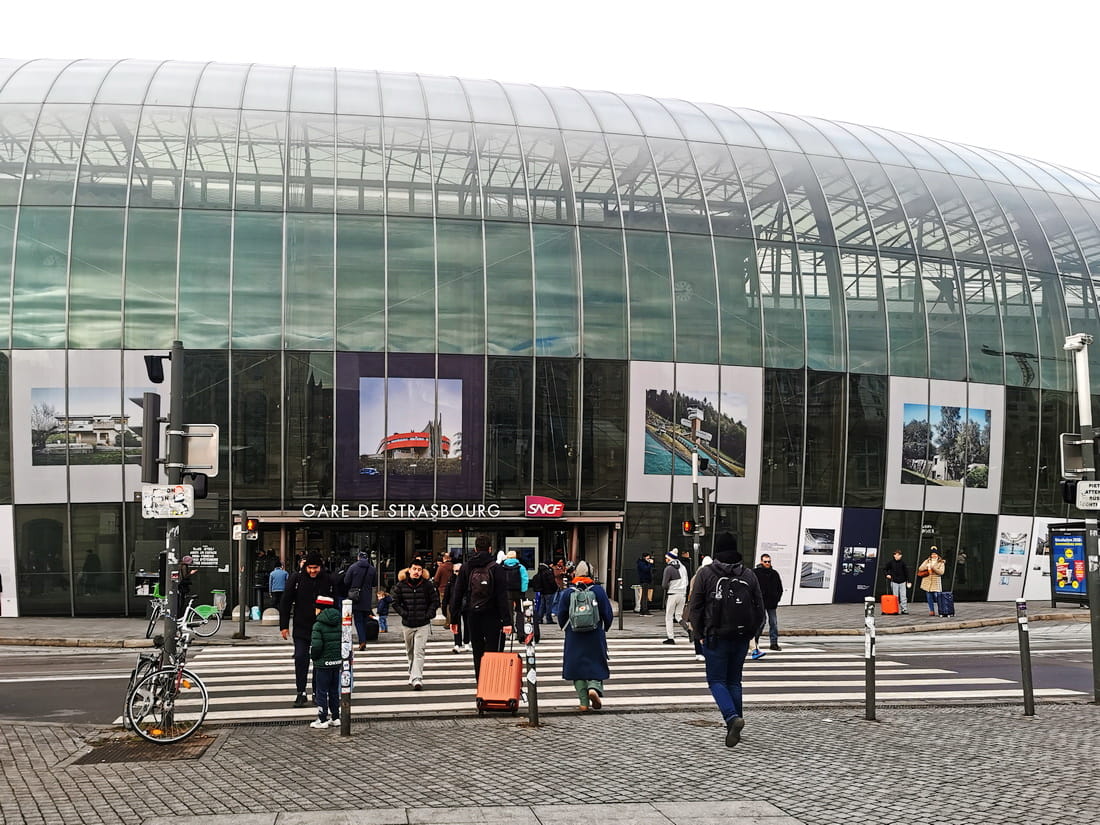
Standing outside the glass shell that encases the historic station. Staying here keeps you plugged into the high-speed rail network.
Many travellers instinctively avoid station areas, but Strasbourg’s Gare district is an exception. It is clean, safe, and remarkably connected.
The Lufthansa Express bus to Frankfurt stops right here, and practical essentials—from grocery stores to pharmacies—are on every corner.
Plus, you are not isolated: the Old Town is just about a 10-minute walk (or a quick tram hop) across the bridge. If you plan day trips to Colmar, Basel, or the German side, this is your most strategic base.
- Best for: Early trains, day trips, arriving late with heavy luggage.
- Avoid if: You want “historic medieval Strasbourg” directly outside your window.
- Getting around: Immediate access to all tram lines. Walk to Cathedral: ~15-20 minutes (depending on hotel location).
Top Hotel Picks:
- Hôtel Arok – Positioned directly opposite the station. Sleek, highly functional, and perfect for the traveller in transit.
- Hôtel Graffalgar – A creative hub where local artists designed every room. It’s the urban soul of the district.
Best choice for easy logistics and day trips:
2. Petite France: The Romantic Heart
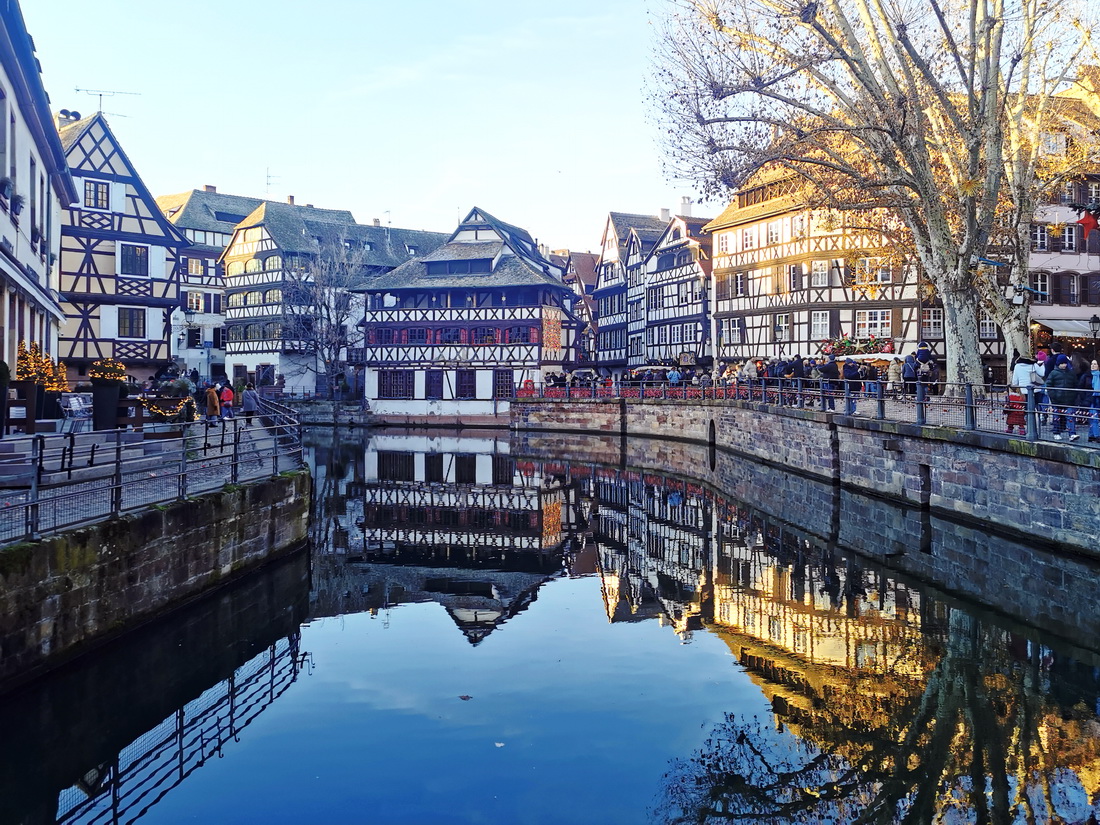
The water here doubles the architecture. Golden hour in Petite France, where the canals act as a mirror for the 16th-century tanners’ district.
Petite France is a maze of water and wood. Once the industrial district of tanners and millers, today it is the most picturesque part of Strasbourg. Defined by canals and half-timbered facades, it feels less like a busy urban district and more like a preserved village floating on the river.
Just be aware of the seasonal shift: while summer brings crowds day and night, off-season evenings are surprisingly silent, leaving the illuminated canals entirely to you.
- Best for: Atmosphere, photos, romantic getaways, and slow mornings.
- Avoid if: You hate stairs, cobblestones, and dragging wheeled luggage over uneven ground.
- Getting around: This is a restricted traffic zone. Walk to Station: ~12–15 minutes (on average).
Top Hotel Picks:
- Hôtel Régent Petite France & Spa – Occupies a former ice factory. You can still see the original industrial machinery in the lobby.
- Hôtel Le Bouclier d’Or – A grand stay inside a massive medieval structure with original beams and stone.
Best choice for views and romance:
3. Grande Île: The City Centre
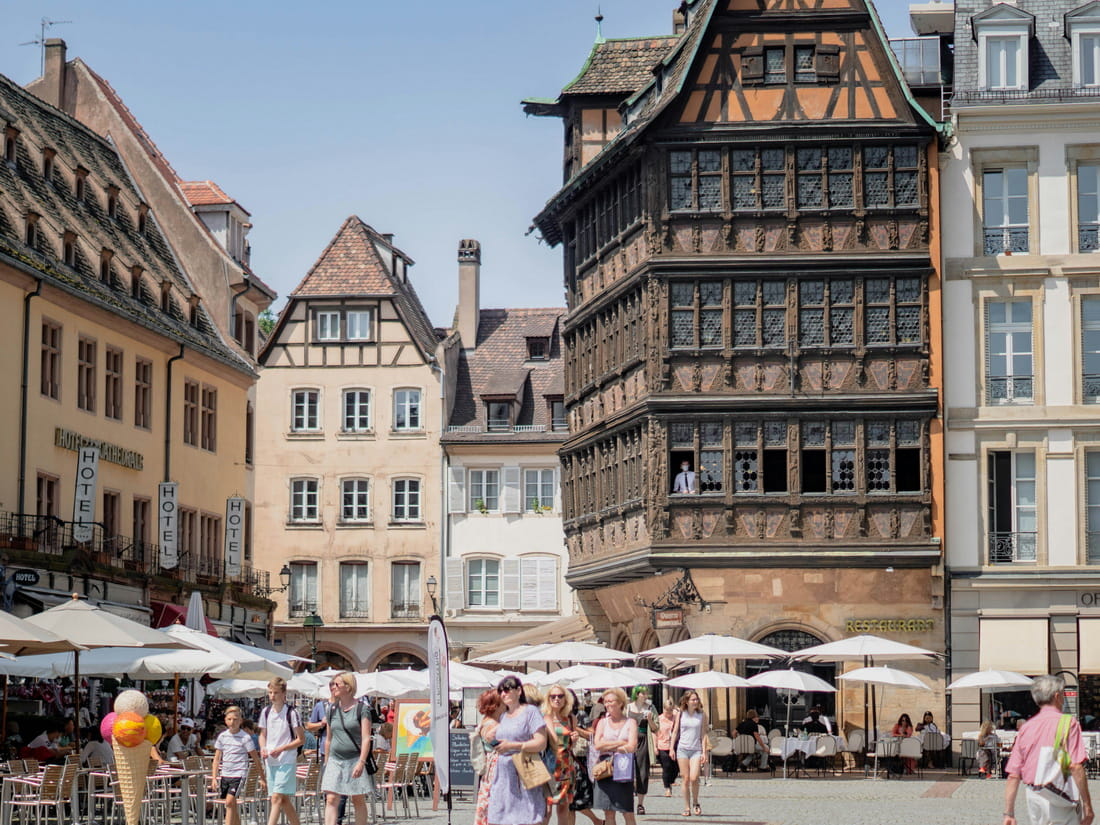
The center of the action. Maison Kammerzell overlooks the Cathedral square—proof that staying here means trading quiet streets for absolute convenience.
The Grande Île (Big Island) holds the Cathedral, major museums, and the city’s primary shopping arteries. It is the central nervous system of Strasbourg, with a restaurant or café on nearly every corner. While locals might joke that “all Alsatian food is good,” the sheer density here means you will find everything from tourist traps to hidden gems—so check the ratings.
A crucial note on sleep: Central convenience comes with volume. The narrow medieval streets trap sound, and crowds can linger late even in the off-season. Before booking, check reviews specifically for noise isolation if you are a light sleeper.
- Best for: First-time visitors, short stays, and doing everything on foot.
- Avoid if: You are sensitive to crowds (especially on weekends and during December markets).
- Getting around: No cars, just trams and pedestrians. Walk to Station: ~15-20 minutes (depending on location).
Top Hotel Picks:
- Hôtel Cathédrale – Stay here to study the Cathedral’s pink sandstone spire—a medieval skyscraper—directly from your window.
- Maison Rouge Strasbourg – A classic, high-end stay at the intersection of the city’s busiest cultural corridors.
Best for being in the middle of the action:
4. Neustadt: The Imperial Quarter
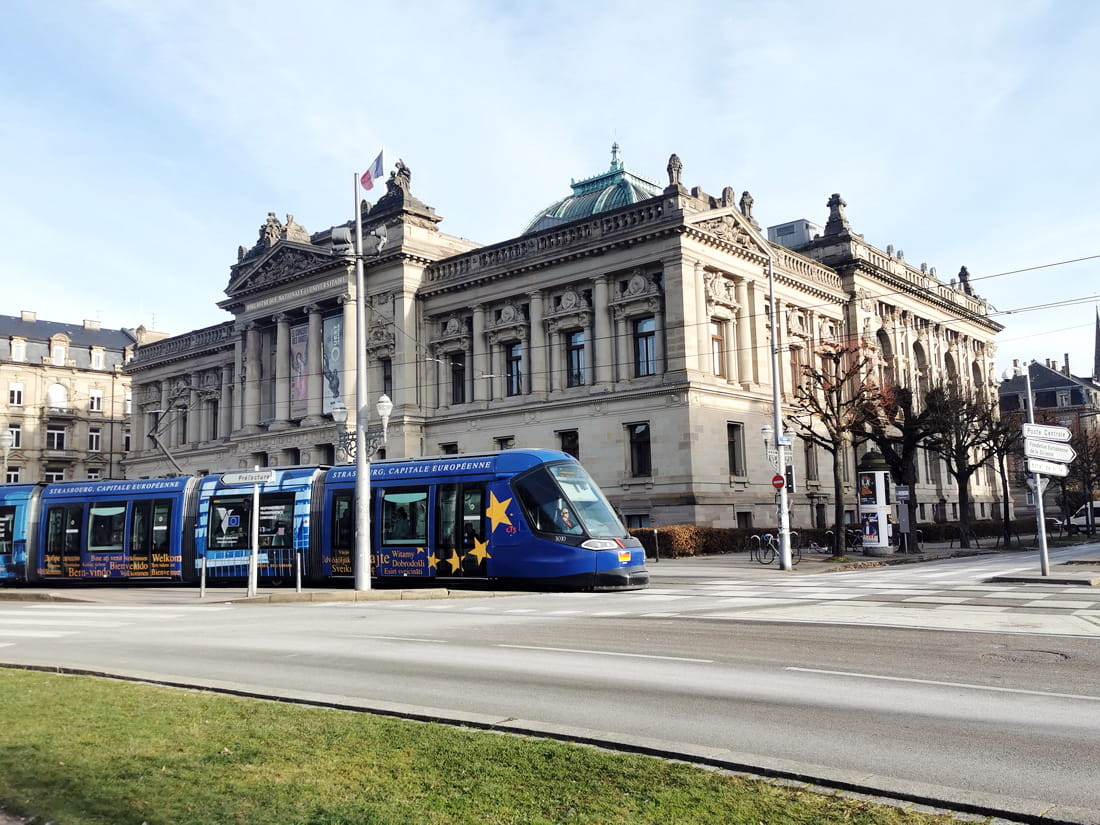
In Neustadt, the city suddenly exhales. Tight medieval streets give way to wide boulevards and the National Library. It’s the same Strasbourg, just with more sky.
German planners designed the Neustadt (New Town) in the late 19th century not just to expand the city, but to make a statement. Here, the tight medieval alleyways give way to wide, tree-lined boulevards and monumental Art Nouveau architecture.
The shift in energy is palpable: it is noticeably calmer here. You trade the tourist crowds for local joggers and students from the nearby university. A hidden advantage: because the buildings are grander, hotel rooms here are often significantly larger (and have higher ceilings) than in the old town, usually for the same price.
- Best for: Quiet nights, elegant architecture, and more space per euro.
- Avoid if: You want zero walking to get to the main restaurants (though it’s only a short walk).
- Getting around: Very easy. Walk to Cathedral: ~10-15 minutes (depending on hotel location).
Top Hotel Picks:
- Hôtel Régent Contades – A refined, quiet base located along the banks of the River Ill, away from the tourist crush.
- OKKO Hotels Strasbourg Centre – A modern, highly functional choice with a “club” concept.
Best for quiet elegance:
5. Schiltigheim: The Local Buffer Zone
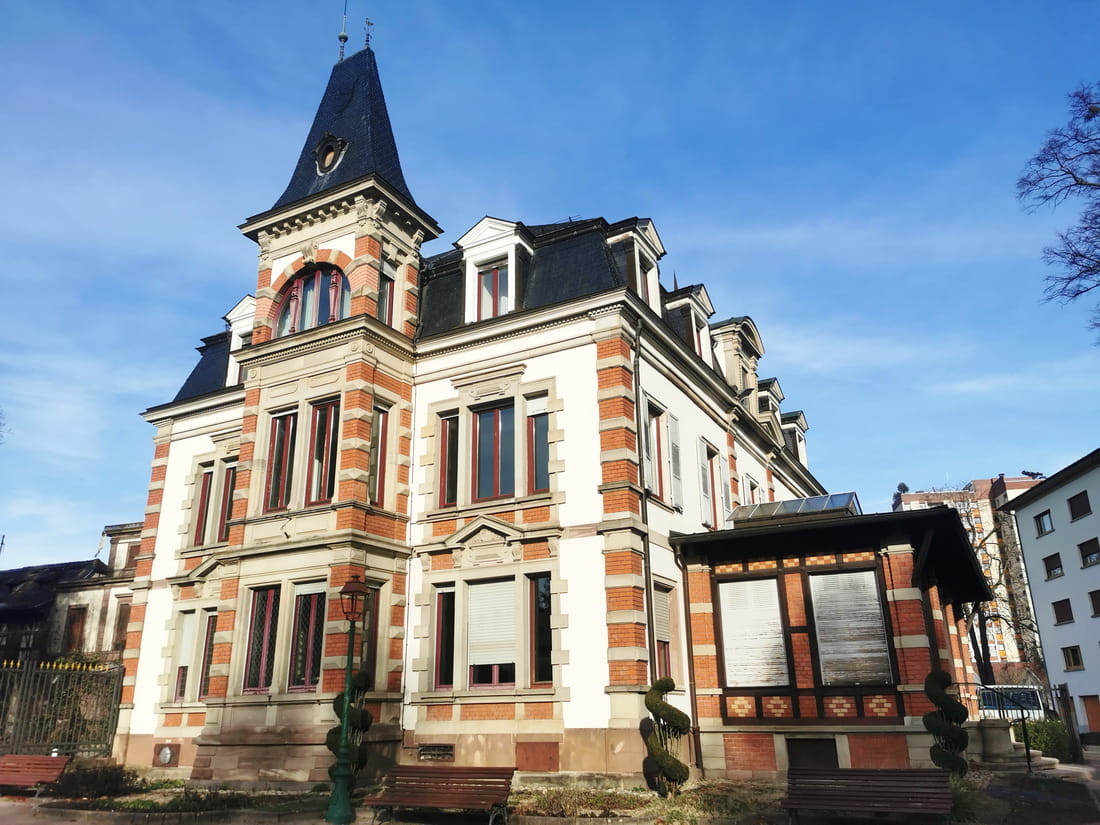
Schiltigheim offers a shift in pace. It feels less like a tourist site and more like a real, lived-in town.
Don’t let the administrative borders fool you. Schiltigheim (or “Schilick”) might look like a separate town on the map, but physically, it is a natural extension of Strasbourg. There is no empty space between them; you simply cross a street, and you are there.
For travellers, this area offers “real life” logistics: no tourist crowds, just quiet streets and practical essentials like large supermarkets (Auchan, Lidl, Carrefour). It is functional, calm, and significantly cheaper.
- Best for: Longer stays, budget travellers, and those who want to cook for themselves.
- Avoid if: You want to pop back to your room multiple times a day.
- Getting around: Excellent connection by Tram B and high-frequency buses. Walk to Place Kléber: ~30 minutes (a straight, easy walk).
Top Hotel Pick:
- Holiday Inn – Strasbourg – Nord by IHG – A reliable base offering standardized efficiency and a quiet environment.
Best for value:
Strasbourg: Timing & Nuances
My Shortcut Rule
Still undecided? Let’s simplify the decision in 30 seconds.
For a quick visit of 1–2 nights, maximize your efficiency by staying in Grande Île or Gare.
To wake up inside a living postcard, Petite France is the non-negotiable choice.
If you prefer silence, wide streets, and personal space, choose Neustadt.
Prioritizing your budget over location? Schiltigheim remains the smartest value play.
FAQ: Where to Stay in Strasbourg
Is Strasbourg safe for tourists?
Yes — the central districts listed here are generally safe and well-lit. Standard city awareness applies, especially around transit hubs late at night.
Is it better to stay near the train station or in the city centre?
If you plan day trips and want easy arrival, choose Gare. If you want maximum walkability and historic sights, choose Grande Île.
How many days should I stay in Strasbourg?
If you want to see Strasbourg without rushing, 3 full days is ideal. This gives you enough buffer to get your bearings (a walking tour of the historic center is great for day one) or dive deeper into Alsatian culture with a traditional food & tasting tour. If you intend to explore the region (Colmar, castles, the Wine Route) or simply want to slow down, Strasbourg makes a perfect base for a week or even two.
Do I need a car in Strasbourg?
No. In fact, a car is a burden in the city centre due to pedestrian-only zones and expensive parking. The tram system is excellent. If you are driving the Wine Route, park your car in a garage and forget about it while you explore the city.
Where should I stay for Christmas markets?
Grande Île for the main markets and easiest walking access. Petite France for atmosphere (but expect heavy crowds).
Is Petite France too touristy?
It is the most scenic area, so yes, it is busy during the day. But late evenings—especially in the off-season—can feel almost deserted, leaving the illuminated canals entirely to you.
The Verdict: Strasbourg is small enough to walk, but deep enough to get lost in. Your hotel choice just determines where you start the maze.
Whether you choose the efficiency of the Gare or the timber-framed silence of Petite France, the city adapts. Don’t overthink the logistics—just pick the era you want to wake up in.
Ready to dig deeper? I have written detailed essays on the city’s hidden layers. Explore the off-season magic in Strasbourg in the Void, uncover complex history at the Monument aux Morts, or embrace the absurd at the Tomi Ungerer Museum.

