
















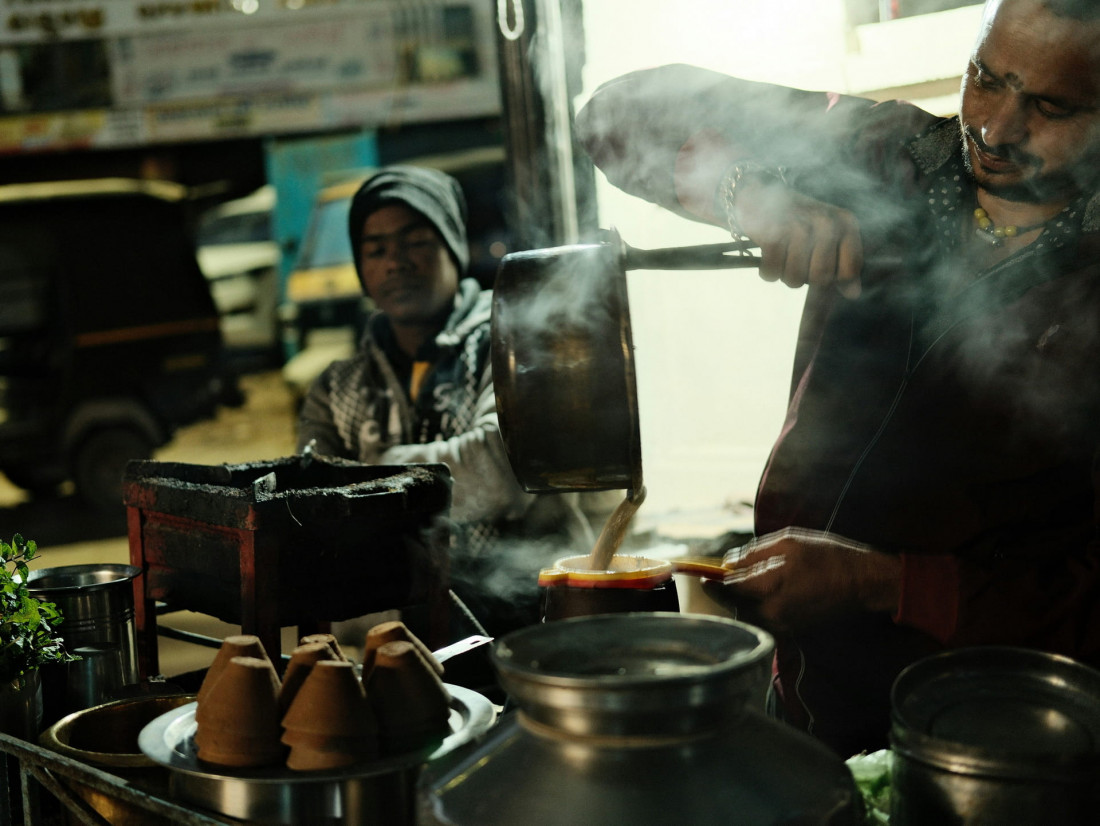
On crowded train platforms across the Indian subcontinent, in overheated buses, and on street corners wedged between incense stalls, the flame never dies. Someone is always brewing. And someone is always paying.
For a business journalist, the Indian street offers the ultimate case study in perfect competition. The chaiwalla (tea maker) acts as its protagonist. He operates with low overhead, high volume, and a product that has achieved 100% market penetration.
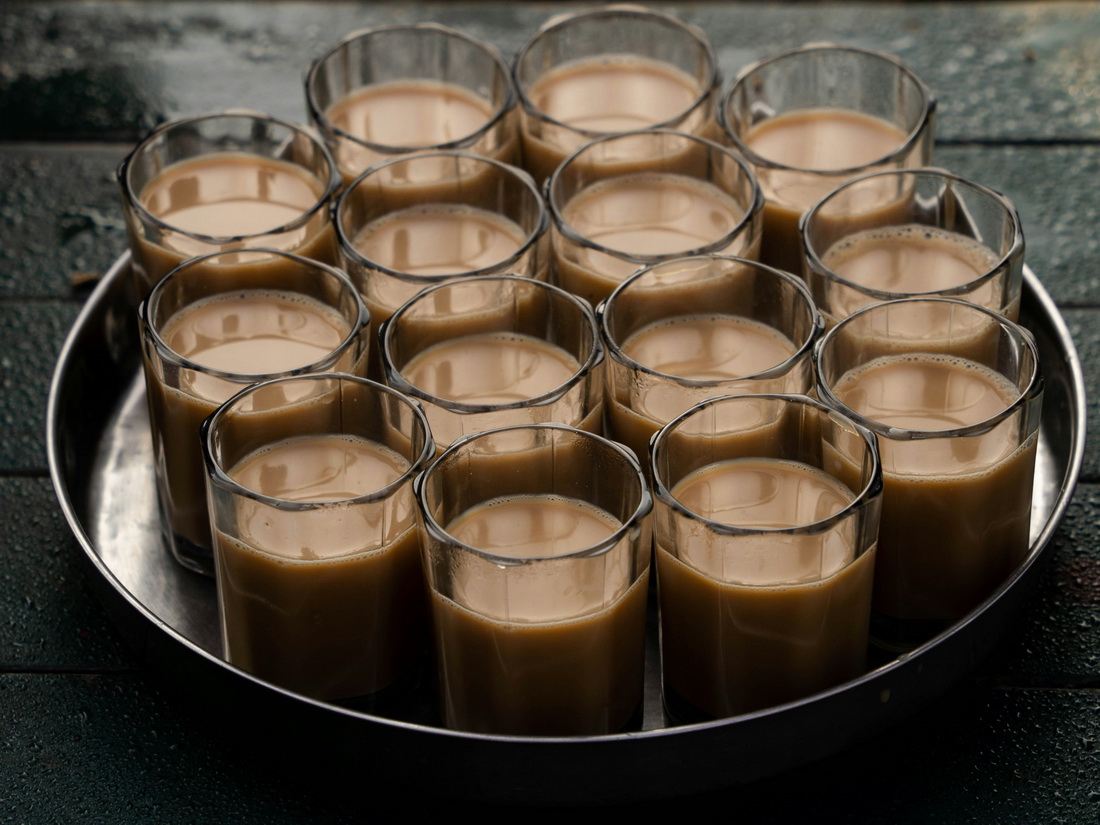
The Volume Game. Standardised portions, rapid turnover. These glass cups are the liquid currency of the street.
The Colonial Pivot
It wasn’t always this way. The British arrived in India with a clear agenda: break the Chinese monopoly on tea. They turned Assam into a massive plantation, but a problem arose—the domestic market was indifferent.
Indians preferred Kadha, an Ayurvedic decoction of herbs and spices used for immunity and digestion. It was medicine, not recreation.
The British Tea Association, in a desperate bid to create demand, launched a marketing campaign in the early 20th century encouraging factories to give tea breaks. They flooded the market with cheap, low-grade tea dust (CTC).
Local vendors, however, hacked the product. To mask the bitterness of the cheap leaves, they added the milk and sugar they loved. Then, to make it familiar, they threw in the Kadha spices—ginger, cardamom, cloves.
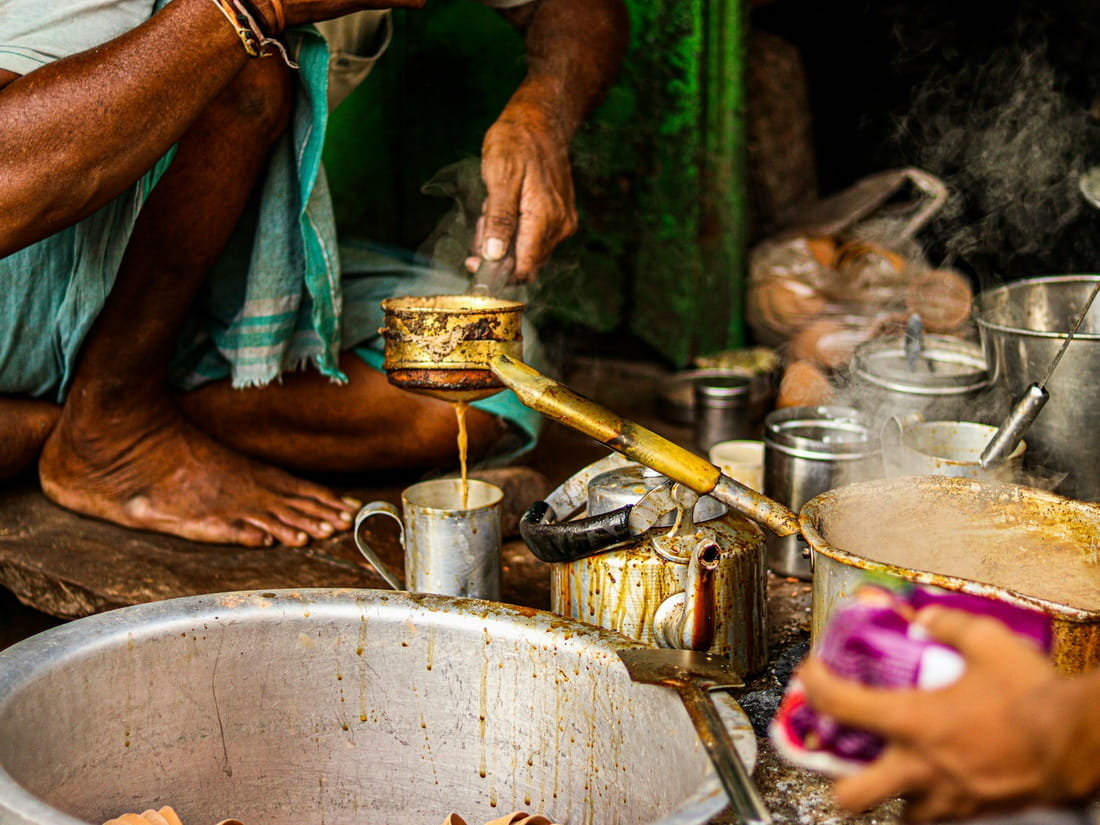
The Product Hack. How to fix cheap, bitter colonial tea dust? You boil it with heavy milk and spice. An innovation that outlasted the Empire.
They didn’t just adopt the British product; they disrupted it. The result was Masala Chai: a hybrid of colonial commerce and ancient Ayurveda.
The Micro-Transaction: “Cutting Chai”
In Mumbai, the financial capital, time is expensive. This pressure gave birth to the concept of “Cutting Chai.”
It is literally a glass cut in half—vendors serve a half-portion for half the price. Think of it as the original micro-transaction.
Crucially, it allows the busy stockbroker or the taxi driver to consume multiple cups a day without feeling bloated or spending too much. It turns a beverage into a punctuation mark for the workday.
The Western Gentrification
I’ve bought ready-made masala chai blends in the West. Brands seal them in pretty packaging, utilising words like authentic and handcrafted. Starbucks, for example, sells a “Chai Latte” for $5.
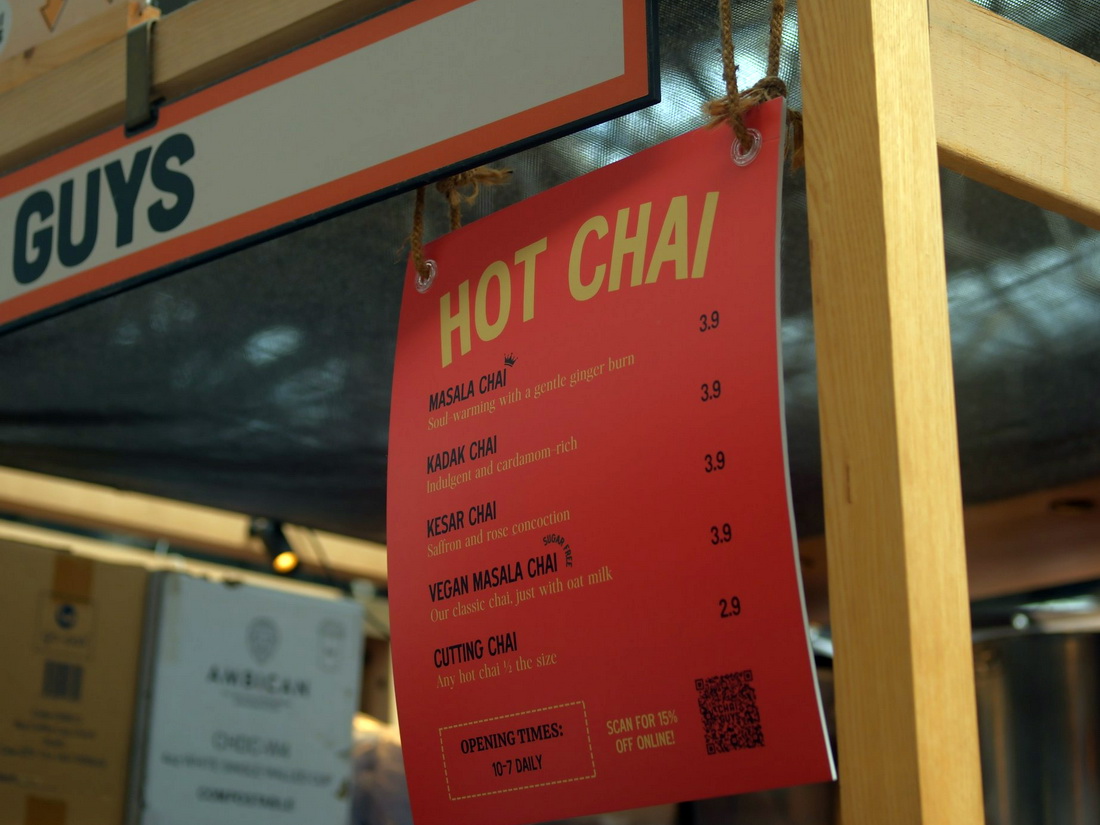
The Premium Markup. In India, it’s a commodity sold for pennies. In the West, it’s an “experience” sold for $4.
But this gentrification of the product often misses the point. Baristas typically make a “Chai Latte” by pumping sugary syrup into steamed milk.
Real masala chai, however, demands violent brewing. The tea, milk, and spices must boil together until they emulsify. It is a drink that insists on texture, not just flavour.
Regional Localization
Like any successful franchise, chai adapts to local markets. There is no single recipe; there is only local demand.
The North: Up in the mountains where I learned to drink it, the chai is heavy on ginger and full-fat milk—essentially liquid heating fuel for cold winters.
Kolkata: Here, vendors reduce the milk significantly. The tea looks darker, and they serve it in bhaars (clay cups) that absorb the excess moisture and impart an earthy aroma.
The South: Locals might add a pinch of fennel or even swap the tea entirely for filter coffee, yet the culture of the street brew remains.
Gastronomy Notes
Masala Chai: The Street Economy and How to Make It
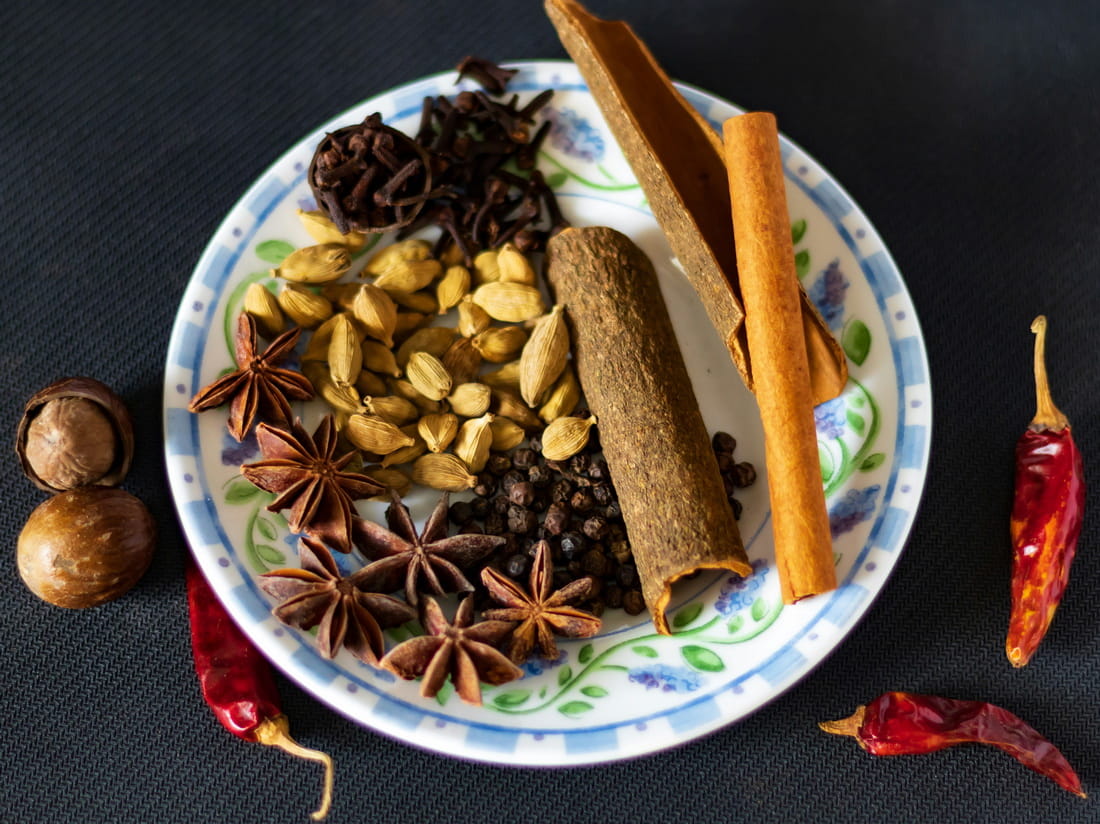
The Raw Assets. Whole spices, not powder. This is where the real value lies.
The Verdict: While the Tibetan Butter Tea is a tool for survival, Masala Chai is a tool for comfort. It offers the highest ROI (return on investment) of any kitchen ritual: for pennies, you get a product superior to any $5 coffee shop latte.
The beauty of making it at home is this: once you’ve done it a few times, your hands remember. You stop measuring. You become your own chaiwalla.
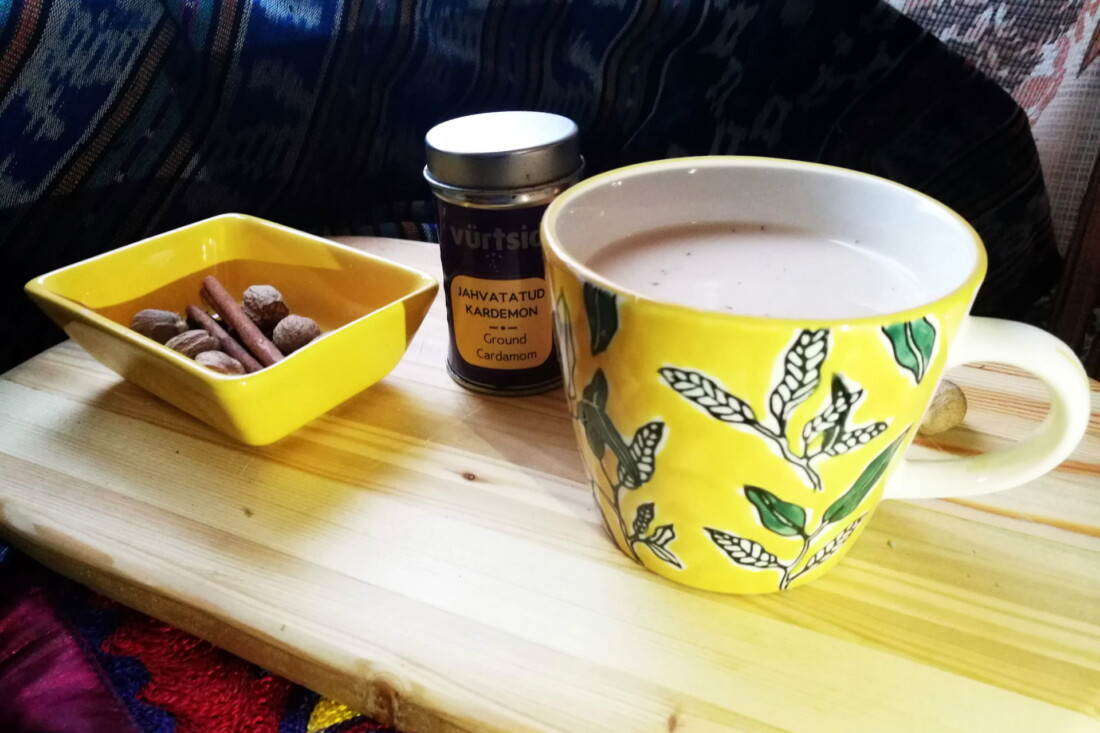
The Dividend. A moment of grounding that no coffee shop can replicate.
Just a little milk, a little spice, and ten minutes of your day.


