










In the Estonian countryside, privacy is not just a preference; it is the default setting. Houses sit quietly behind apple trees, and even without high fences, there is a strict invisible boundary around every private garden that strangers simply do not cross.
But on specific weekends, this social contract is suspended.
It is called Kohvikute päev (Cafe Day).
For one day only, local residents in villages and small towns open their private gardens to the public.
They bake cakes, smoke fish, set up tables under the apple trees, and invite total strangers in for lunch. It is essentially a nationwide, decentralised pop-up restaurant festival run by grandmothers, families, and neighbours.
I visited an event near the village of Voka (180 km from Tallinn) to understand why a private nation suddenly decides to host a dinner party for the world.
The Concept: Airbnb for Food
Cafe Day isn’t a single commercial festival held on a fairground. It is a grassroots movement that moves across the country from May to September. One weekend it’s in Hiiumaa, the next in a suburb of Tallinn.
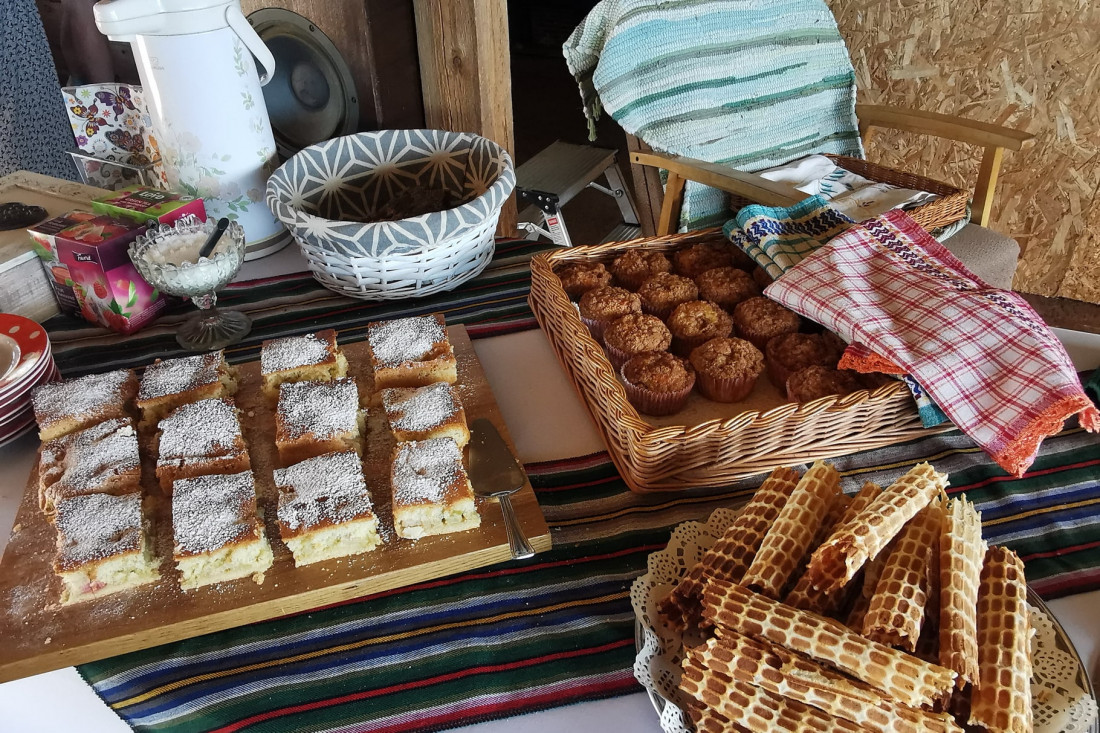
The premise is simple: anyone can become a restaurateur for 24 hours. There are no professional chefs and no rigid rules. Some hosts keep it low-key with a few rhubarb pies and a coffee pot on the porch. Others go “all in” with printed menus, hot meals, waitstaff (usually grandchildren), and live folk music.
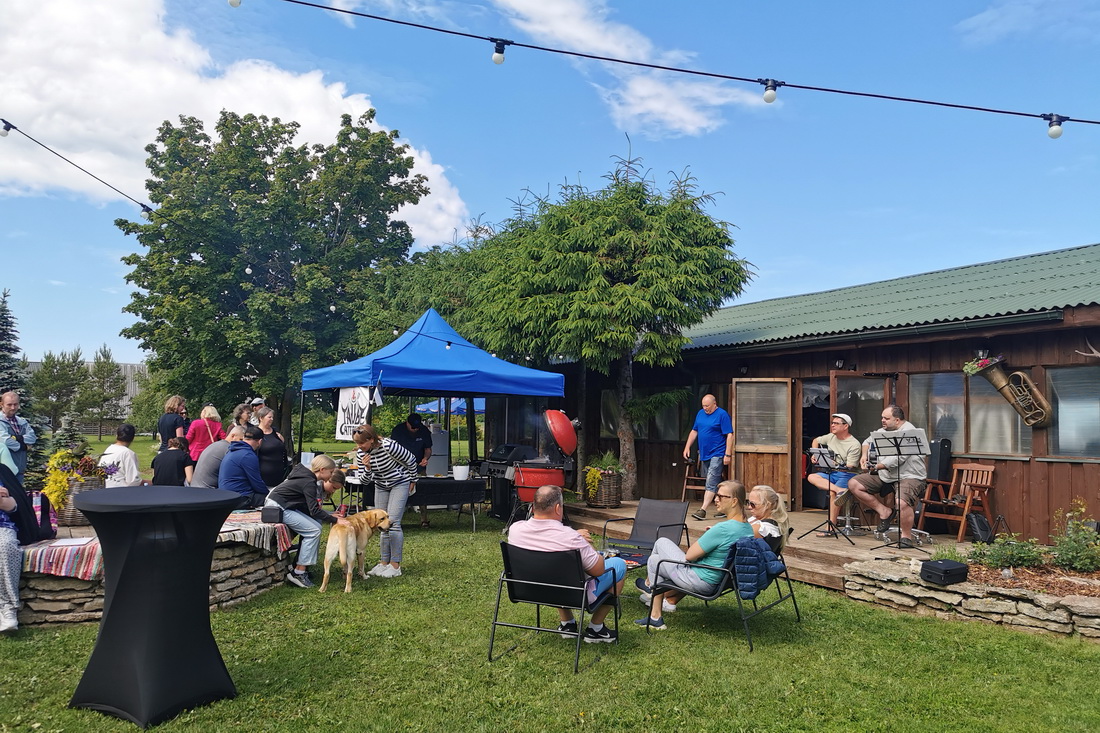
The Scale. This isn’t just a neighborly visit. A popular home cafe can serve over 100 people in a single afternoon.
The Menu: Grilled Garfish and Rhubarb Cults
Culinary logic here is strictly seasonal and hyper-local. You won’t find avocado toast. You will find whatever grows in the backyard or swims in the Baltic Sea.
At the garden I visited, the menu was a masterclass in honest Estonian cooking. There was tender pork tongue, homemade liqueurs, and grilled garfish (tuulehaug) — a long, seasonal Baltic fish famous for its electric-green bones.
What surprised me most was the presentation. This wasn’t just “backyard food” thrown on a paper plate; the plating was elegant, precise, and looked like it came out of a professional kitchen.
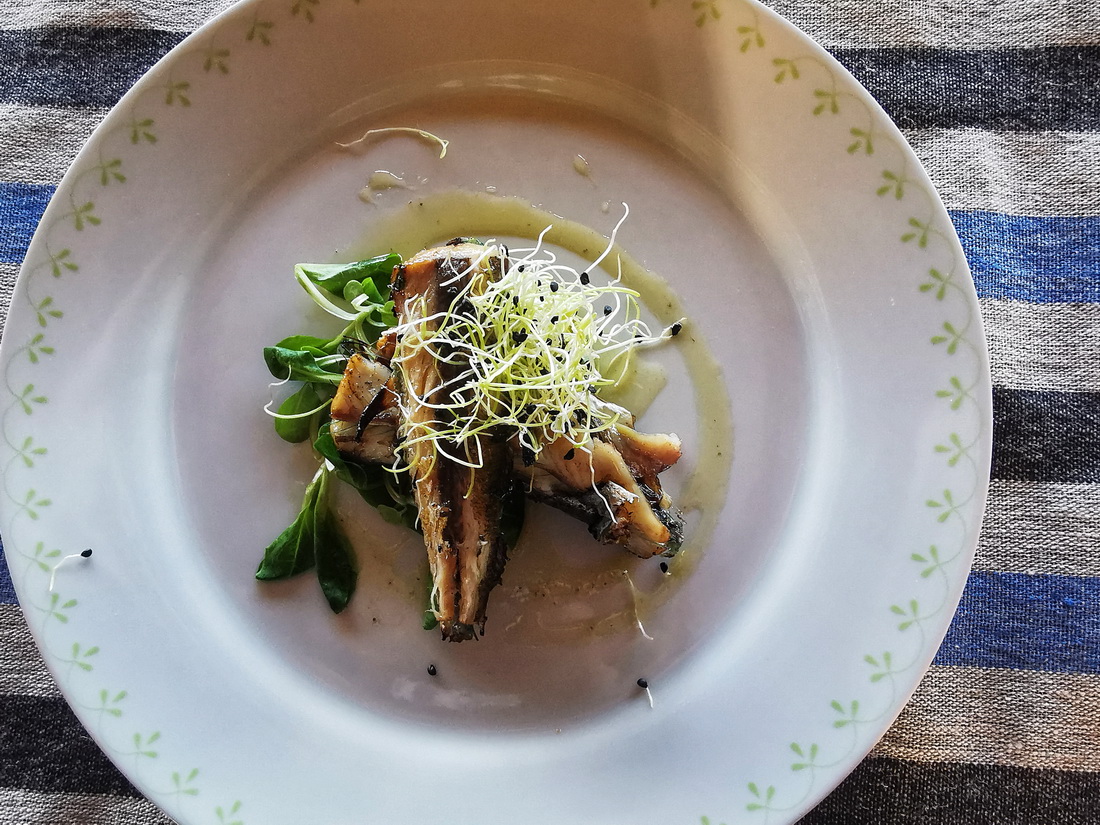
The Catch. Grilled garfish for €5. Simple ingredients, but restaurant-level execution.
And, of course, there was rhubarb. If Pavlova is the winter icon, rhubarb is the summer religion. It grows in monstrous bushes in almost every garden, and on Cafe Day, it appears in everything: cakes, lemonades, chutneys, and pies.
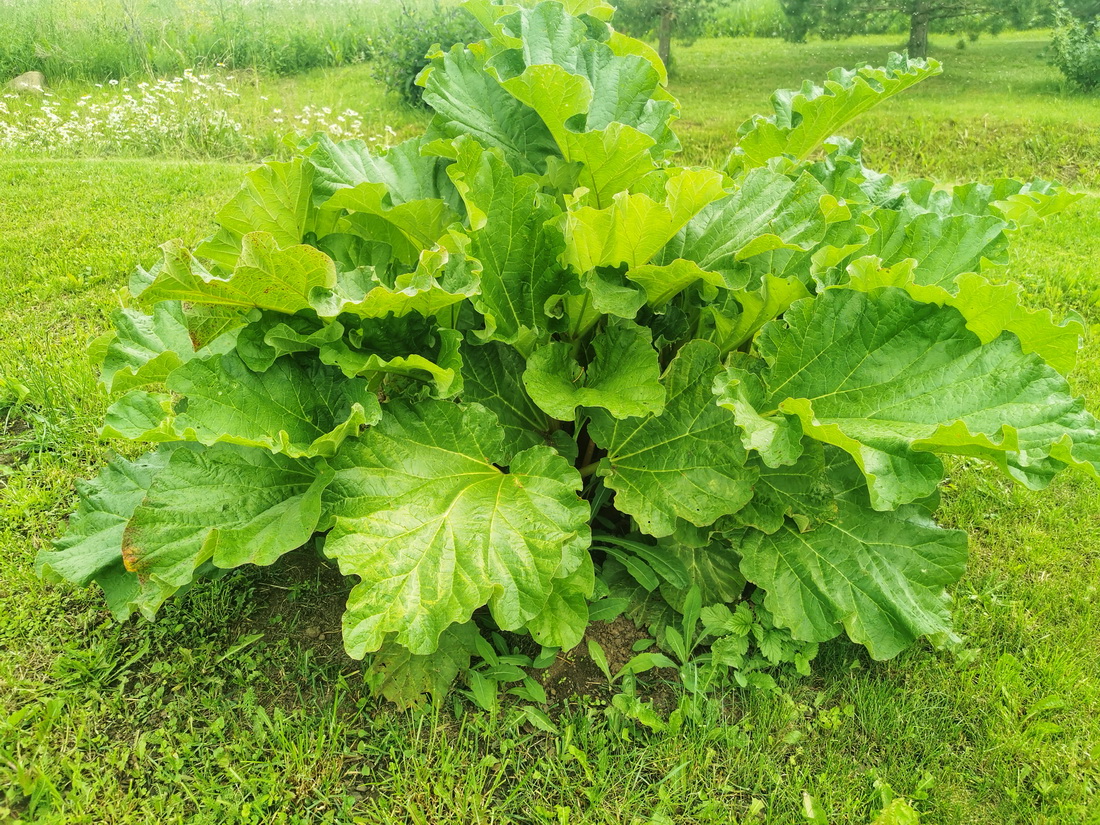
The Source. A massive rhubarb bush. In June, this plant fuels the entire dessert economy of the countryside.
The Economics of Trust
What surprises a visitor most is the pricing. In a world of inflation, Cafe Day feels like a time capsule. I paid €2 for a slice of pie, €5 for a portion of fish, and €2 for coffee.
For the hosts, this is rarely about massive profits. A well-run garden café might earn €400–500 a day, which covers the costs and maybe buys a few packets of premium seeds for next year.
But the primary currency here isn’t Euro; it’s social capital. It’s about showing off your peony collection, your grandmother’s recipe, or your new greenhouse.
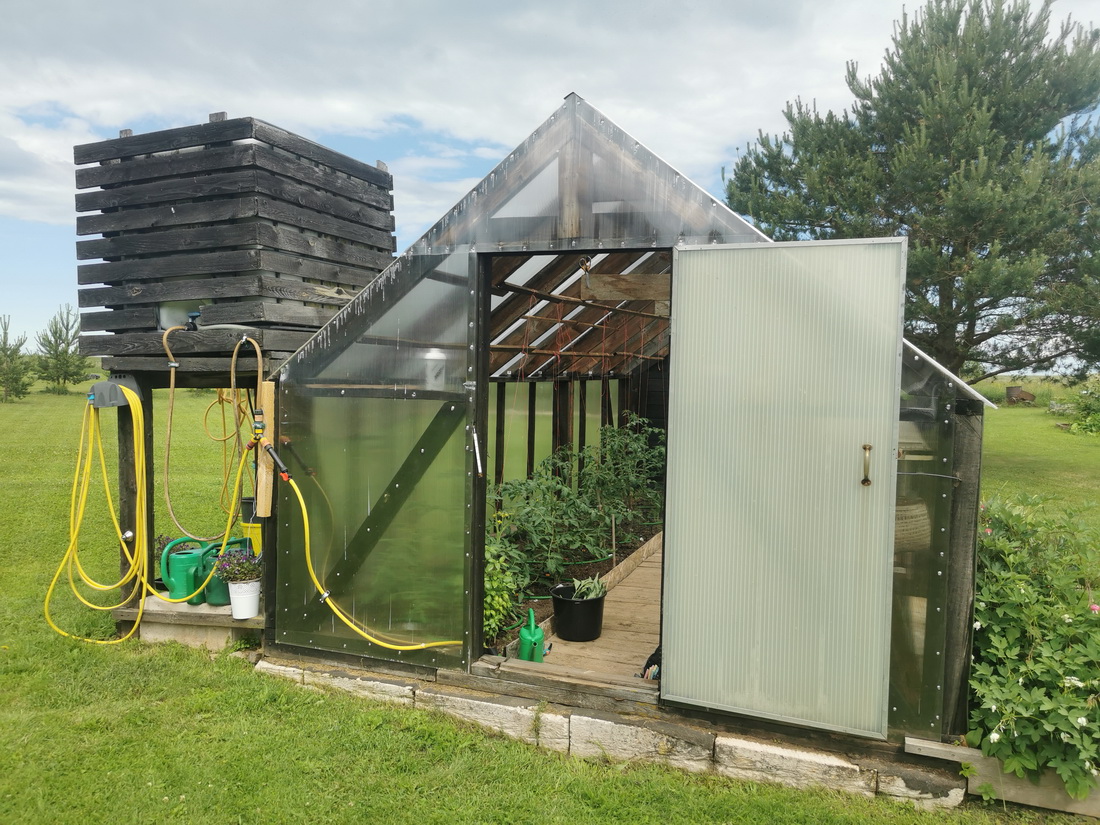
Pride of Place. For locals, this is a chance to show off their gardening skills, like this cozy greenhouse setup.
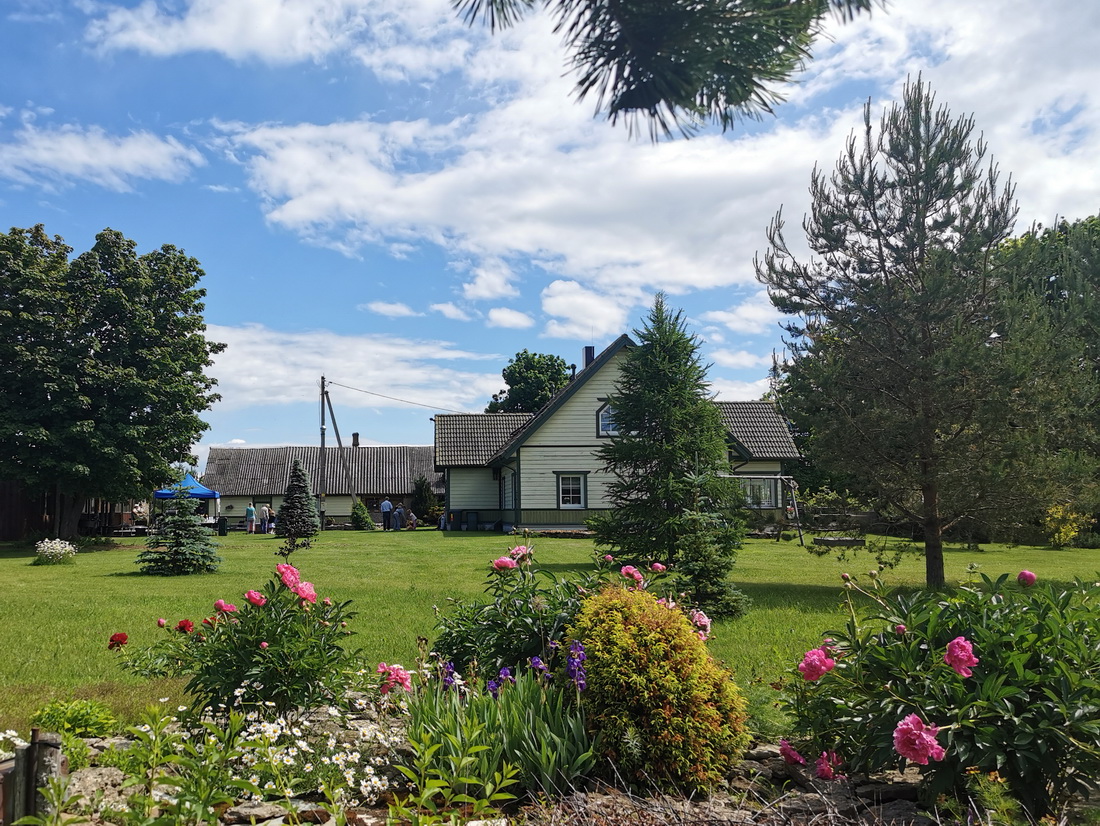
The Staff. Even the robotic lawnmowers take a break when the guests arrive.
Who Visits?
Everyone. It is a rare moment when boundaries dissolve. Locals visit neighbours they haven’t spoken to in years. Tallinn city-dwellers drive out to the countryside to show their children where food comes from. Curious tourists stumble in and are treated like long-lost relatives.
There are no reservations. You just walk through the open gate, find a spot under a cherry tree, and join the conversation.
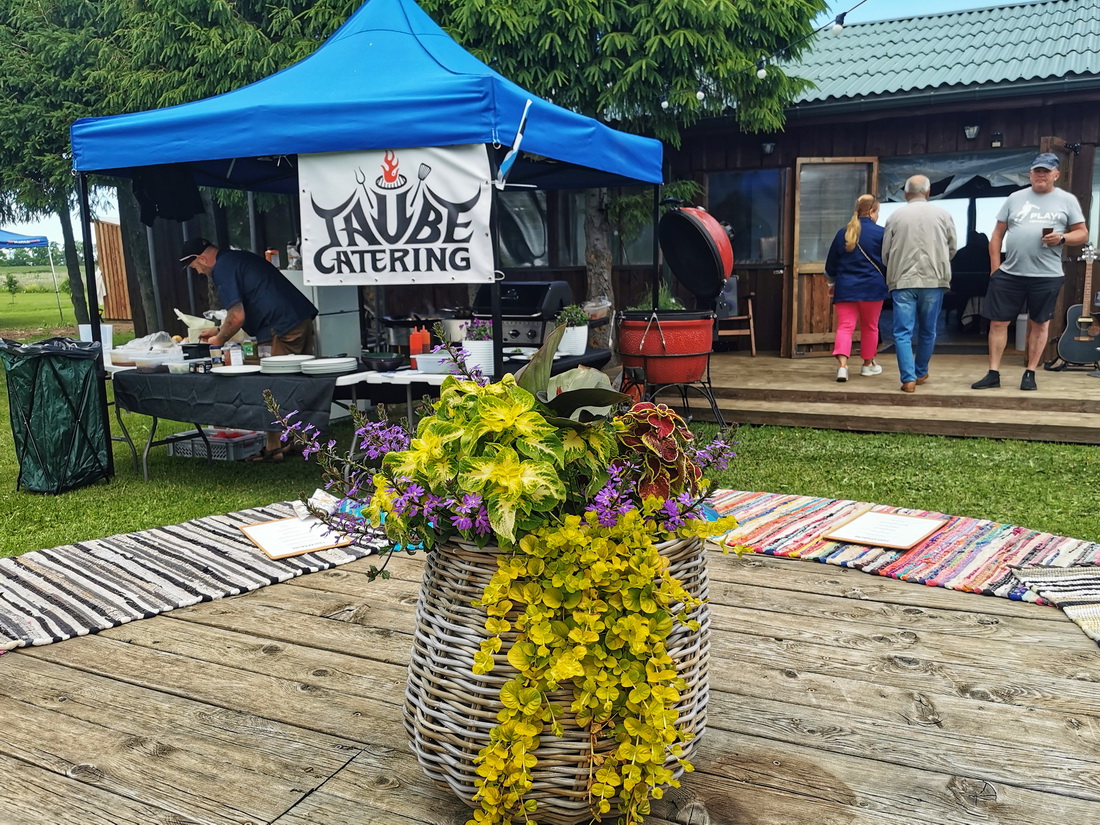
Open House. No bookings, no pressure. Just walk in.
Travel Notes
How to Find a Cafe Day
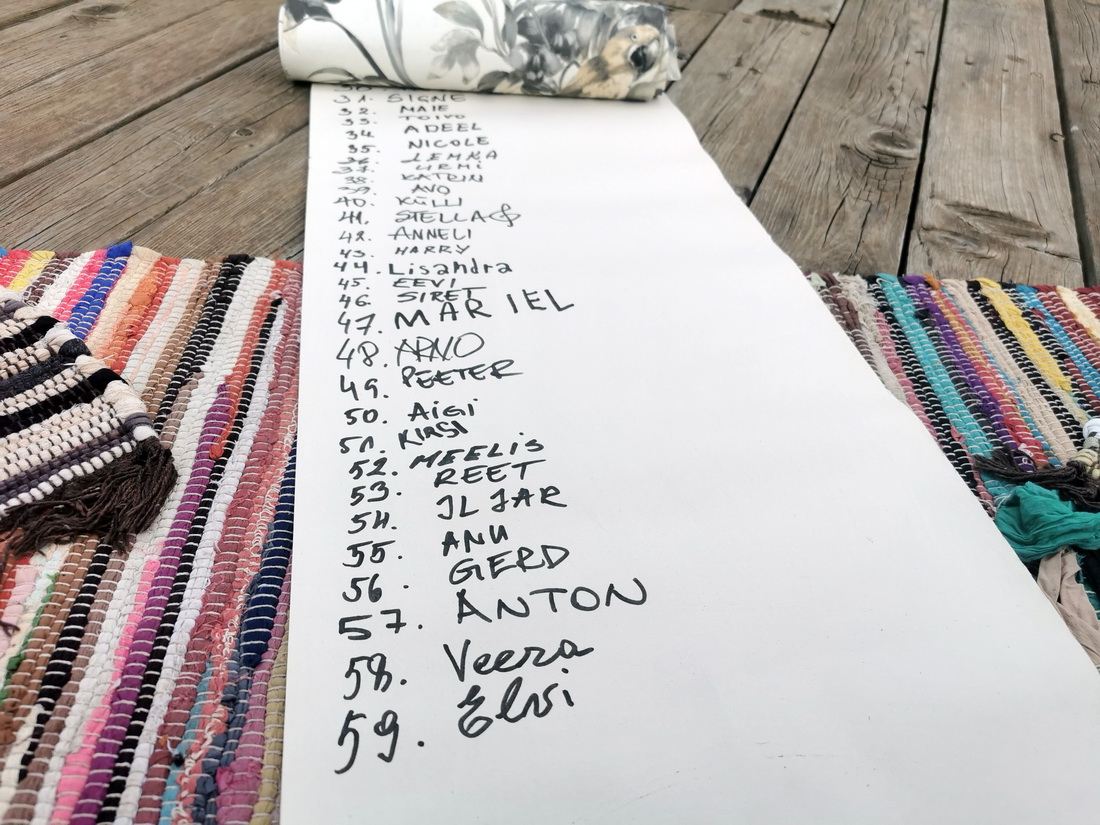
The Feedback Loop. Leaving a thank you note is the best tip you can give.
The Verdict: Cafe Day offers the highest value-for-money experience in Estonia, but not because of the cheap coffee. It is a backstage pass to local life.
For €9, you don’t just get lunch; you get permission to cross the invisible line and see how Estonians actually live when they think no one is watching.
If you want to explore more of the country’s summer traditions, check out my story about the Estonian Summer Solstice, or if you are heading back to the city, use my Complete Guide to Tallinn.

