














Tallinn uses the euro and reflects a modern EU economy. Prices are no longer low-cost Eastern European—but they remain below Scandinavian levels.
A coffee can cost €4, yet you can cross the city for €2. Context matters more than stereotypes.
Below is a realistic breakdown of average prices in Tallinn, daily budgets and where the city feels expensive versus surprisingly reasonable.
For a broader overview of neighbourhoods and logistics, see my → Tallinn Travel Guide.
Average Prices in Tallinn (2026)
These are realistic central Tallinn prices — what you will encounter in the Old Town, Kalamaja or around Telliskivi.
Food & Cafés
- Coffee in a café: €3.50–4.50
- Cappuccino on a main Old Town square: €4–5
- Casual lunch (soup or main + drink): €10–16
- Dinner in a mid-range restaurant: €20–35 per person
- Bakery snack or street food: €3–8
Transport
- Public transport single ticket: €2
- Bolt ride within central areas: €5–10
- Airport to centre by bus: €2
Culture & Attractions
- Museum ticket: €8–15
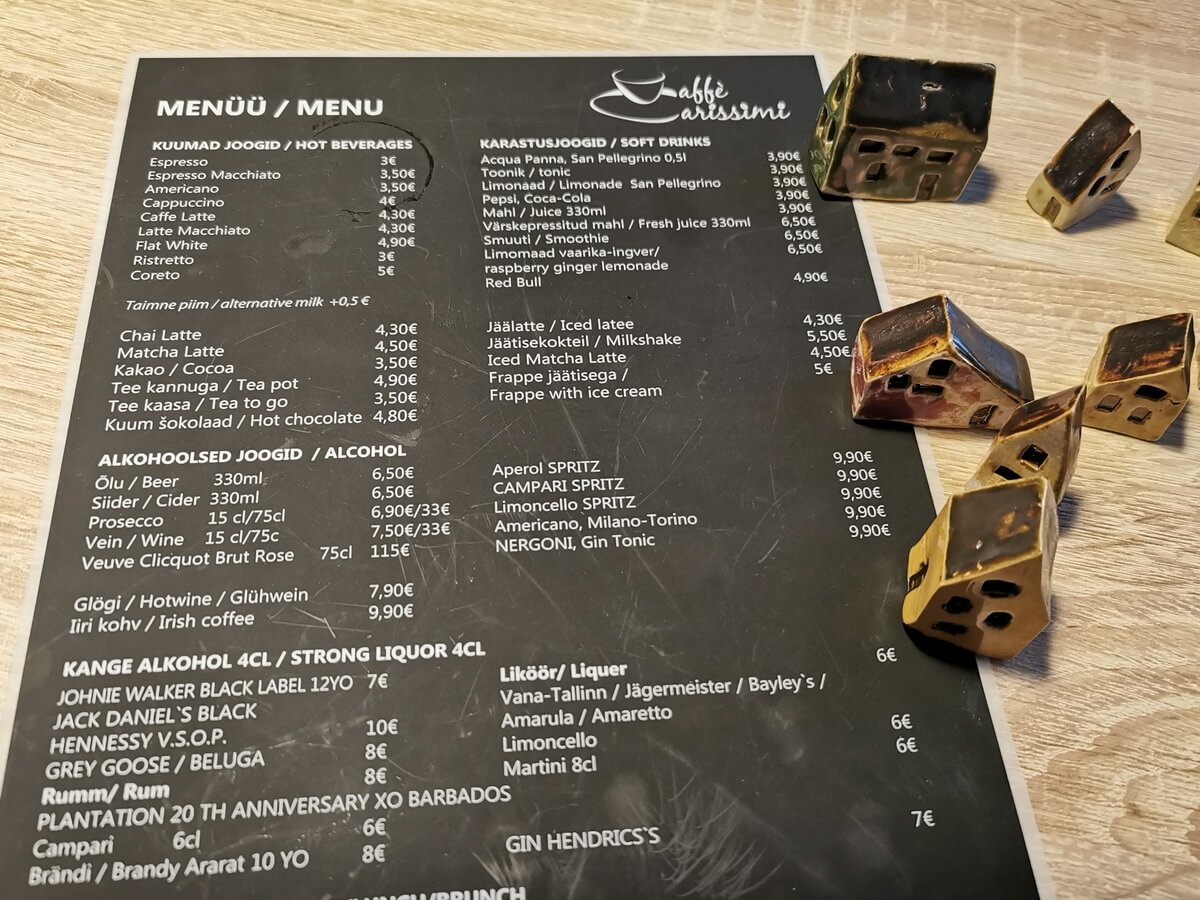
A café menu in Tallinn’s Old Town. Coffee from around €3, cocktails close to €10 — location quietly shapes the bill.
Supermarket basics:
- 1 litre milk: €1.20–1.60
- Rye bread: €1.50–3
- Eggs (10 pcs): €2.20–3.50
- Chicken breast (1 kg): €6–9
- Local cheese (200 g): €2–4
- Butter (200 g): €2–3.50
- Bananas (1 kg): €1.40–2
- Tomatoes (1 kg, seasonal): €2.50–4
Alcohol in supermarkets:
- Local beer (0.5 L): €1.20–2
- Mid-range Estonian wine: €8–14
- Bottle of Primitivo or basic Bordeaux: €9–12
Supermarkets and Food Shopping in Tallinn
Location matters.
Inside the Old Town, you will mostly find smaller “express” stores. Selection is limited and prices are slightly higher. They are convenient, but not ideal for proper grocery shopping.
Walk 10–20 minutes beyond the medieval walls and the picture changes. The difference is visible on the receipt.
Large branches of Rimi and Maxima offer a wide selection and stable pricing. This is where most locals shop. Selver is usually a touch more expensive but consistently well stocked.
The supermarket inside Viru Keskus is central and convenient, with a strong ready-made food section — and central pricing to match.
Lidl offers some of the lowest prices in the city, though none of its stores are located directly in the centre.
Markets also vary.
Balti Jaama Turg near the train station is polished, photogenic and priced for visitors as much as for locals. The Central Market near the bus station is less curated but often cheaper — especially for vegetables, berries and seasonal produce.
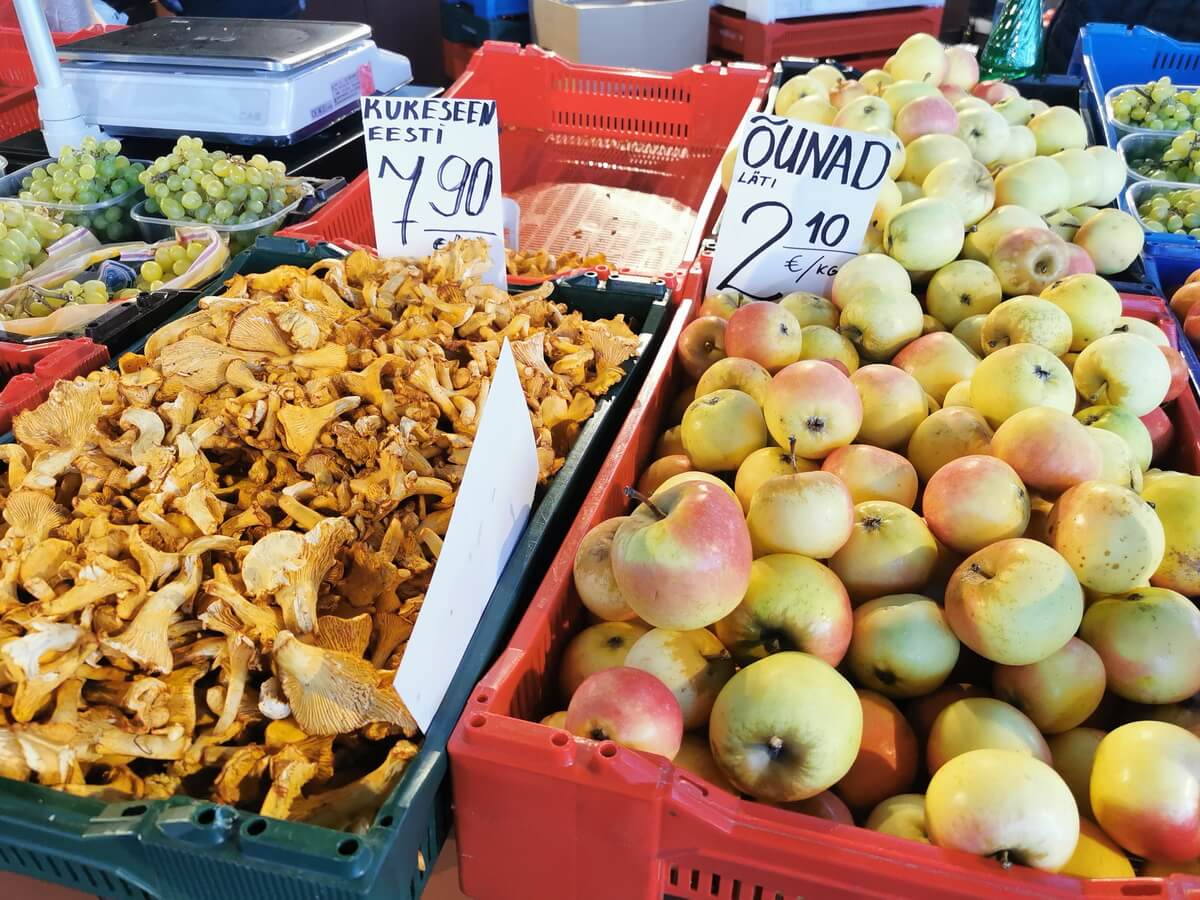
Balti Jaam Market is polished and popular with tourists. Even here, seasonal produce like chanterelles (€7.90/kg) and apples (€2.10/kg) can feel fair.
Choosing the right supermarket can easily save €10–15 per day without changing what you eat.
Tallinn is no longer a bargain city — but everyday costs rarely spiral out of control.
Compared to Other European Cities
Compared to Helsinki, Tallinn feels noticeably cheaper, especially for dining. This is one reason Finns regularly cross the Gulf for short breaks.
Compared to Riga, Tallinn is slightly more expensive in cafés and restaurants, though accommodation prices often align in high season.
Compared to Berlin, everyday costs are broadly similar. Berlin still offers more ultra-budget dining options.
Compared to Stockholm, Tallinn is significantly more affordable across most categories.
In practical terms, you are not paying Scandinavian prices — but you are no longer in ultra-cheap Eastern Europe either.
Where Tallinn Feels Expensive
This is where expectations shift.
1. Old Town Restaurants
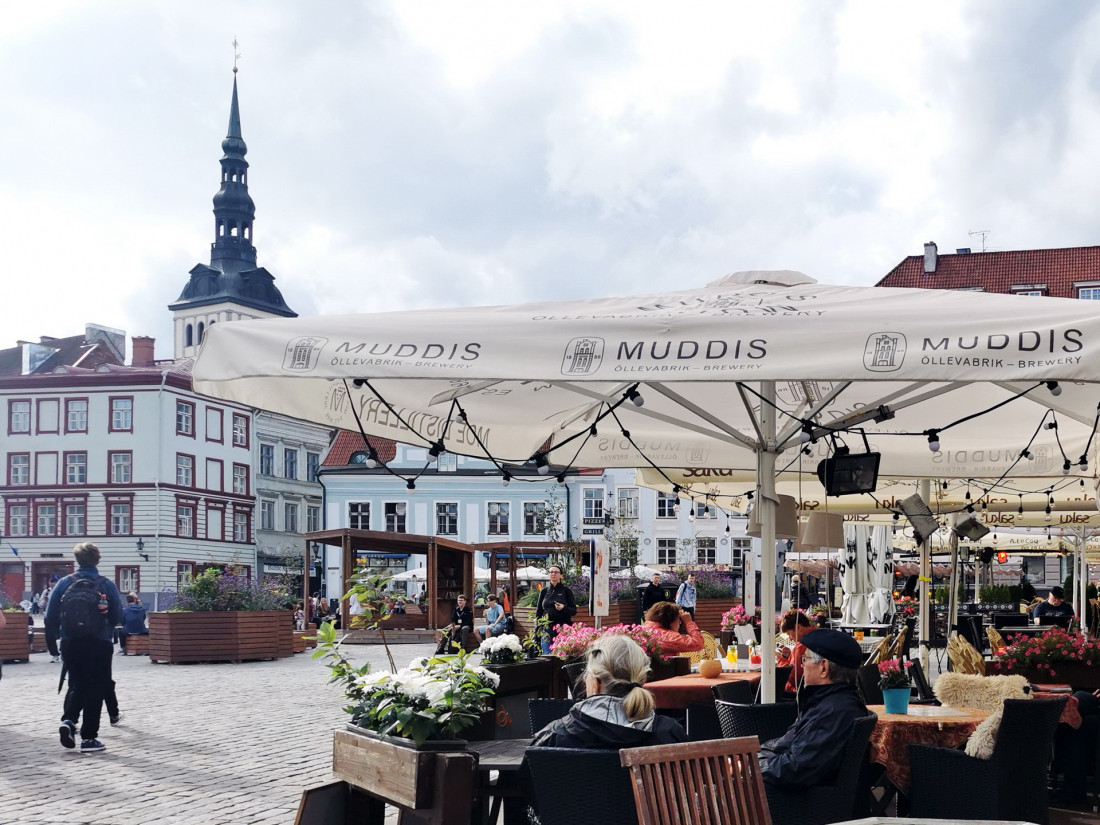
The medieval centre is compact and heavily visited. On the main squares, a main course can easily reach €25–35.
You are paying for location and steady foot traffic. These restaurants are designed primarily for short-stay visitors, and pricing reflects that.
Move two streets away and the atmosphere shifts — and so do the menus. On cruise ship days, terraces in the centre fill up by early afternoon, which makes finding a reasonably priced table more difficult.
2. Coffee Culture
Tallinn takes coffee seriously. Interiors are curated, beans are carefully sourced and baristas know what they are doing. Expect €4 rather than €2, even outside the Old Town. Quality is consistent. So are the prices.
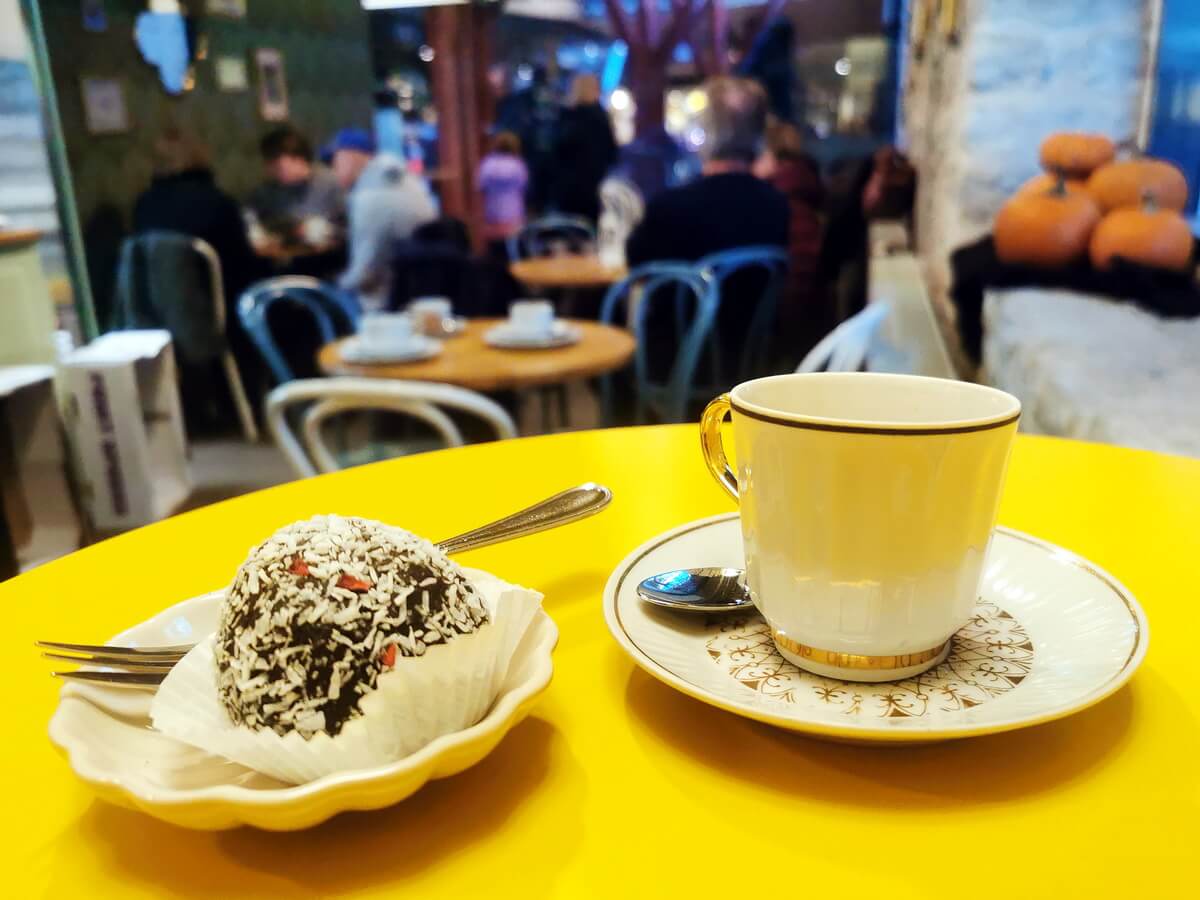
Coffee and a rummipall (a traditional Estonian rum ball) in central Tallinn. In 2026, this small ritual costs around €7–10 — depending on location.
3. Summer Weekends
From June to August, especially during festivals, central pricing feels tighter. Winter weekdays, by contrast, are noticeably calmer and often better value.
4. Boutique Hotels
Tallinn does small design hotels very well. Restored heritage buildings and exposed stone walls come at a premium, particularly in high season.
Where Tallinn Is Surprisingly Affordable
There are quieter savings.
1. Public Transport
Tallinn is small. A €2 ticket covers most journeys and many visitors simply walk. You are not paying for distance here — and official fare details are easy to check on the Tallinn transport website.
2. Tap Water
Tap water is clean and safe. Restaurants serve it without fuss. You do not need to factor in bottled water every day.
3. Museums and Culture
Entry fees between €8 and €15 remain moderate compared to Western Europe. You can see a lot without €30 tickets at every door.
4. Simple Everyday Eating
Casual lunch spots, bakeries and canteens offer solid meals under €12 — especially outside the Old Town.
If you want to understand what typically ends up on the plate, see my → Estonian Food Guide.
How Much Do You Need Per Day in Tallinn?
Excluding accommodation, realistic daily spending looks like this:
Budget traveller: €40–60
(Simple meals, walking, limited paid attractions)
Mid-range traveller: €80–140
(Restaurant dinner, cafés, 1–2 attractions, occasional Bolt ride)
Comfort-focused visitor: €180+
(Design dining, wine, tours, slower pace)
These estimates assume you are staying within central Tallinn and not booking organised day trips outside the city.
Accommodation typically ranges from:
€70–120 for a simple private room
€130–200 for a central mid-range hotel
€250+ for boutique or high-season stays
Keep in mind that July prices differ significantly from November. If you are considering an off-season visit, my → Tallinn in November guide gives a more realistic picture of low-season pricing and atmosphere.
Practical Questions About Prices in Tallinn
Can you pay by card everywhere in Tallinn?
Almost everywhere. Estonia is largely cashless, including public transport and small cafés.
Is food expensive in Tallinn supermarkets?
Not particularly, if you shop outside the Old Town. Large Rimi, Maxima or Lidl stores offer stable everyday pricing.
Is tipping expected in Tallinn restaurants?
Tipping is not mandatory. A 5–10% tip is appreciated for good service, but rounding up is common and perfectly acceptable.
Is alcohol expensive in Tallinn?
In restaurants, yes — especially in the Old Town. In supermarkets, local beer and mid-range wine remain reasonably priced by Northern European standards.
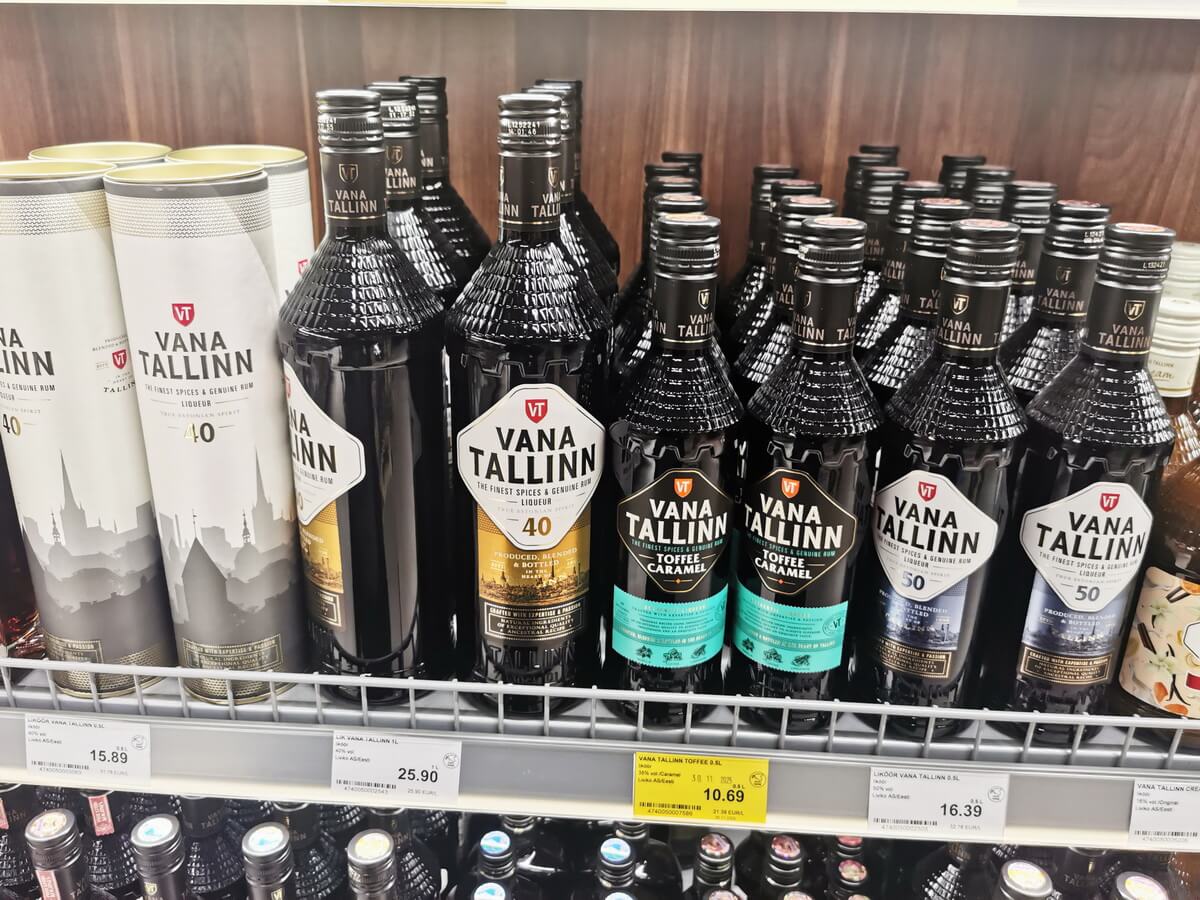
Vana Tallinn on a supermarket shelf. Local liqueur ranges from about €10 to €26 in 2026, depending on size and edition.
Is Tallinn Good Value for Money?
Yes — but not because it is cheap.
Tallinn offers value through walkability, safety, preserved architecture and reliable infrastructure. You can see a great deal in two or three days without complicated logistics or constant transport costs.
What you will not find are ultra-low prices from two decades ago. Estonia has moved on — and prices have moved with it.
For visitors from Scandinavia, the UK or Germany, Tallinn usually feels reasonably priced. For travellers from Southern or Eastern Europe, it may feel moderately expensive.
Expectation management matters more than absolute numbers.
The verdict: So, is Tallinn expensive in 2026? Not in absolute terms — but it is no longer the ultra-cheap city some still imagine. Prices feel measured rather than inflated, especially if you plan with awareness.

