










There is a persistent myth about visiting Tallinn: if you want to afford a decent lunch, you must flee the Old Town.
You can absolutely spend €45.00 on an uninspired dinner around the main square. But turn a corner and you can find excellent food for roughly half that, still surrounded by 14th-century architecture. As someone who tracks real expenses here – right down to keeping this summer’s grocery receipts – I can confirm that your budget depends far less on geography than on knowing which door to open.
Here is what a trip actually costs in 2026 – from coffee and groceries to restaurants, transport, and accommodation – and where you can spend less without fleeing the centre.
In brief
- Coffee: €1.45 (supermarket machine) – €5.50 (specialty café)
- Casual Lunch: €10.00 – €16.00
- Restaurant Dinner: €20.00 – €35.00 per person
- Public Transport: €2.00
- Budget Daily Spend: €40.00 – €60.00 (excluding accommodation)
- Mid-Range Daily Spend: €80.00 – €140.00 (excluding accommodation)
- Comfort-Focused Spend: €180.00+ (excluding accommodation)
For neighbourhoods and city logistics, check my full → Tallinn Travel Guide.
In this guide:
Average Prices in Tallinn (2026)
Supermarkets and Food Shopping in Tallinn
Compared to Other European Cities
Where Tallinn Feels Expensive
Where Tallinn Is Surprisingly Affordable
How Much Do You Need Per Day in Tallinn?
Is Tallinn Good Value for Money?
FAQ
Average Prices in Tallinn (2026)
These are realistic central Tallinn prices – what you will encounter in the Old Town, Kalamaja or around Telliskivi.
A typical day might start with a €2.50 fresh pastry, continue with a €12.00 lunch menu outside the walls, and end with a €30.00 restaurant bill. That is roughly where the city sits in 2026.
Food & Cafés
- Specialty coffee or proper cappuccino: €4.00 – €5.50
- Casual lunch (soup or main + drink): €10.00 – €16.00
- Dinner in a mid-range restaurant: €20.00 – €35.00 per person
- Bakery snack or street food: €3.00 – €8.00
Transport
- Public transport single ticket: €2.00
- Bolt ride within central areas: €5.00 – €10.00 (off-peak; expect €12.00 – €15.00+ during rain or weekend evenings)
- Airport to centre by bus: €2.00
Culture & Attractions
- Museum ticket: €8.00 – €15.00
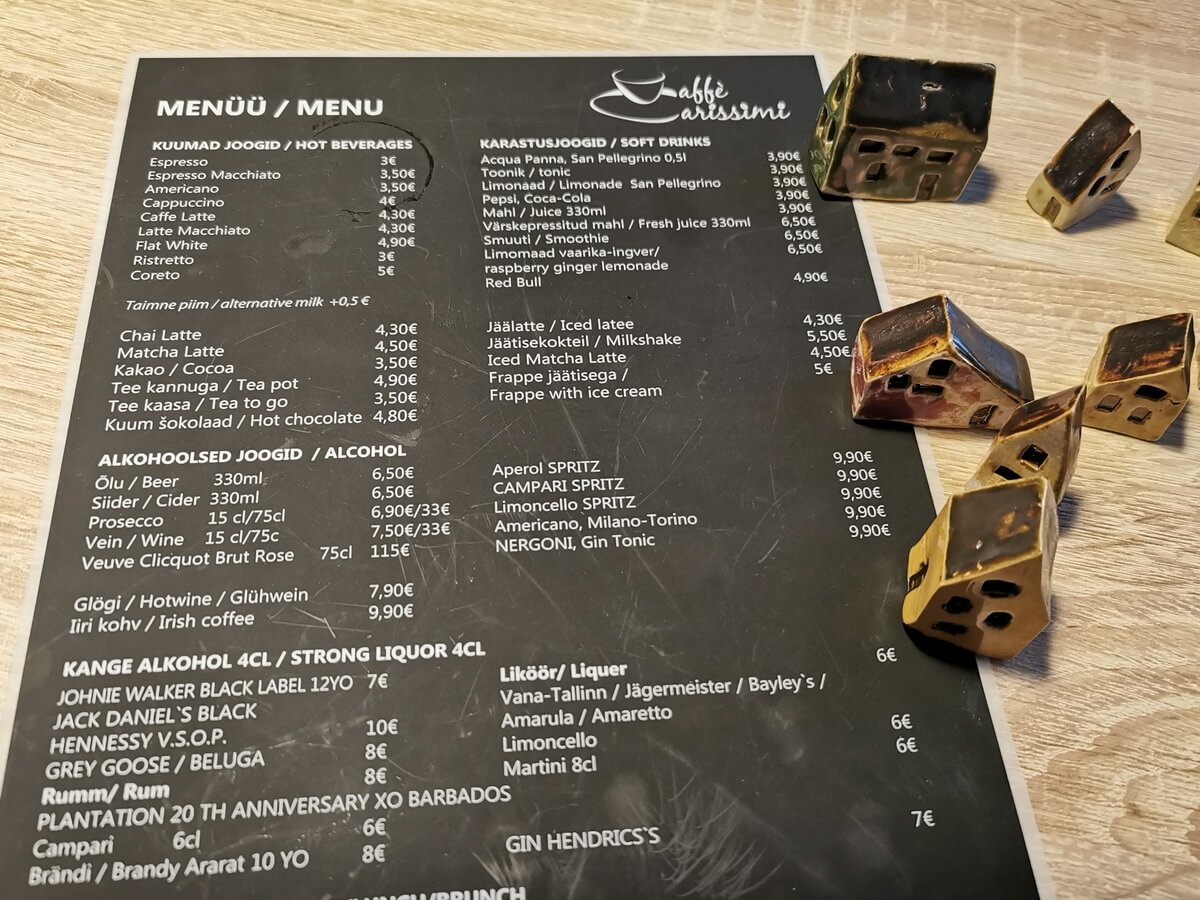
A café menu in Tallinn’s Old Town. With cocktails close to €10.00, your location quietly shapes the bill.
Supermarket basics:
To give you a realistic picture, rather than scraping outdated internet averages, here is what a standard basket looks like based on my own grocery receipts from June 2026:
- 1 litre milk: €1.20 – €1.60
- Rye bread: €1.50 – €3.00
- Eggs (10 pcs): €2.20 – €3.50
- Chicken breast (1 kg): €6.00 – €9.00
- Local cheese (150 g): €1.50 – €2.00
- Butter (200 g): €2.00 – €3.50
- Bananas (1 kg): €1.50
- Tomatoes (1 kg, seasonal): €2.50 – €6.00
My personal average daily grocery run typically comes out to €20.00 – €25.00, though that usually includes household essentials like cleaning supplies alongside food.
Alcohol in supermarkets:
- Local beer (0.5 L): €1.20 – €2.00
- Mid-range Estonian wine: €10.00 – €15.00
- Bottle of Primitivo or basic Bordeaux: €8.00 – €12.00
Supermarkets and Food Shopping in Tallinn
Location matters. Inside the Old Town, you will mostly find smaller “express” stores with limited inventory and higher prices. They are fine for grabbing a bottle of water, but useless for actual grocery shopping. Walk 15 minutes beyond the medieval walls and the receipts change completely.
Large branches of Rimi, Maxima, Selver, and Prisma are where you actually want to go. While Estonia is no longer a cheap grocery destination – food inflation here has been brutal – these chains remain your most rational choice. Stick to domestic products: the dairy and meat aisles are extensive, meaning you can easily pick up good local cheeses and smoked sausages without overpaying.
Lidl offers the lowest absolute prices in the city, but it mostly stocks imported European brands. If you want authentic Estonian products in your fridge, Lidl is the wrong address.
Markets also vary. Balti Jaam Market near the train station is highly Instagrammable and aggressively gentrified. It is perfect for a €5.00 artisan pastry, but if you want the real seasonal harvest, walk over to the less curated, brutalist Keskturg (Central Market). Prices here are actually slightly higher than a standard supermarket, but you are paying for authentic, freshly foraged local produce. In season, this is the place to buy local strawberries, blueberries, lingonberries, and sea buckthorn.
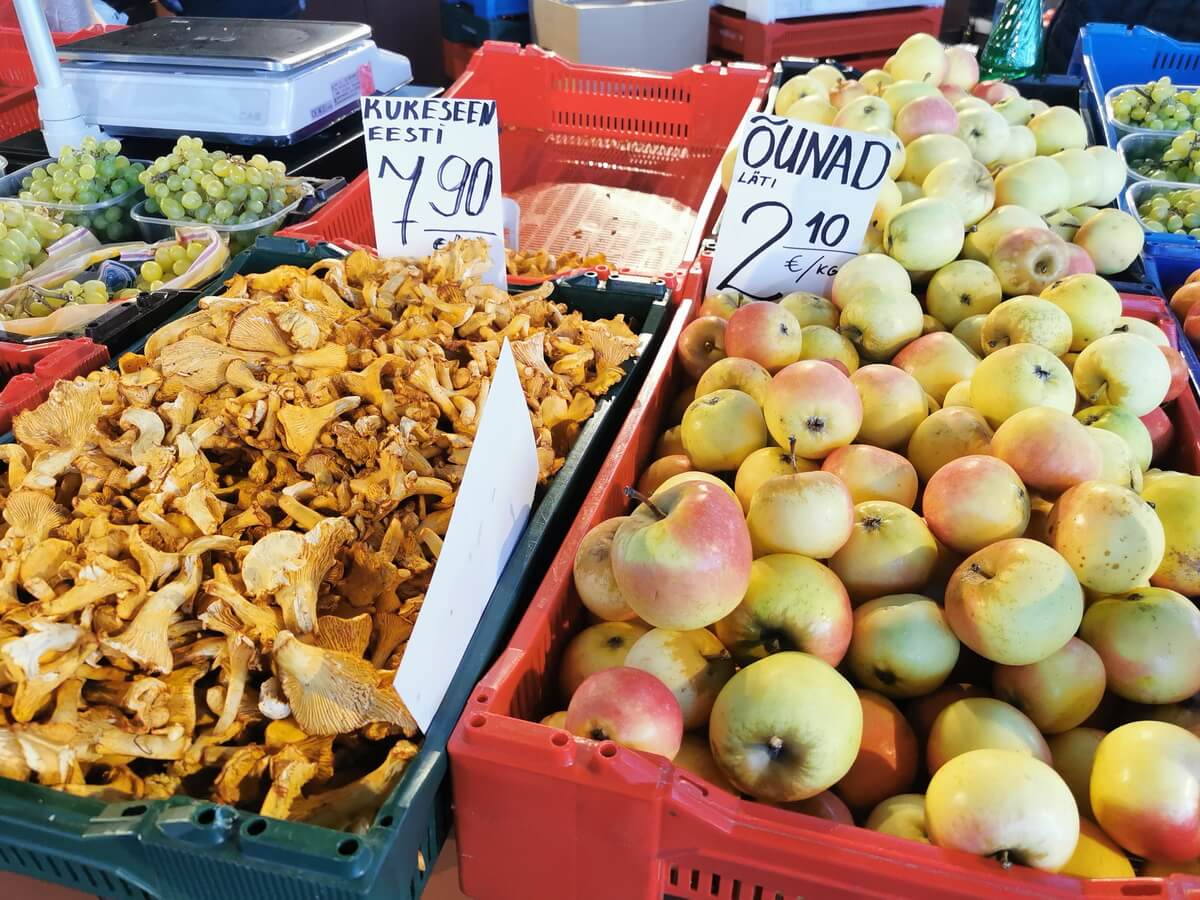
Balti Jaam Market is polished and popular with tourists. Even here, seasonal produce like chanterelles (€7.90/kg) and apples (€2.10/kg) can feel fair.
Choosing the right supermarket can easily save €10.00 – €15.00 per day without changing what you eat. Everyday costs rarely spiral out of control if you know where the locals go.
Compared to Other European Cities
Compared to Helsinki, Tallinn feels noticeably cheaper, especially for dining. This is the traditional reason Finns regularly cross the Gulf on weekend ferries. You will still see them hauling back not just alcohol, but local Estonian cheeses and smoked sausages – even if the price gap between the two capitals is nowhere near as massive today as it was a decade ago.
Compared to Riga, Tallinn is slightly more expensive in cafés and restaurants, though accommodation prices often align in high season.
Compared to Berlin, everyday costs are broadly similar. Berlin still offers more ultra-budget dining options.
Compared to Stockholm, Tallinn is significantly more affordable across most categories.
Where Tallinn Feels Expensive
1. Old Town Restaurants
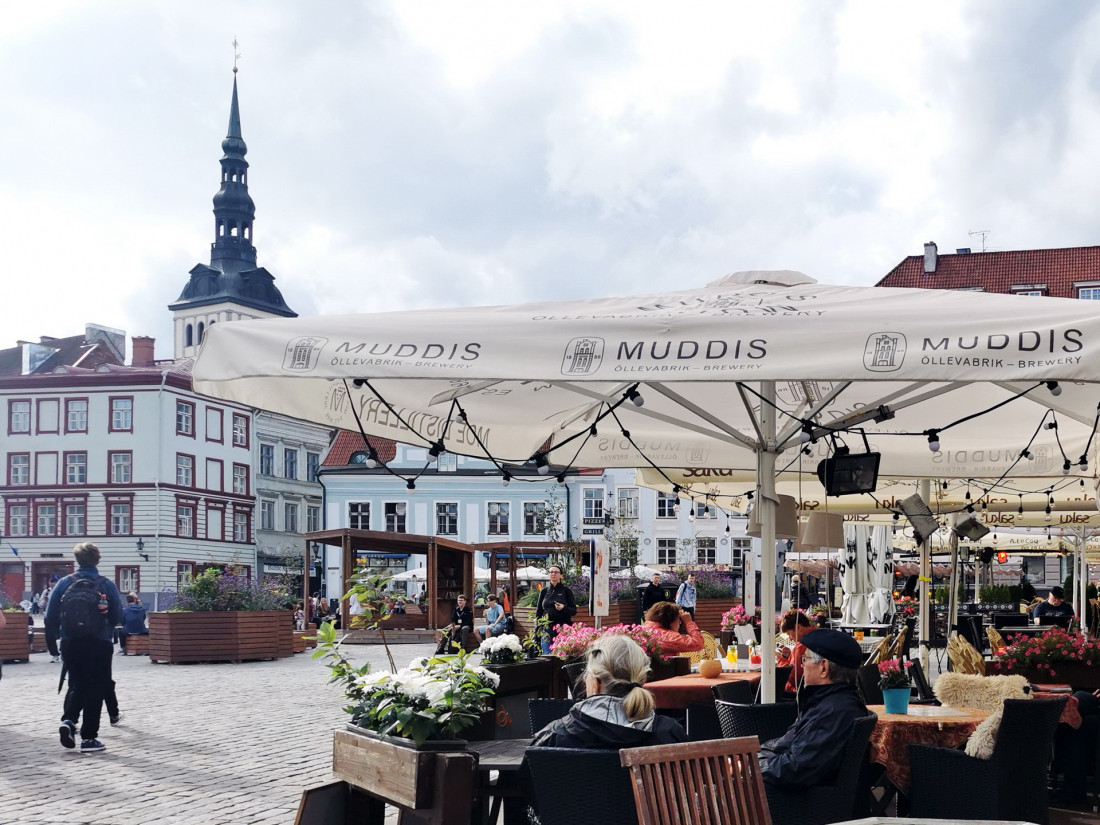
The medieval centre is compact and heavily visited. If you sit at a large terrace directly on the main square, a main course can easily reach €25.00 – €35.00. You are paying purely for prime location and steady foot traffic.
But the best reasonably priced spots in the Old Town rarely have large street-facing windows. Tallinn is a city of cellars and courtyards. If you see a subtle staircase leading down into a vaulted basement or a small archway opening into a hidden courtyard, take it. These tucked-away bistros and cafes rely on return visitors rather than foot traffic, meaning the prices stay grounded and the quality remains high.
The ultimate proof of this is right on the main square itself. You can stand next to a €30.00 tourist terrace, push open a heavy wooden door into the actual Town Hall building – the sign above it is so discreet most people walk right past it – and buy a bowl of hearty lentil soup and a pastry for under €6.00. This is exactly what I mean by knowing which door to open.
If you are staying for a month, walking 15 minutes to Kalamaja to drop your lunch bill makes perfect sense. But for a short trip, simply looking past the obvious street facades is usually enough to find a reasonably priced table without sacrificing the medieval atmosphere.
2. The €5.00 Cappuccino
The idea that you can get cheap café coffee here is dead. A proper, high-quality cappuccino – matching Italian standards – now easily hits €5.00. This is essentially Helsinki pricing. If you want decent roasts served in a ceramic cup at a table, you are paying a heavy premium for the atmosphere.
3. Summer Weekends and Events
From June to August, Tallinn operates on a different economic scale. Accommodation is where you will feel the sharpest spike: a mid-range hotel room that costs €70.00 on a quiet November Tuesday can easily double during a sunny July weekend or when a major concert hits the Song Festival Grounds.
Restaurant menus do not physically change their prices for the summer, but your dining budget will likely increase anyway. With cruise ships in port and terraces packed, walk-in tables at reasonably priced bistros disappear fast, often leaving you with no choice but to settle for a more expensive, tourist-heavy spot simply because they have an open chair.
4. Boutique Hotels and Heritage Stays
Tallinn does small design hotels exceptionally well, particularly within the medieval walls. However, sleeping under 15th-century wooden beams or next to exposed limestone walls comes with a steep markup.
If you want the meticulous Hanseatic aesthetic, expect to pay €200.00 – €300.00+ per night in high season. It is also worth remembering that because these are strictly protected heritage buildings, you are often paying that premium for the historical atmosphere rather than modern square footage or large elevators.
Where Tallinn Is Surprisingly Affordable
You do not need complex budget hacks for everything. Some parts of a Tallinn trip are simply reasonably priced by default.
1. Apartments and Self-Catering
The math here is straightforward. When a standard restaurant dinner for two with a few drinks easily clears €70.00, booking a short-term rental with a kitchen effectively pays for itself. This is where the supermarket advice genuinely pays off.
Given the massive selection of local dairy, smoked sausages, and rye bread in stores like Rimi or Prisma, putting together a high-quality evening spread with a €12.00 bottle of wine is not a budget compromise – it is often a far more relaxed evening than fighting for space on a loud, crowded Old Town terrace. If you are staying for more than a weekend, skipping the €15.00 hotel breakfast and keeping groceries in your own fridge is the single most effective way to control your costs.
2. Neighbourhood Bakeries
If you want a sit-down experience without the €25.00 brunch bill, skip the trendy cafes and look for a local bakery (pagariäri or pagarikoda). They are completely unpretentious and remain one of the best budget options in the city. You can get a basic black coffee and a traditional pastry – like a hearty meat pie (lihapirukas) or a curd pocket (kohupiimatasku) – for around €5.00 to €6.00 in total.
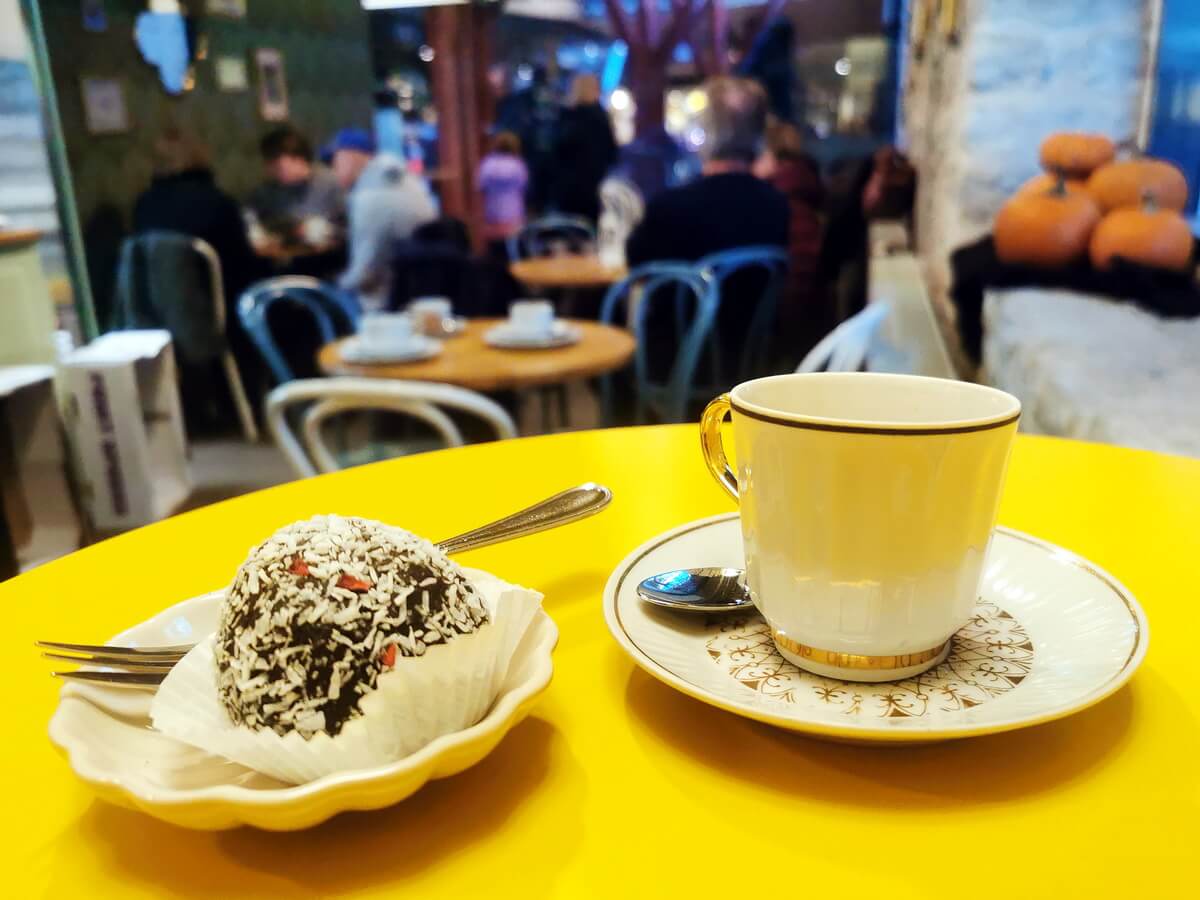
A standard coffee paired with a rummipall (a traditional Estonian rum ball). This classic local combination is an everyday staple in neighbourhood bakeries across the city.
3. Supermarket Machine Coffee
If €5.00 café prices are eating your budget, supermarket machines are the obvious alternative. A takeaway cappuccino from a machine in Prisma – usually located right next to the bakery section – costs €1.45. It uses Paulig beans and is surprisingly drinkable.
Rimi is the other viable option. If you bring your own travel mug, you get a 20% discount at the self-checkout by pressing the “oma tops” button, which drops their coffee down to a similar price point.
Both options are vastly superior to the standalone street vending machines scattered around the city, which generally dispense thin, sugary slop for €2.50. You will also see branded Costa Coffee machines inside Selver supermarkets, but at over €2.50 a cup, they entirely defeat the point of skipping a real café.
4. Public Transport
Tallinn’s centre is extremely walkable, so you might barely use transport at all. But when you do need a tram or bus, the system is refreshingly simple. You do not need to figure out complex zoning or buy expensive tourist passes. You can simply tap your contactless bank card at the validator by the front door for a €2.00 ticket, which covers you for a full hour.
5. Tap Water
Estonian tap water is perfectly safe and widely consumed. While some tourist-heavy restaurants might implicitly guide you towards a €4.00 bottle of imported sparkling water, you can always confidently ask for tap water. Most places provide it for free, or occasionally charge a nominal €1.00 for a large carafe.
6. Museums and Culture
Compared to London or Amsterdam, cultural entry fees here will not ruin your budget. Standard city museums, medieval towers, and smaller galleries typically charge between €8.00 and €15.00. Only the largest, most spectacular complexes – like the Seaplane Harbour (Lennusadam) or Kumu Art Museum – creep closer to €20.00, which is still excellent value for the scale of the exhibitions.
And if your holiday rituals include mailing physical greetings home, make sure to factor in international postage rates – you can check my practical breakdown on how to send a postcard from Tallinn for current stamp prices and street box locations.
How Much Do You Need Per Day in Tallinn?
Excluding accommodation, realistic daily spending in 2026 breaks down into three clear categories:
- Budget Traveller (€40.00 – €60.00 per day): Covers a bakery breakfast, a weekday lunch special (päevapraad), assembling a high-quality supermarket spread for dinner in your apartment, walking the city, and one paid museum or tower entry.
- Mid-Range Traveller (€80.00 – €140.00 per day): Covers specialty coffee with a pastry, a proper sit-down lunch, a two-course restaurant dinner with wine or beer, 1 – 2 paid attractions (like Lennusadam or Kumu), and the occasional Bolt ride.
- Comfort-Focused Visitor (€180.00+ per day): Covers fine dining or curated tasting menus, boutique wine bars, private guided tours, regular taxi rides, and zero concern for off-peak pricing.
These estimates assume you are staying within central Tallinn and exploring independently rather than booking guided day excursions outside the city.
Accommodation typically ranges from:
- €70.00 – €120.00 for a clean, private studio or budget room
- €130.00 – €200.00 for a standard, central mid-range hotel
- €250.00+ for heritage boutique hotels or peak summer weekend stays
Keep in mind that July prices differ significantly from late autumn. If you are considering an off-season trip, my → Tallinn in November guide gives a practical overview of low-season pricing, hotel deals, and overall atmosphere.
Is Tallinn Good Value for Money?
Yes – because it offers value through walkability, safety, preserved architecture and reliable infrastructure. You can see a great deal in two or three days without complicated logistics or constant transport costs.
For visitors from Scandinavia, the UK or Germany, Tallinn usually feels reasonably priced. For travellers from Southern or Eastern Europe, it may feel moderately expensive. Your personal baseline and expectations matter much more than the final numbers on the receipt.
What You Need to Know Before You Go
Do you need cash in Tallinn, or can you pay by card everywhere?
Estonia is largely cashless. You can pay with a contactless card or phone almost everywhere – you can even tap your bank card to use most public toilets. However, keeping €10.00 – €20.00 in cash is still highly recommended if you plan to buy seasonal berries at local markets (like Keskturg), leave small tips, or use older coin-operated lockers.
Is the Tallinn Card worth buying?
It depends entirely on your pace. The card is available for 24, 48, or 72 hours. A 24-hour adult pass is €45.00, while a 48-hour pass is €65.00. If you plan to visit at least three major paid attractions in a single day (like Lennusadam, Kumu Art Museum, and the TV Tower) and use public transport, it easily pays for itself. For a weekend, the 48-hour card becomes cost-effective if you hit around 4 – 5 attractions. However, if you prefer a leisurely trip of walking the medieval streets and café-hopping, skip the pass and pay individual entry fees as you go.
What time do alcohol sales stop in Tallinn supermarkets?
By Estonian law, retail stores and supermarkets can only sell alcohol between 10:00 and 22:00. Supermarket cash registers automatically lock down alcohol scanning at 22:00 sharp. If you want supermarket-priced beer or wine for the evening, buy it before 22:00 – otherwise, your only option will be paying full price at a bar.
Should I use Bolt or Uber in Tallinn?
Bolt is the undisputed king of ride-hailing in Estonia (it was founded here). While Uber technically operates in Tallinn, you will find far fewer cars available, meaning longer wait times and often higher prices. Just download the Bolt app.
Is tipping expected in Tallinn restaurants?
Tipping is not mandatory in Estonia. Leaving a 5 – 10% tip for good service or simply rounding up the bill at sit-down restaurants is common and appreciated, but never automatically added to your bill.

