











Mosquitoes in Estonia are nowhere near the legendary swarms of Lapland, but your experience still depends heavily on your itinerary. Visitors staying in Tallinn usually survive with little more than mild annoyance. June hikers deep in forests and peat bogs, however, tend to develop very strong opinions about insect repellent very quickly.
In brief
Mosquito risk by travel style:
- Weekend in Tallinn: Usually minor
- Open beaches with sea breeze: Often comfortable
- Forests and inland parts of the islands: Can be surprisingly bad
- Forest hiking after rain: Bring repellent
- Bog hiking in June: Peak mosquito country
- Wild camping during white nights: This is where people start talking about “spacesuits”
How Bad Are They, Really?
First off, you can leave the malaria pills at home. Estonian mosquitoes do not carry dangerous diseases – they are strictly a nuisance (unlike ticks, which you actually need to watch out for).
Beyond that, the experience is entirely subjective. Some visitors act as mosquito magnets even when the air is mostly clear. For some, a bite stops itching in an hour; for others, it lasts for days.
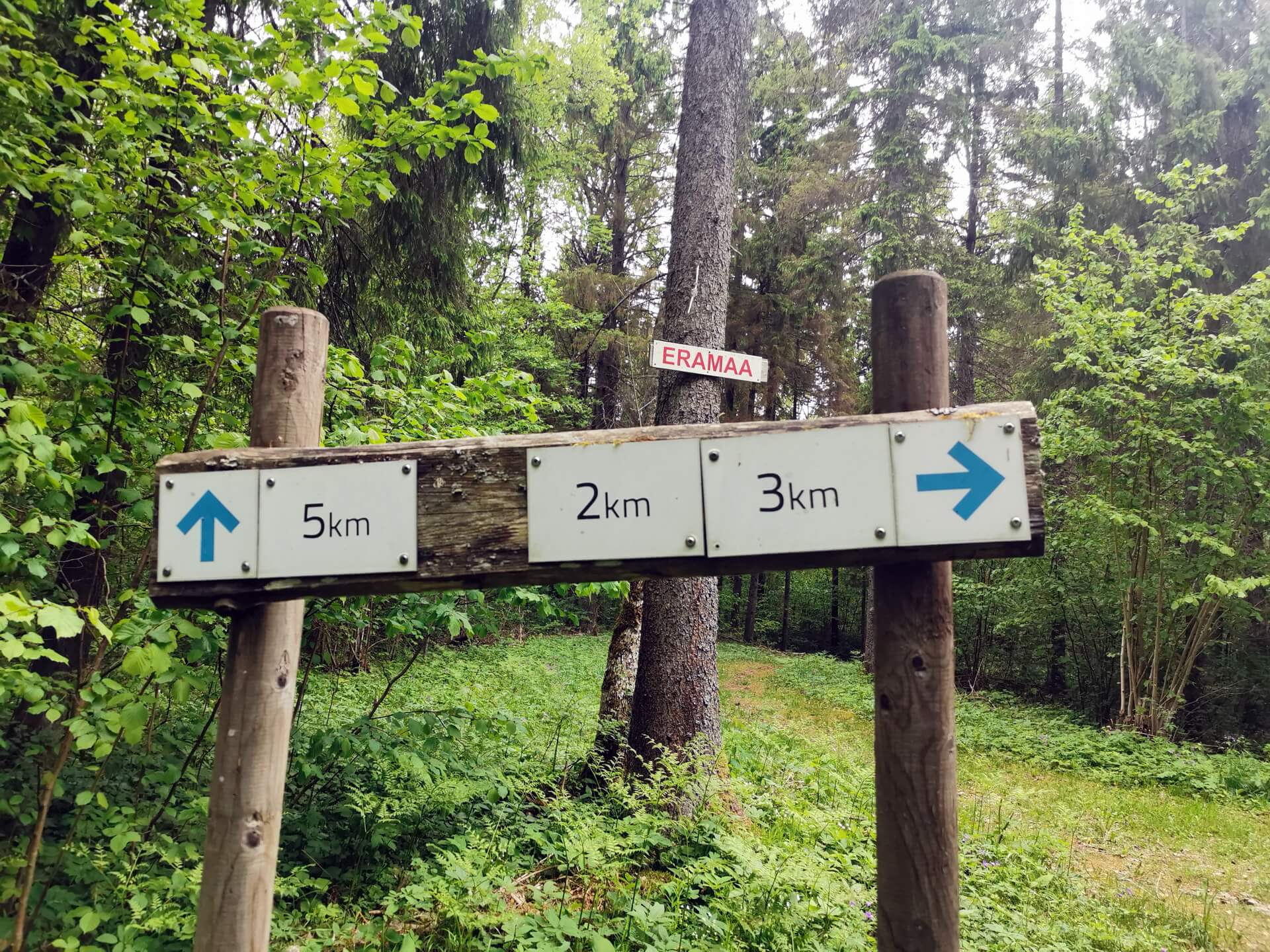
A perfectly ordinary Estonian forest trail — and exactly the kind of place where mosquitoes can quietly eat you alive by June.
The Summer Mosquito Calendar
The bugs follow a fairly predictable schedule:
May: The first bugs appear, but they are sluggish and mostly a minor nuisance.
June: The absolute peak season in forests and wetlands.
July: Still highly active. Heavy summer rains followed by heat will cause temporary spikes.
August: Calmer near the cities, but still active in the countryside and forests.
September: The first night frosts usually end the season entirely.
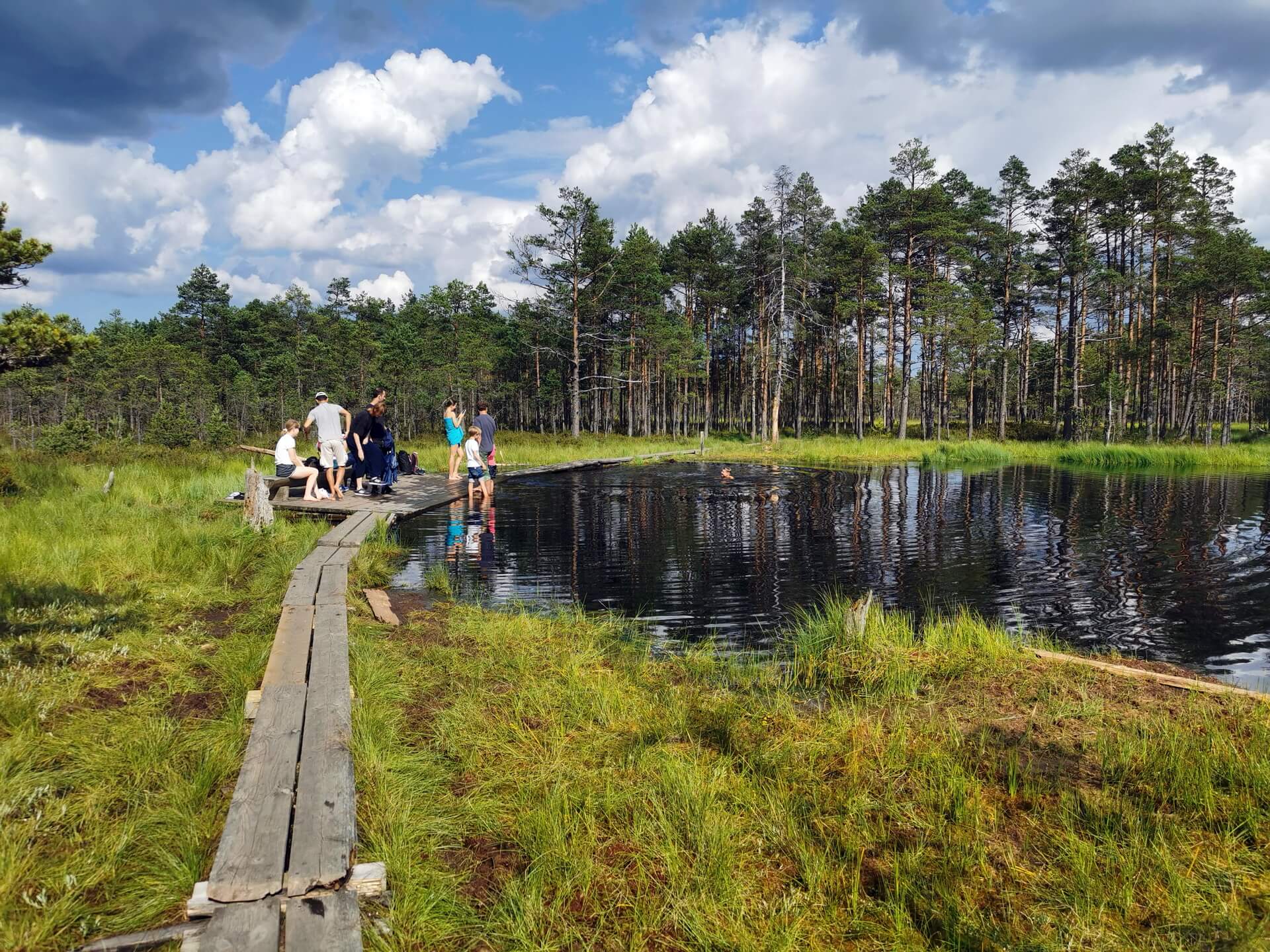
Bog pools can feel almost mosquito-free under strong summer sun. The illusion usually lasts until the first cloud arrives.
The “White Nights” Effect
In late June, dusk lasts from 22:30 until 03:00. Locals and tourists naturally stay outdoors longer to enjoy the light. This means you are spending much more time in the mosquitoes’ natural environment during their peak active hours. It makes the season feel more intense simply because you are outside more often.
Where Mosquitoes Are Worst
Estonia is a country of contrasts. A short drive can drastically alter your insect experience.
Bogs and Wetlands: National parks like Soomaa or isolated boardwalks like the 9 km trail at Marimetsa raba are stunning, but the stagnant water makes them definite mosquito hotspots by mid-summer.
Lake Shores: The reeds around inland lakes hide heavy populations.
Inland Forests: The ancient forests of South Estonia trap humidity and block the wind.
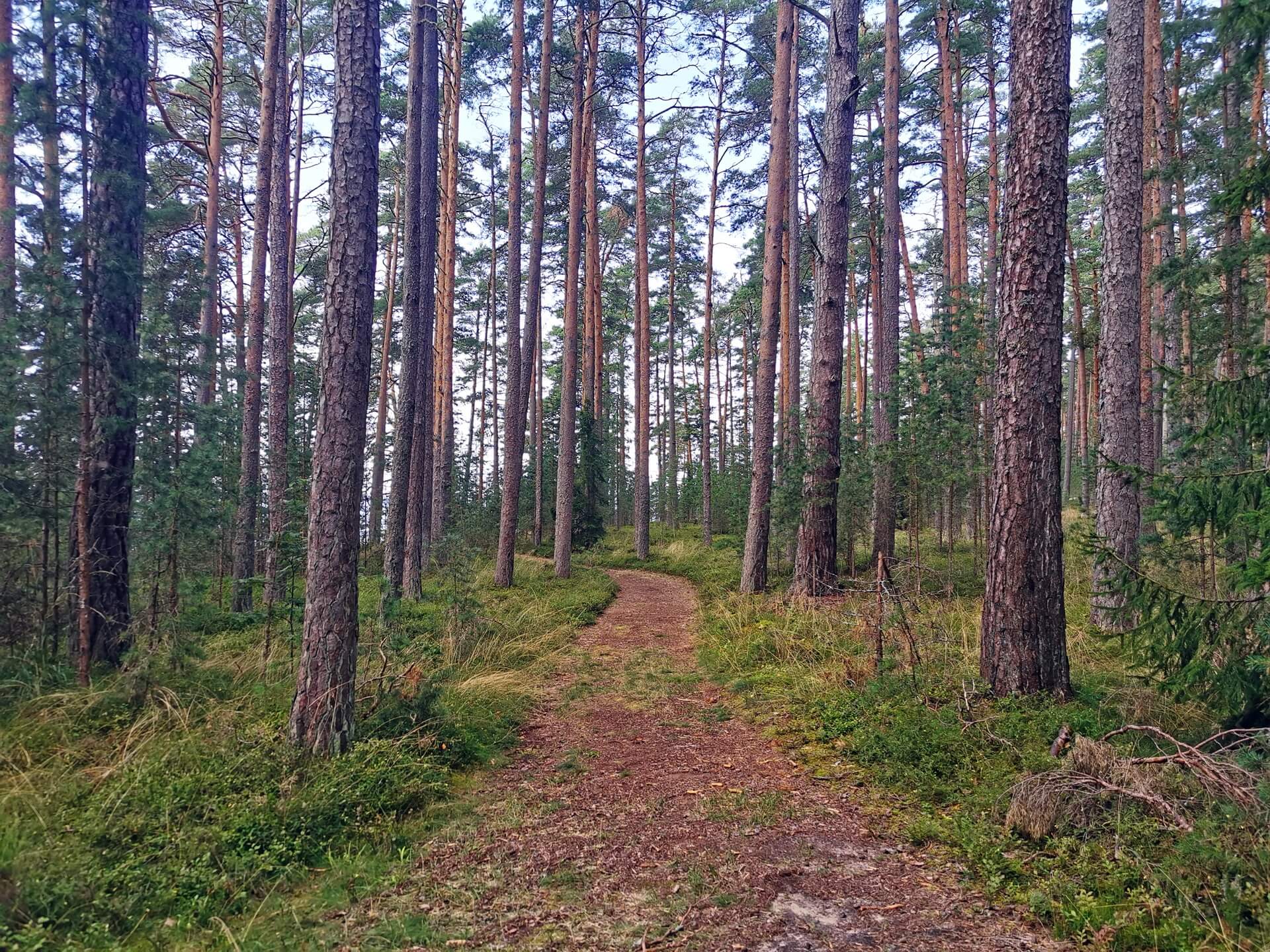
Some of Estonia’s quietest pine forests come with a background soundtrack of mosquitoes by mid-summer.
The Coastal Myth
Many travel guides claim North Estonia and the coast are completely mosquito-free. This is not strictly true.
If you are standing directly at the water’s edge with a strong sea breeze, you are safe. But step a few metres inland into the warm, sweet-smelling dune grass or the nearby pine forests, and they will find you.
On completely still evenings, you may even notice them while swimming in the Baltic, something to keep in mind when packing for islands like Naissaar or Prangli.
Are Mosquitoes Bad in Tallinn?
This is a common question from city-breakers. The answer is: it is highly manageable.
The medieval Old Town, with its stone streets, is mostly clear. You can comfortably dine outside in the Town Hall Square. However, if you venture into the lush avenues of Kadriorg Park or sit near the water at twilight, you will notice them.
A common local sight is people sitting outside cafes, casually and quietly slapping their ankles every few minutes. It is simply a normal part of the urban summer rhythm.
Midsummer Bonfires vs. Mosquitoes
One moment when tourists notice Estonian mosquitoes most vividly is during Jaanipäev (Midsummer). The holiday combines bonfires, forests, white nights, and hours spent outdoors until dawn. It is no accident that smoke from the midsummer fires also works as a remarkably effective traditional insect repellent.
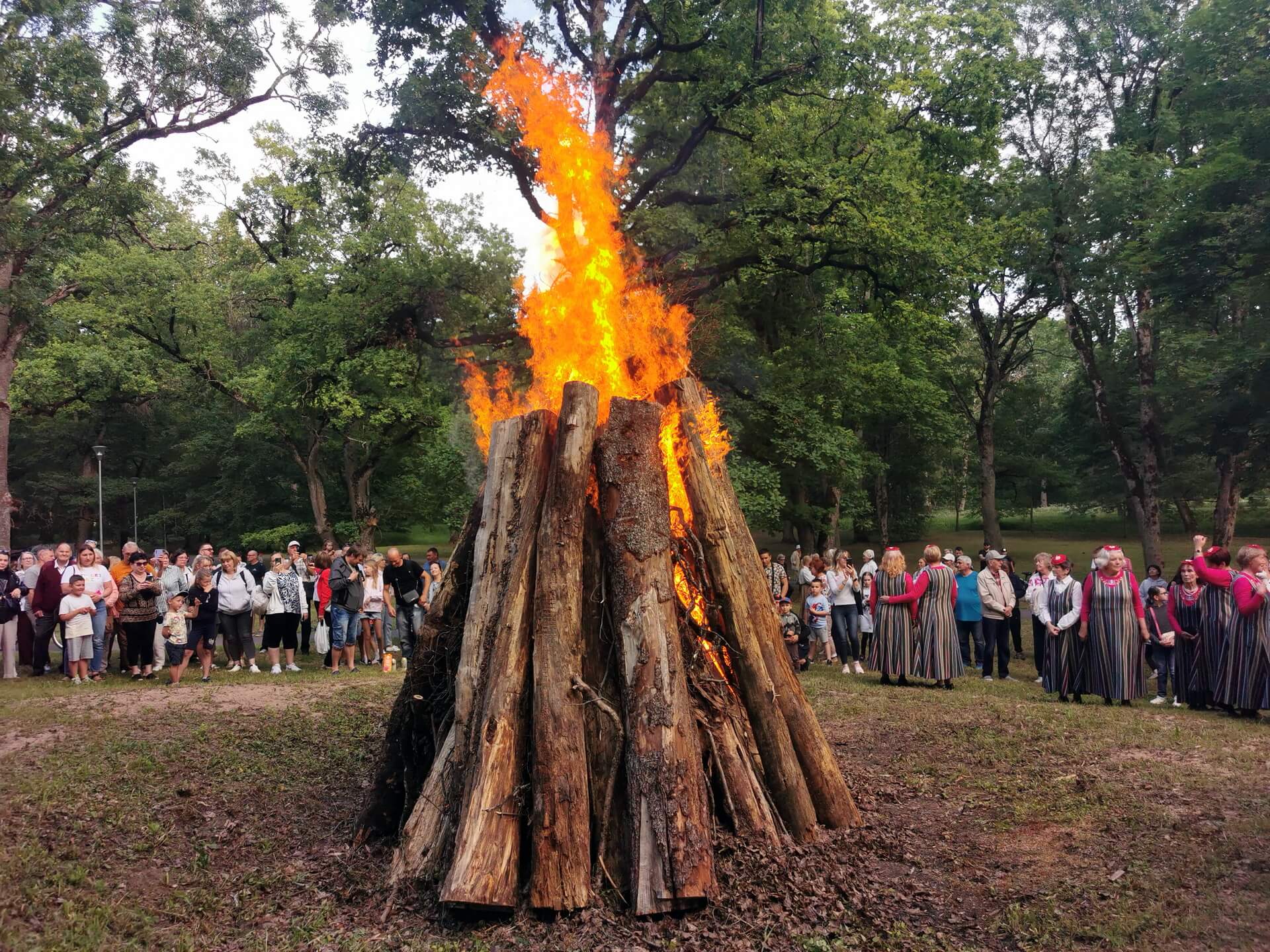
By late evening, the smoke from Estonia’s giant midsummer bonfires starts feeling less symbolic and more strategically useful.
How Locals Deal With Them
Estonians have a pragmatic approach to summer insects. When packing, consider these methods:
Natural Oils First: Many locals prefer natural remedies for everyday use. Lavender oil, tea tree oil, and citronella are very popular for garden parties and mild urban evenings.
Chemical Repellents: If you are hiking deep into a bog in late June, natural oils might not be enough. For heavy wilderness exposure, locals and seasoned hikers keep a spray with DEET or Icaridin on hand. You can easily buy local brands like Plix or Bros in any Estonian supermarket (Selver, Rimi, Maxima) or pharmacy (apteek).
Clothing: A thin, long-sleeved shirt and loose, light-coloured trousers are your best physical barrier. Insects become far more noticeable near lakes and wet grass after sunset, and they are naturally drawn to dark colours.
Sea breeze: Wind matters more than expensive sprays.
Aftercare: Even with precautions, bites happen. Pack an antihistamine cream or gel, as some people react much more strongly to bites than they expect after long evenings outdoors.
Are There Ticks Too?
Yes. While mosquitoes are loud and annoying, ticks are the actual travel safety issue.
Estonian forests and areas of tall grass have high tick populations that can carry Tick-Borne Encephalitis (which many locals are vaccinated against) and Lyme Disease.
Standard mosquito sprays do not work against ticks, so check labels carefully if you plan extensive hiking or camping.
For most travellers, however, heavy repellents are unnecessary. Sticking to the trails and doing a thorough full-body tick check – paying special attention to behind the knees and behind the ears – after spending time in forests or tall grass is entirely sufficient.
The Window Screen Warning
A quick warning about your accommodation: window screens (mosquito nets) are surprisingly uncommon in Estonia, particularly in older buildings, city apartments, and countryside guesthouses. Leaving your window wide open with the room lights on during a warm June evening is a rookie mistake that will fill your room with unwanted guests in minutes. If you need fresh air at night, always switch off the lights before opening the window.


