










When visiting Tallinn, crime is rarely the thing that requires the most attention. Weather, darkness, crowded Old Town streets and late-night transport are far more relevant to everyday safety. Here are the risks I would actually watch out for.
For a broader look at the city – from neighbourhoods to transport and seasonal planning – see my Tallinn Travel Guide.
How Safe Is Tallinn Overall?
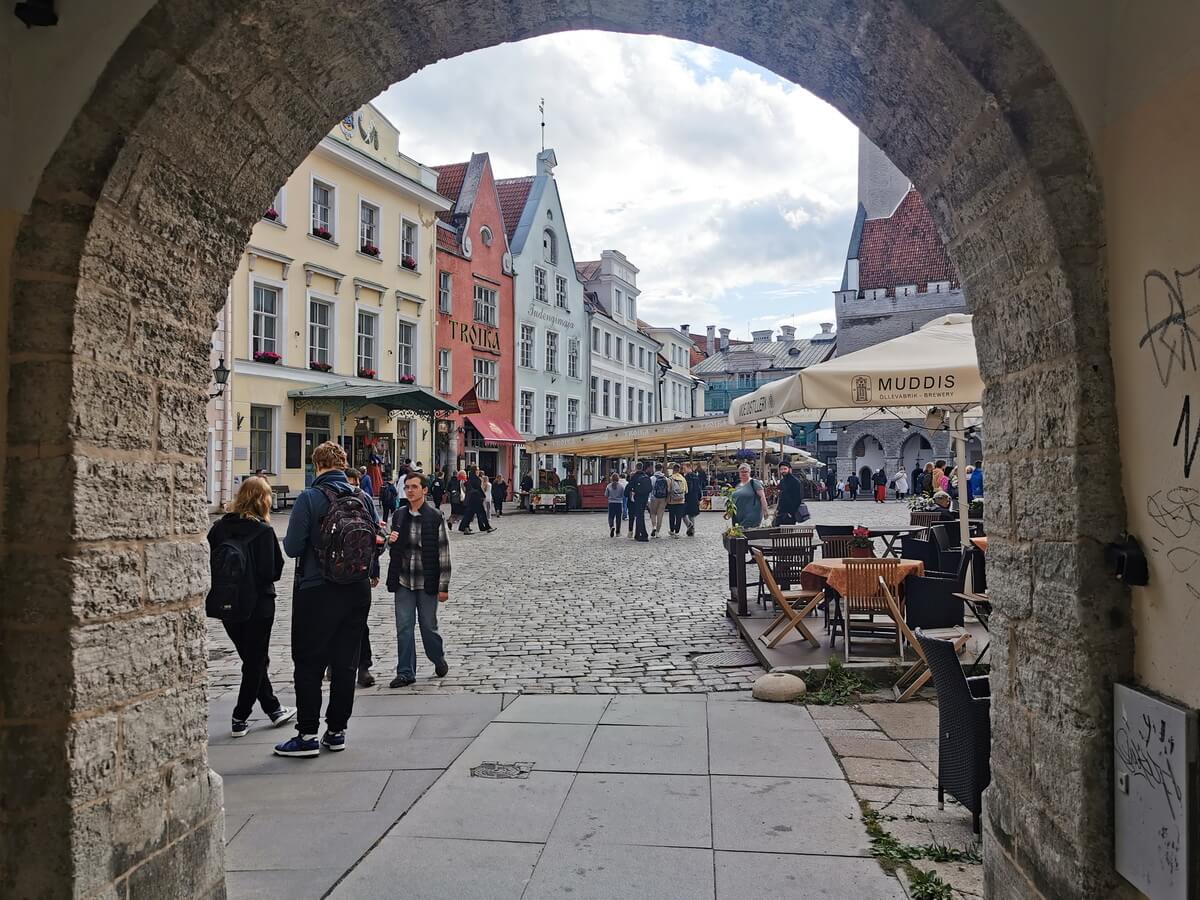
The Town Hall Square is Tallinn’s busiest hub – lively, but rarely chaotic.
Tallinn has low levels of serious crime, and most visitors experience the city as calm and easy to navigate.
You are unlikely to encounter aggressive street scams or persistent unwanted attention. The more common problems are mundane – tourist traps, slippery streets and the occasional rowdy drinker.
What Are the Real Risks in Tallinn?
- Winter ice: Between November and March, sharp temperature drops turn melted snow into invisible black ice. The Old Town’s sloped cobblestones can become particularly slippery after a freeze-thaw cycle. Watch your footing at all times.
- Falling ice: Snow and icicles can fall from roofs during freeze-thaw periods. Never walk underneath warning tape around a building. Falling ice from rooftops can cause serious injuries.
- Ticks in green spaces: Tallinn is a very green city. If you visit Kadriorg Park, the Open Air Museum, or walk on unpaved trails in summer, remember that ticks here can carry Lyme disease and tick-borne encephalitis. A routine tick check after walking through nature is a practical necessity. See my guide on surviving mosquito and tick season in Estonia.
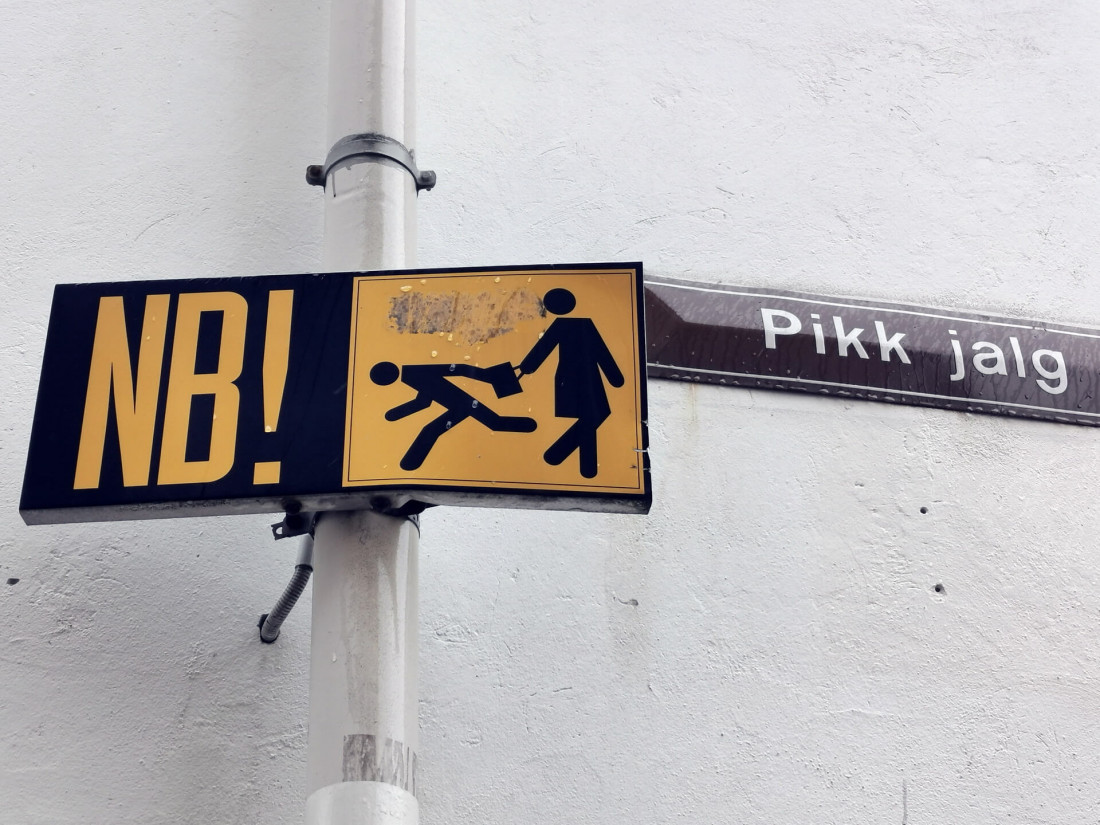
- Pickpockets: Pickpockets are uncommon, but crowded public transport, cruise-ship days and busy souvenir shops are the places to pay a little more attention to your belongings.
- E-scooters: Rental e-scooters are common around central Tallinn. Watch for them when crossing cycle lanes or shared pedestrian areas, and keep an eye out for parked scooters blocking the pavement.
- Alcohol and nightlife: Alcohol is the main catalyst for any local social friction. If a bar crowd turns loud or aggressive, simply pay your tab and leave.
Is Tallinn Safe at Night?
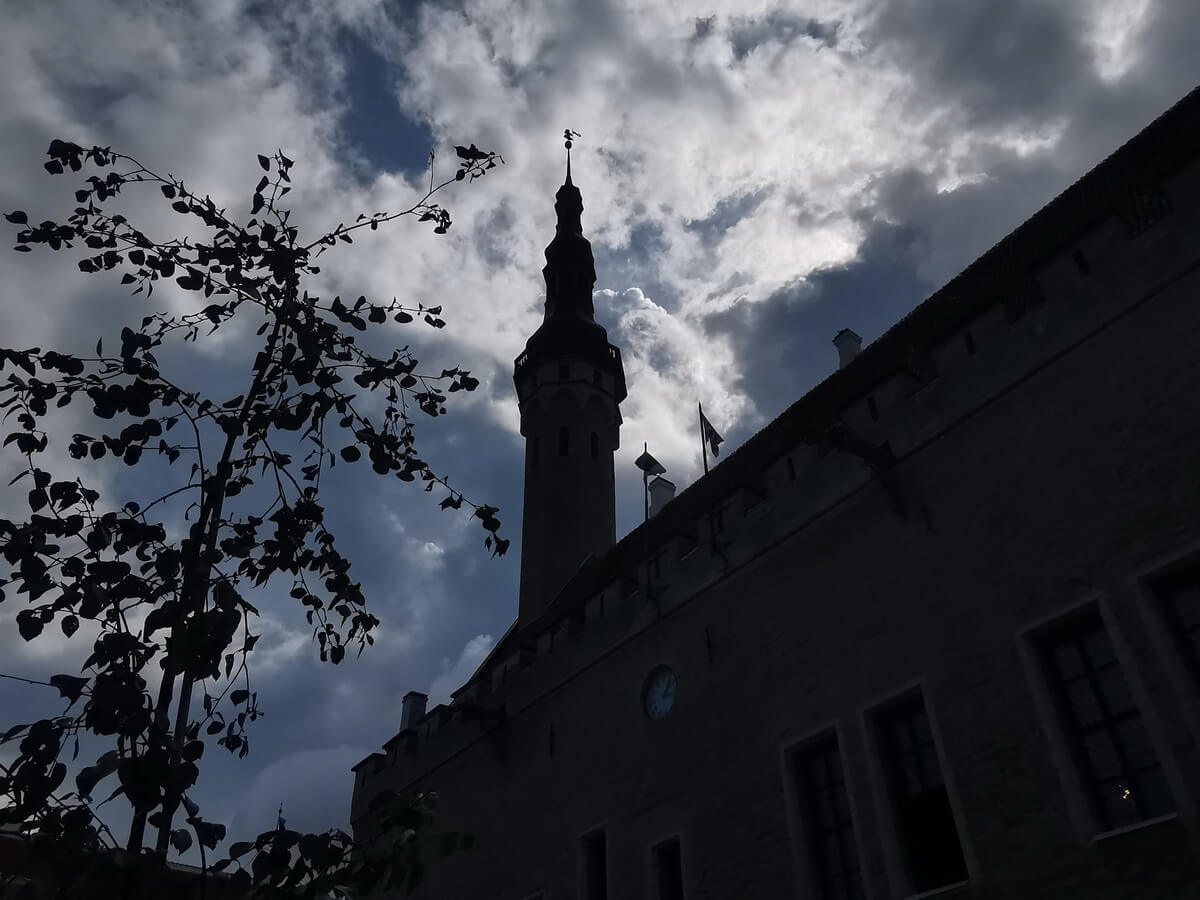
After dark, parts of the city become noticeably quieter – sometimes almost too quiet
Main streets in the Old Town and central business district are generally well lit and comfortable to walk along.
However, one local quirk is how early the city can “switch off.” Outside of weekend party zones, streets empty out by 21:00 or 22:00 (even earlier in winter). The sudden silence means you can often hear your own footsteps echoing through the streets – a surprisingly abrupt shift for a European capital.
Outside the city centre, the street lighting drops noticeably, making a Bolt ride the most practical option for getting back to your accommodation.
Which Areas Feel Less Comfortable at Night?
Tallinn has no neighbourhoods that tourists generally need to avoid altogether, but lighting, density and architecture can change how comfortable an area feels after dark.
Old Town
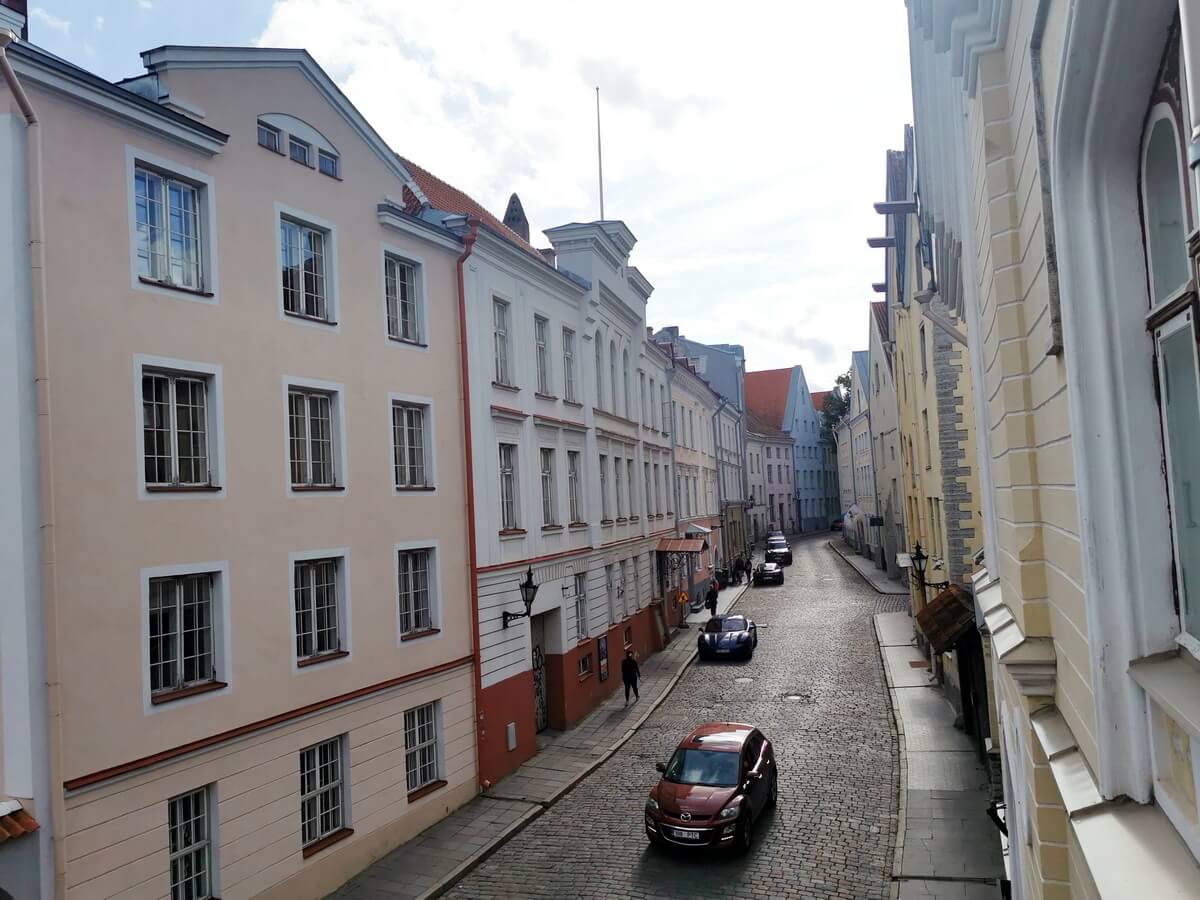
Away from the main squares, much of the Old Town is dedicated to quiet hotels, galleries, and institutions. These streets stay largely removed from the weekend hustle.
Even in the Old Town, many streets feel calm and residential rather than crowded or overwhelming. In summer, daytime cruise crowds are often more noticeable than nightlife.
Kadriorg
This affluent, historical park district is beautiful by day. By night, it is much darker and quieter. The sheer emptiness of the massive park can feel isolating if you are walking alone.
Lasnamäe and Kopli
Kopli has undergone massive regeneration, turning from a rough industrial zone into a trendy, rapidly evolving neighbourhood. Lasnamäe is a sprawling district of brutalist Soviet-era concrete apartment blocks. The discomfort here is visual rather than physical. After dark, the sheer scale of the environment and the lack of street-level cafes can make these districts feel stark and isolating.
Is Tallinn Safe for Solo Female Travellers?
Yes. Street harassment is not something most visitors encounter regularly, and personal space tends to be respected. You can dine solo, read in a cafe, or wait for transport without unwanted attention.
What if you look different?
Estonia is relatively homogeneous by European standards, and some visitors from visibly diverse backgrounds may notice more staring than they are used to, particularly outside the central tourist areas or among older generations. This is rarely accompanied by open hostility, but the attention can become tiring over time.
Getting Around Safely
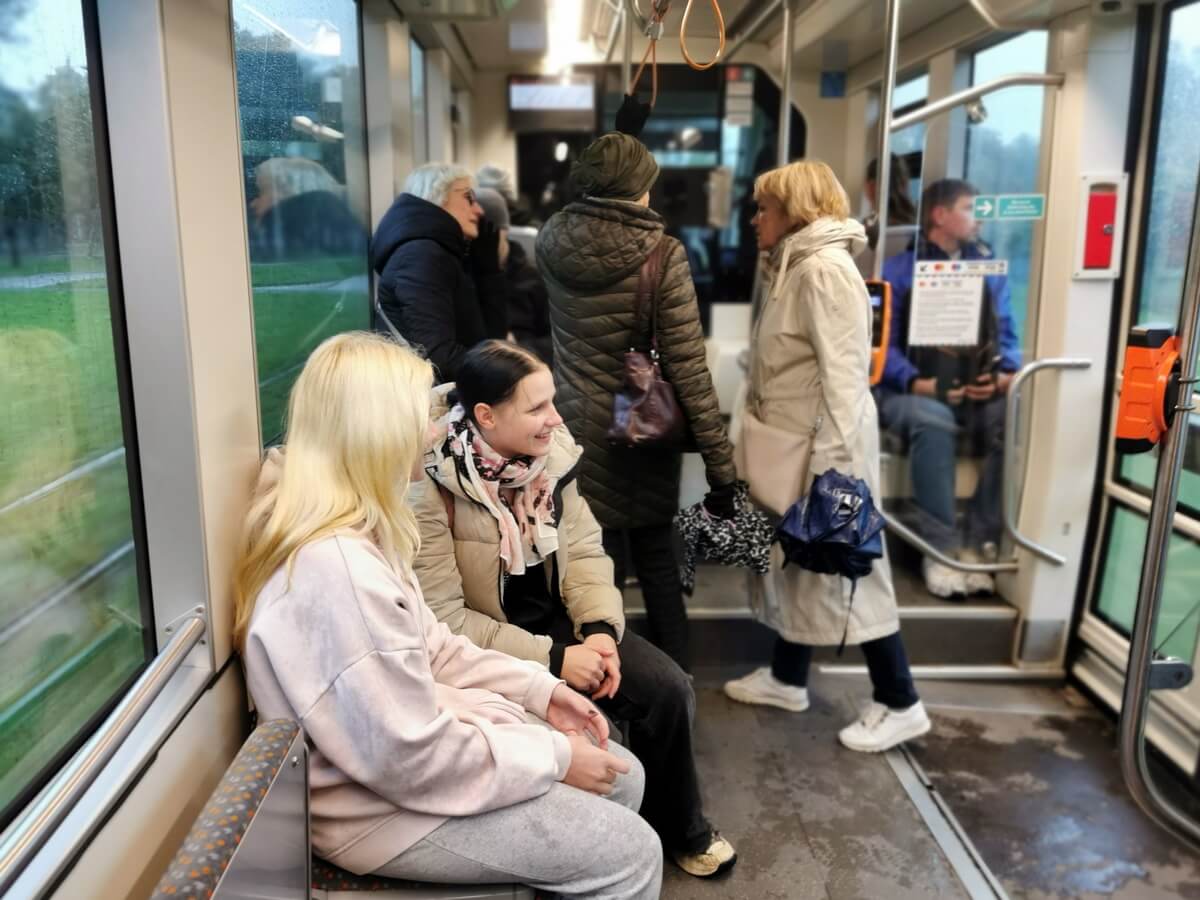
Public transport feels routine and uneventful – which is exactly what you want.
Public transit in Tallinn is well-organised, clean, and generally safe. You are highly unlikely to encounter sketchy, unlit stations or intimidating carriages.
Regular day services taper off late at night, but Tallinn also has six night-bus routes running from 00:30 to 03:30 on Saturday and Sunday mornings. Outside those hours, Bolt is often the simplest option. Bolt shows the price before you book and tracks the ride through the app, which makes late-night travel easier to manage.
Arriving late? See my guide to getting from Tallinn Airport to the city centre.
Practical Safety Tips
Wear heavy-tread boots in winter: Grippy shoes make a big difference on icy Old Town streets. Do not treat them as optional unless you genuinely enjoy negotiating with black ice.
Manage your space on cruise ship days: When massive ships dock in summer, the Old Town becomes a bottleneck. Dense cruise crowds can give pickpockets more cover, so keep a hand on your bag zipper in the main squares.
Buy a reflector (helkur): Wearing one is mandatory in darkness and in poor visibility in Estonia. It makes you far easier for drivers to spot on dark winter streets. A basic one costs around €2–€3 at R-Kiosk. Clip it to your coat on day one, and accept that nobody here cares if it ruins your winter aesthetic.
Do not mistake Baltic reserve for hostility: Estonians do not often smile at strangers. Short, direct answers from waiters or shop staff are not hostile. It is just efficient Baltic pragmatism – do not escalate a situation because you think someone is being rude.
What You Need to Know Before You Go
What number should I call in an emergency in Estonia?
Call 112 for police, ambulance or rescue services. The call is free, and the number works throughout Estonia. For minor health issues after hours, look for a 24/7 duty pharmacy (valveapteek), such as Tõnismäe Südameapteek located at Tõnismägi 5 in the city centre.
What should I do if I lose my passport in Tallinn?
If your passport is lost, contact your embassy or consulate as soon as possible. If you believe it was stolen, report the theft to the police as well. Do not wait until your departure day to sort it out.
Is Tallinn safe for children?
Yes. Tallinn is generally comfortable for families, and the practical risks are similar to those for other visitors: winter ice, traffic crossings and e-scooters matter more than crime.
Is Tallinn safe in winter?
Yes, but winter changes the practical risks. Black ice, darkness, falling ice and reduced visibility matter more than crime. Good shoes and a reflector make a bigger difference than most visitors expect.

