










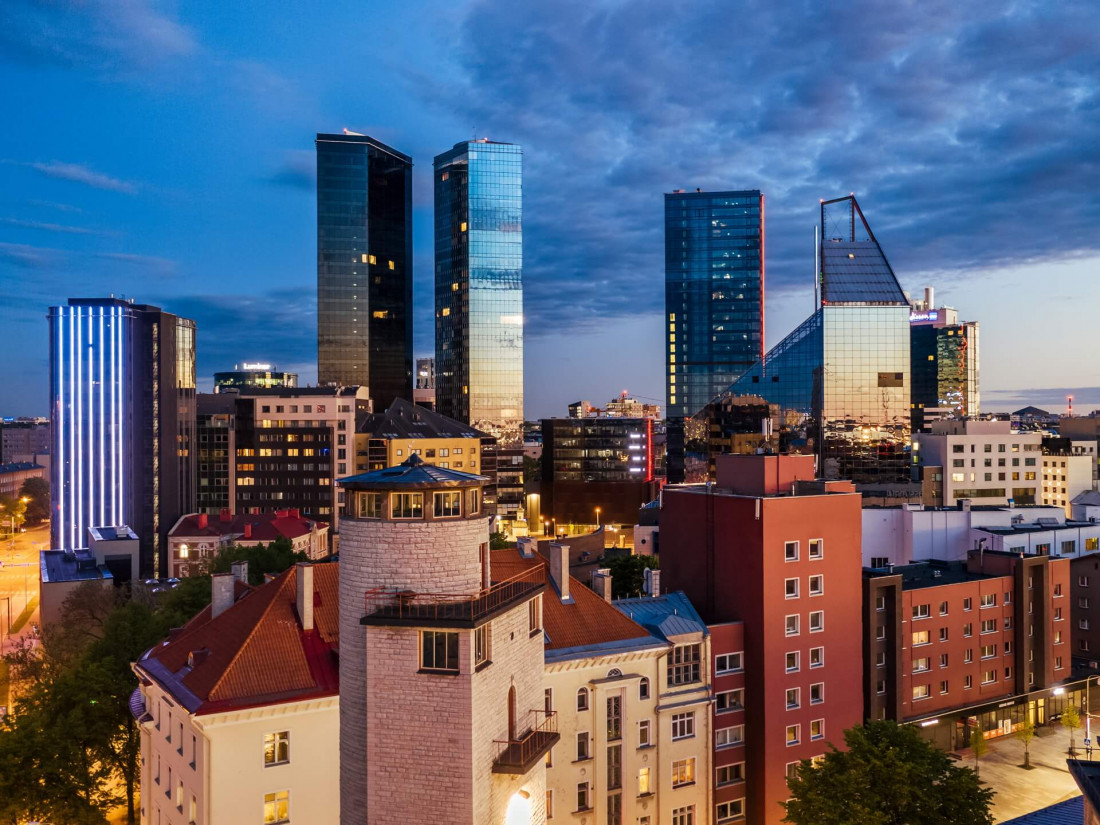
Spend a little time here, and the illusion cracks in the best possible way.
You’ll pay for parking beside a 13th-century wall using an app, share the pavement with six-wheeled Starship robots delivering pizza, and maybe spot a driverless minibus testing its route in the Ülemiste district.
Here is a pragmatic look at what Estonia’s capital actually does brilliantly—and where your expectations might crash into reality.
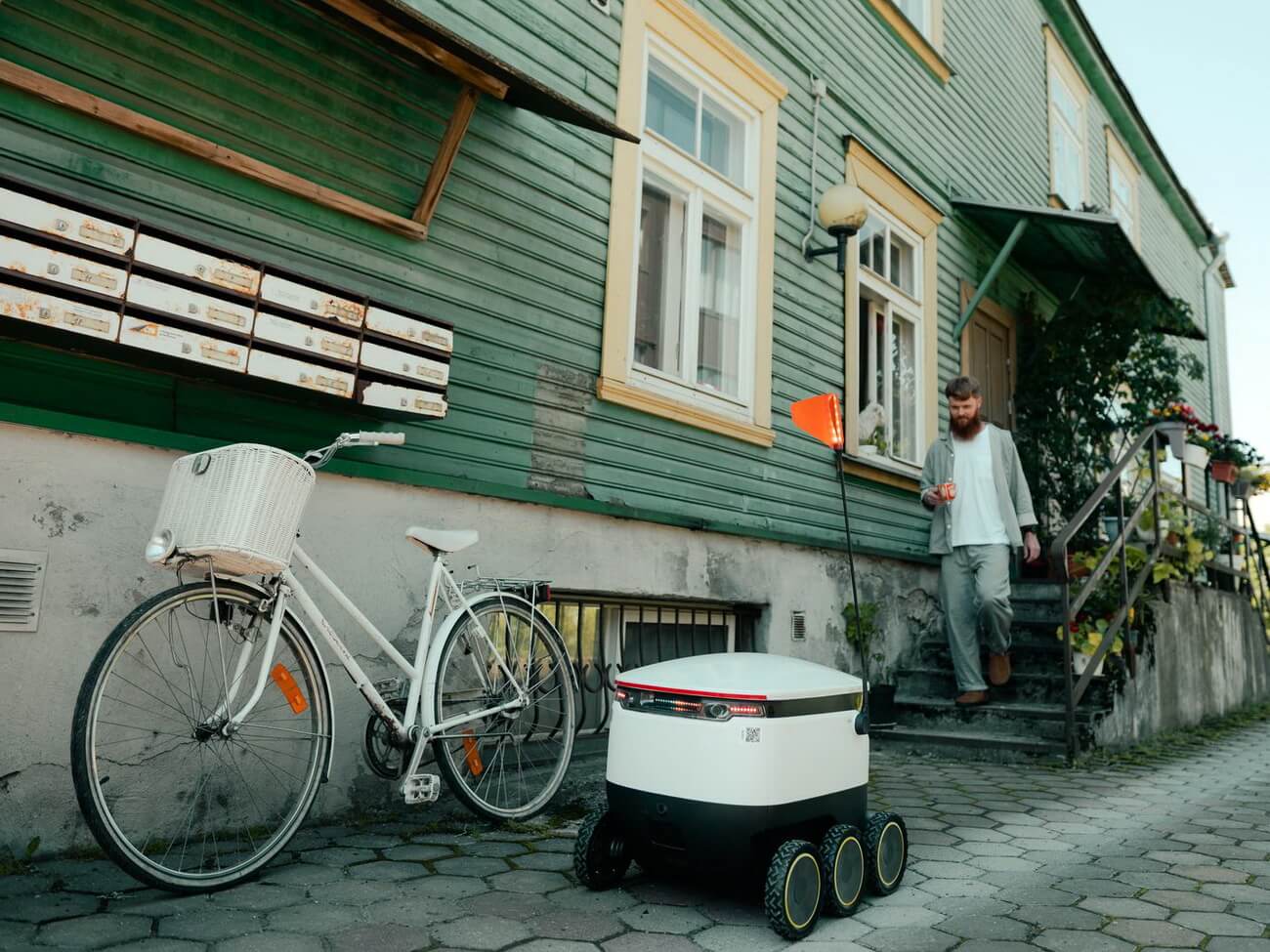
Forget taxis—delivery robots casually navigating the pavements are a completely normal sight in modern Tallinn. Photo: Leon Metsallik
In This Guide
- Beyond the Fairy Tale: The Real Tallinn
- Practical Realities for Visitors
- What Tallinn Does Best
- When Tallinn Will Disappoint You
- Is One Day Enough?
- Tallinn vs. Riga vs. Vilnius
- FAQ
Beyond the Fairy Tale: The Real Tallinn
Tallinn isn’t a sprawling metropolis, but it packs a weirdly dense number of historical, cultural, and technological layers into a very compact area.
A Medieval Core with Real Scars
Tallinn’s Old Town (Vanalinn) is a UNESCO World Heritage Site, but more importantly, it is not a modern replica built for tourists.
The city wasn’t spared from the 20th century. Soviet bombing raids in March 1944 wiped out entire sections of the city, leaving permanent scars along Harju Street right inside the historic centre. Yet, the broader medieval footprint stubbornly survived.
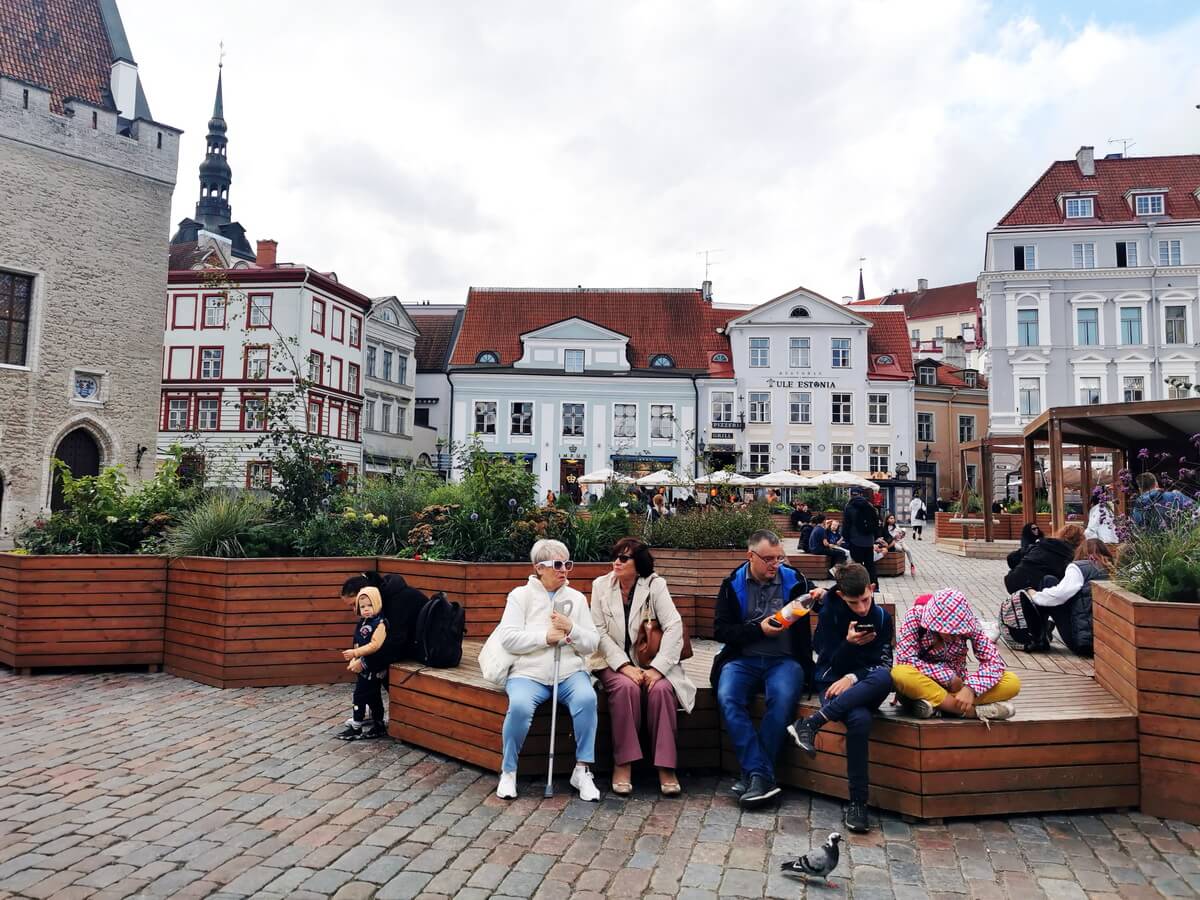
Tallinn’s Town Hall Square in a quiet moment between tour groups—when locals finally reclaim the benches.
Today, the crooked streets and massive merchant houses still follow layouts established centuries ago. Walking here feels like navigating a living historical maze (where the uneven cobblestones will absolutely destroy your favourite trainers).
For a step-by-step breakdown of how to navigate this maze without falling into the obvious traps, start with my→ Tallinn Travel Guide.
If you prefer exploring with a guide, there are also a few simple options such as the Tallinn: a guided Old Town historical walking tour or a Private Custom Tour with a Local Guide.
The Nordic Reality
To understand Tallinn’s true vibe, look at the map. Sitting on the cold Gulf of Finland, just an 80-kilometre ferry ride from Helsinki, Tallinn is culturally, historically, and linguistically a Northern European city.
Foreigners often mistakenly lump Estonia into the “Eastern Europe” category, but the city operates on a firmly Nordic frequency. Its architecture tells a story of Danish, Swedish, German, and Russian rule.
You will see the onion domes of a 19th-century Orthodox cathedral casting shadows over Hanseatic defensive walls, all while locals go about their day in sleek, minimalist cafés.
Thinking of crossing the gulf? See my guide → Tallinn to Helsinki Day Trip.
Submarines, Rust, and Glass
If you think Tallinn is entirely stuck in the Middle Ages, a ten-minute walk past the city walls will prove otherwise. The city excels at repurposing its industrial heritage.
The Rotermann Quarter, located right next to the historic centre, seamlessly blends 19th-century brick factories with bold contemporary glass architecture.
Further down the coast, Noblessner—once a top-secret submarine shipyard for the Russian Empire—is now a breezy marina where you can grab a €5 flat white.
Meanwhile, the wooden houses of Kalamaja and the street art of Telliskivi Creative City serve as the informal headquarters for the city’s tech and creative crowds.
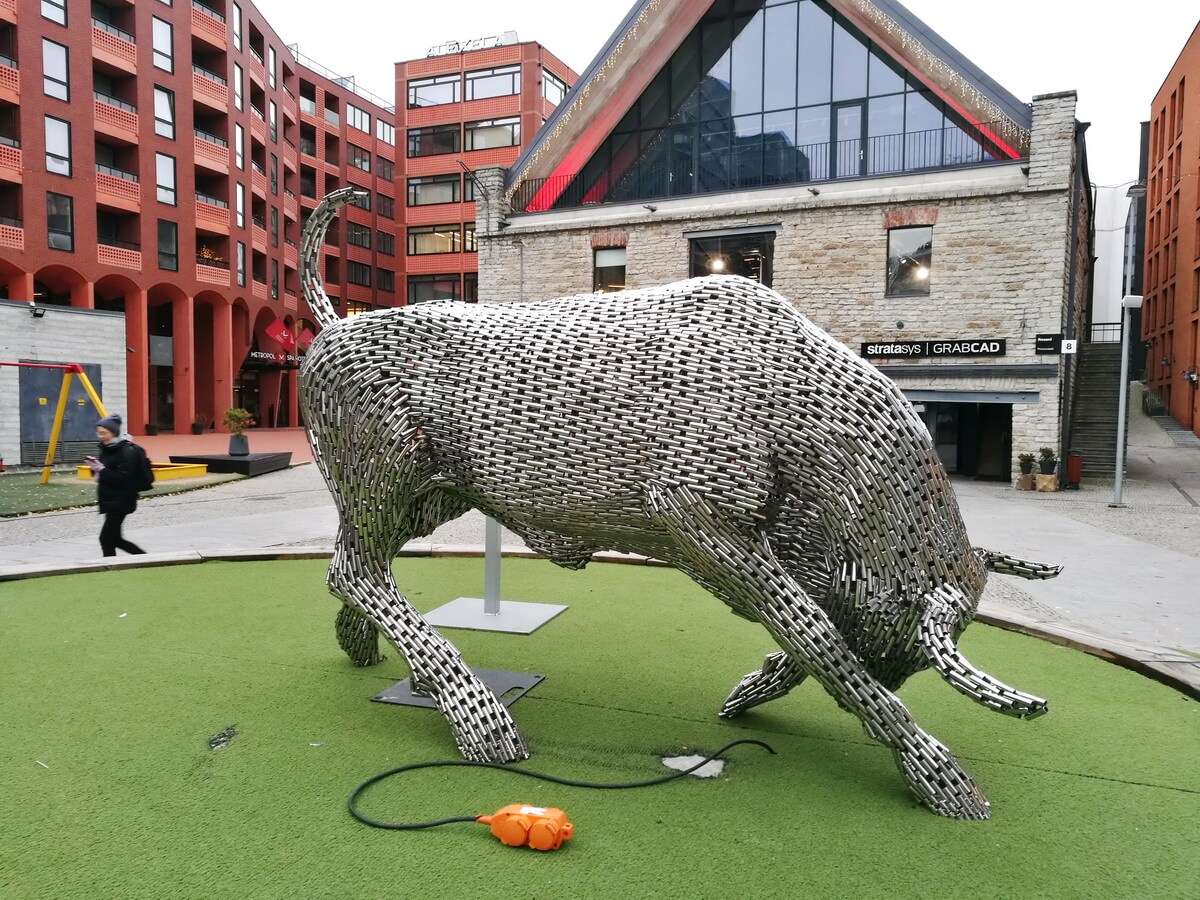
Rotermann Quarter — where Tallinn’s former factories quietly turned into a modern city district.
Food Beyond the Tourist Taverns
Visitors often arrive expecting a heavy diet of boiled potatoes and pork fat. Reality is much more refined—Estonia recently landed its first Michelin stars.
While you can easily find a medieval-themed tavern serving bear meat by candlelight, you will also find excellent New Nordic kitchens, French bakeries, and natural wine bars.
However, a word of warning for dietary restrictions: if you wander into a traditional pub in the Old Town asking for a plant-based, gluten-free option, you might end up with a very sad side salad. For modern dietary needs, head straight to Telliskivi.
Practical Realities for Visitors
Before you arrive, here are the everyday details you actually need to know.
Cards Over Cash: Tallinn is overwhelmingly cashless. Download Bolt for taxis and scooters; hailing a cab on the street is a quick way to overpay.
The Supermarket Challenge: Many locals understand English or Russian, but the dairy aisle remains an adventure. Learn to guess between piim (milk), keefir, and hapukoor (sour cream—do not put this in your coffee).
The Green Light Rule: Estonians are fiercely rule-abiding walkers. They will wait at an empty crossing in the freezing rain. Cross on red, and expect severe, silent judgement.
Paying for Public Transport: Visitors can tap a contactless bank card for a ticket, but you must use the front validator right next to the driver. The validators at other doors only read local transit cards.
General Safety: Walking at night feels entirely secure. The real hazards are mundane: slipping on icy winter cobblestones or pickpockets in crowded Old Town bottlenecks.
The Baltic Wind: Weather apps might say 22°C in summer, but the wind off the Gulf of Finland drops the “feels like” temperature fast. Always carry an extra layer.
What Tallinn Does Best
Tallinn doesn’t suit every type of traveller, but it absolutely nails these specific trips.
The Weekend City Break
Tallinn works flawlessly for a two- or three-day weekend. You can conquer the Old Town’s viewpoints in a single day, leaving the second day to see how normal Estonians live among the wooden houses of Kadriorg or the industrial spaces of Kalamaja. Steal my → 2 Days in Tallinn itinerary.
Tech-Forward Museums
Reflecting the country’s digital reputation, Tallinn’s museums are exceptionally modern. Forget dusty cabinets. The Seaplane Harbour houses a real 1930s submarine inside massive concrete hangars, while the Kumu Art Museum is an architectural masterpiece cut into a limestone cliff. They are brilliant, immersive spaces to escape a sudden Baltic downpour.
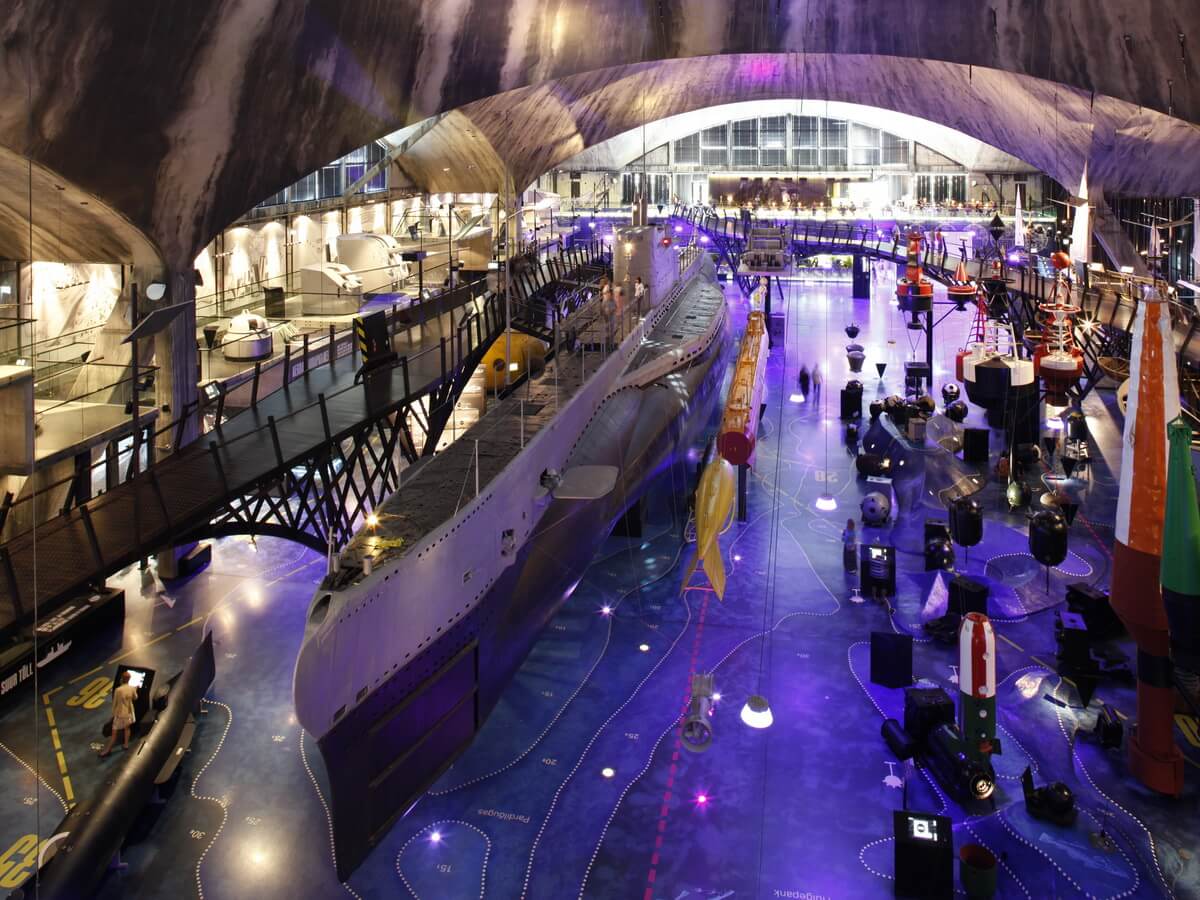
The Seaplane Harbour — where Tallinn keeps an actual submarine inside a giant concrete hangar. Photo: Paul Kuimet
Moody Winter Escapes
Winter here is less “winter wonderland” and more “moody cinematic lighting.” The days are brutally short, and the sky is often the colour of wet concrete. The city compensates by lighting candles in windows by 15:00. When the snow finally sticks, the medieval skyline transforms completely.
Read more in my → Tallinn in November guide and my → Tallinn Christmas guide.
When Tallinn Will Disappoint You
The “Cheap Eastern Europe” Myth: Driven by the tech boom and Scandinavian tourists, prices have crept up to Nordic levels. If you expect a dirt-cheap budget destination, that era ended about 15 years ago. See my → Tallinn price guide.
The Curated Nightlife: The cheap stag party scene of the 2000s hasn’t entirely disappeared, but it is far less visible. Nightlife today is smaller and more curated—think craft beer, cocktail bars, and techno at venues like HALL. It’s stylish rather than wild.
The Cruise Ship Invasion: On a sunny July afternoon, the Old Town can feel like a crowded theme park. When several massive cruise ships dock at once, the narrow streets become clogged with slow-moving herds following umbrellas. Always explore the centre before 10:00 or after 16:00.
Is One Day Enough?
Technically, yes. Thousands of cruise passengers “do” Tallinn in six hours. They see the Town Hall, buy some roasted almonds, take a selfie at the Kohtuotsa viewing platform, and leave.
But a day trip is just a checklist. A second day gives you time to actually sit in a local café, explore the trendy Rotermann quarter, and feel the rhythm of the city.
Tallinn vs. Riga vs. Vilnius
Travellers love to lump the Baltics together, but they couldn’t be more different.
Riga (Latvia) is the big, loud sibling with sprawling Art Nouveau architecture and actual metropolitan traffic. Vilnius (Lithuania) is inland, softer, highly Catholic, and filled with Baroque courtyards and hills.
Tallinn stands apart. It is smaller, more contained, and deeply tied to the cold waters of the Baltic Sea. It is also fiercely secular and vastly more tech-obsessed than its neighbours.
Mark Your Landing Spot. Is Tallinn worth visiting?
Yes.
If you ask people what they actually remember about Tallinn, they rarely name a specific monument.
Instead, it’s the weird, small moments: finding a hidden stone staircase untouched since 1450, a sudden gap between rooftops revealing the grey sea, or watching a tiny robot patiently waiting at a pedestrian crossing next to a centuries-old church.
It won’t overwhelm you with scale, but it rewards travellers who like to walk, observe, and appreciate a city that manages to be deeply historical without being completely stuck in the past.
FAQ
How many days do you need in Tallinn?
Two full days is the absolute minimum. While you can walk the Old Town in half a day, you need that second day just to step outside the medieval bubble and see the wooden houses in Kalamaja or the industrial spaces in Noblessner. If you actually want to relax, sit in local cafés, or take a day trip out of the city, aim for three to four days.
Is Tallinn an expensive city?
If you are expecting a cheap post-Soviet destination, yes. Those days are long gone. Expect to pay €4–€5 for a flat white and €15–€25 for a standard restaurant main course. It is cheaper than Helsinki, but heavily driven by Nordic pricing.
Do people speak English in Tallinn?
Yes, but it is not universal. In the city centre, hotels, and among younger people, English is spoken fluently. However, if you venture into residential supermarkets, use public transport, or interact with older generations, you will likely need to rely on gestures or a translation app. Do not expect chatty service, either—local communication is notoriously brief and unsmiling.
Should I visit Tallinn or Riga?
Tallinn is compact, coastal, and relatively quiet—you can walk almost everywhere. Riga is a proper, loud European metropolis with massive Art Nouveau architecture, big-city traffic, and a much larger scale. Choose based on whether you want a walkable historic town or a bustling capital.
Can you easily travel from Tallinn to Helsinki or Riga?
Yes. Helsinki is just a two-hour ferry ride across the Gulf of Finland, making it a very straightforward day trip. Riga is about 4.5 hours south by comfortable, regular coaches like Lux Express. Both routes run multiple times a day and require minimal planning.
When is the worst time to visit Tallinn?
November and February. November is a bleak mix of freezing rain, slush, and grey skies, with the sun setting by 15:30. February brings the bitterest winter temperatures and biting winds off the sea. If you want winter atmosphere, December is much better due to the Christmas lights.


