














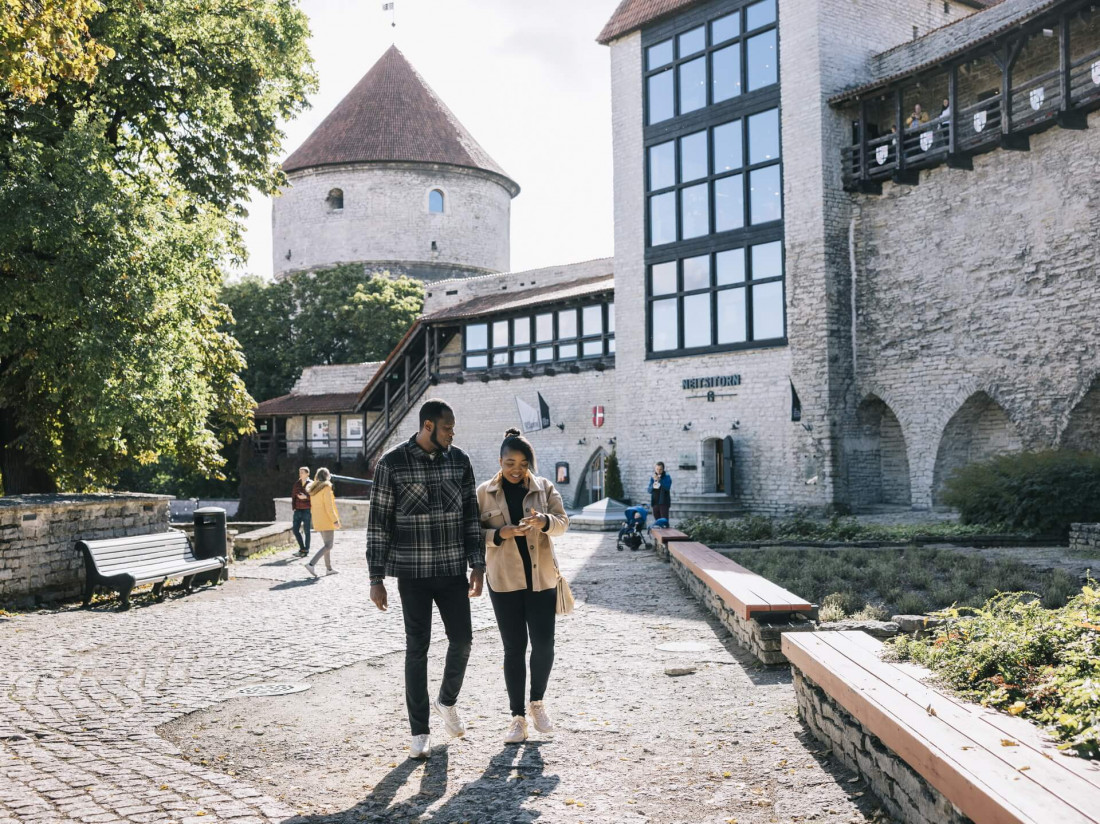
When planning a trip to Tallinn, you need a realistic picture of what it actually feels like on the ground. Forget any outdated stereotypes you might associate with the region.
In 2026, Estonia’s capital operates as a quiet Northern European city. It is a place where public transport is reliable, and locals instinctively maintain a wide physical distance from strangers.
If you are building your itinerary using a comprehensive Tallinn Travel Guide, this breakdown will remove the guesswork from your daily planning.
How Safe Is Tallinn Overall?
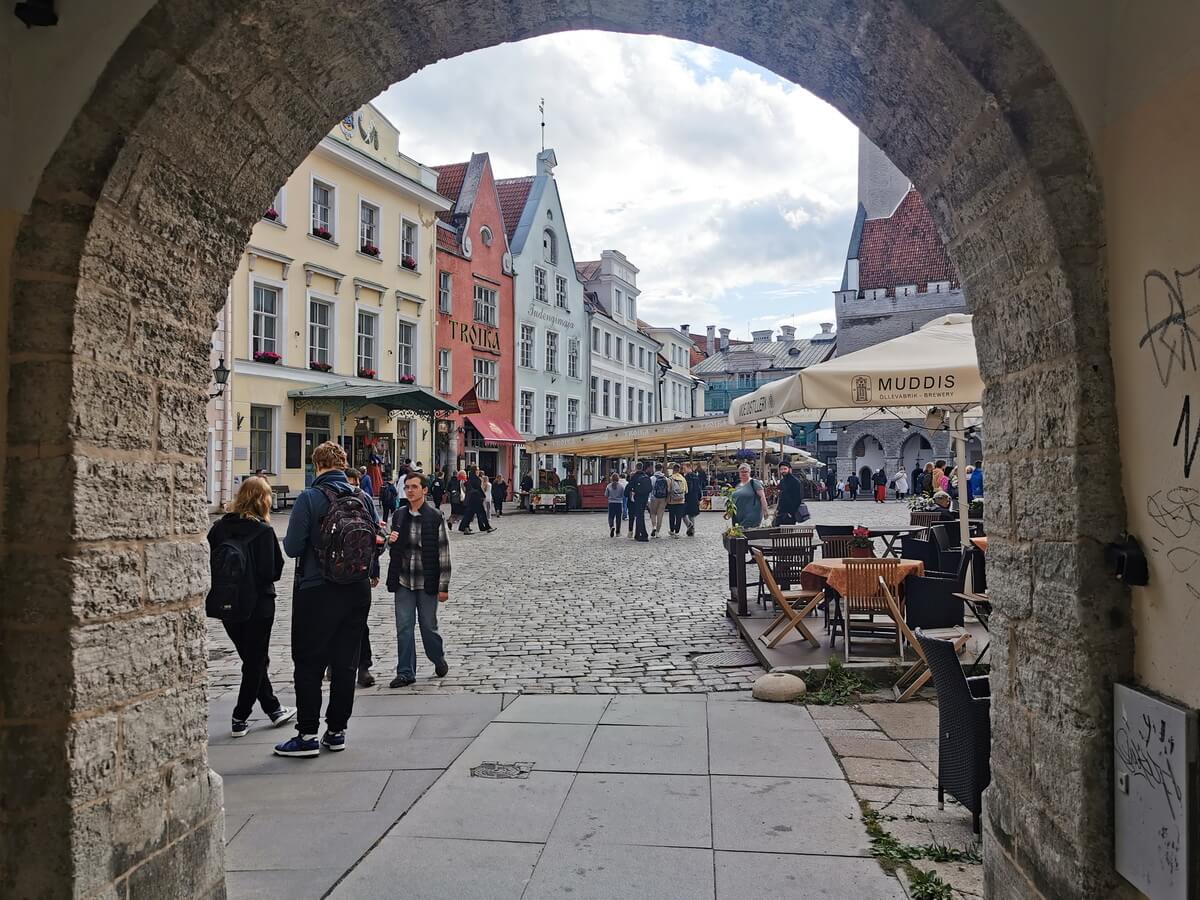
The Town Hall Square is Tallinn’s busiest hub — lively, but rarely chaotic.
In practice, Tallinn feels consistently safe for visitors. What you notice first is the lack of tension.
Estonia consistently ranks in the top tier of global peace indexes, and its capital reflects this perfectly. With a city population of around 460,000, Tallinn functions more like a quiet Nordic town than a chaotic European metropolis.
Things generally work the way you expect them to. You are unlikely to encounter elaborate street scams, aggressive sellers, or unwanted attention in public spaces. Nobody is going to follow you down the street trying to sell you a bracelet.
Instead of serious crime, the main annoyances are “soft” tourist traps—overpriced medieval-themed restaurants around the Town Hall Square or generic souvenir shops.
The police presence is low-profile, but their response is reliable. Much of the centre is also covered by security cameras, which adds to the overall sense of order without being intrusive.
Is Tallinn Safe at Night?
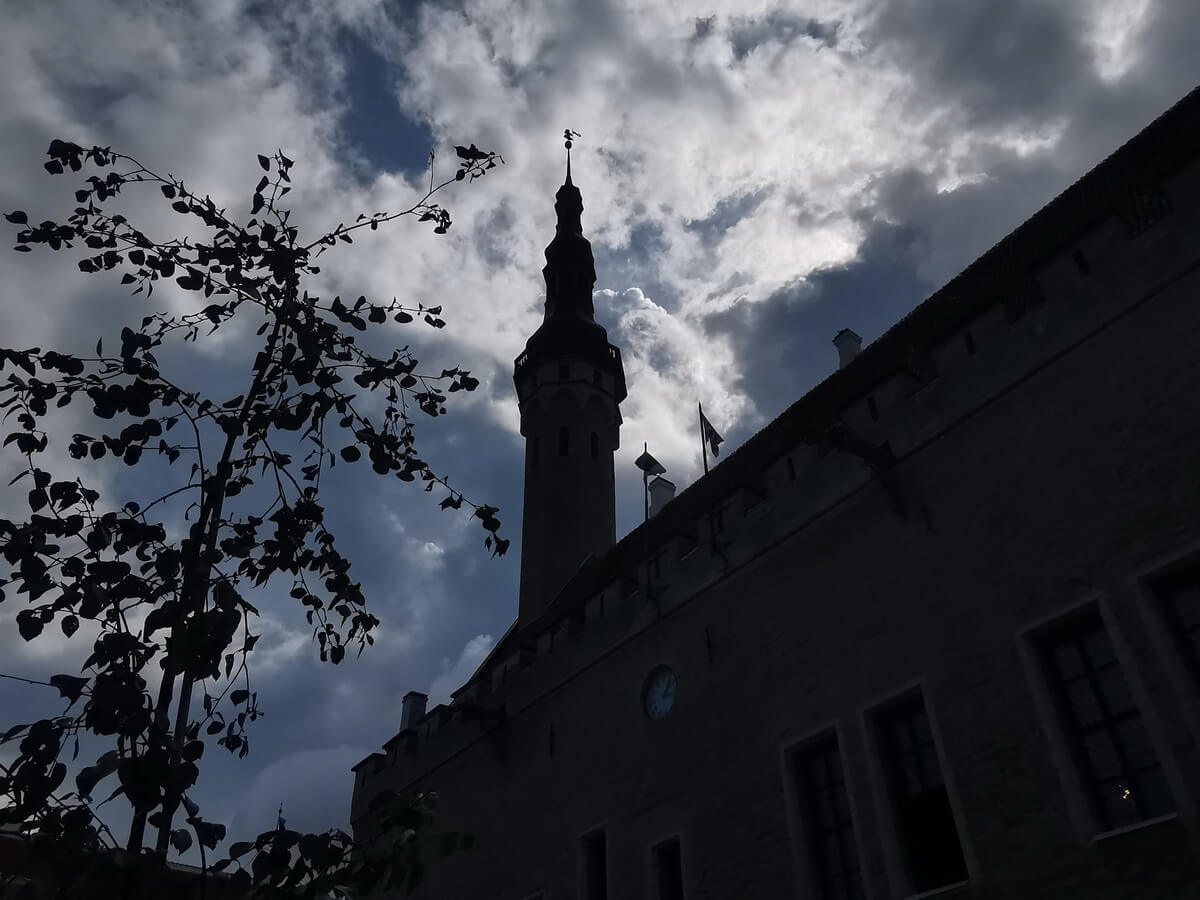
After dark, parts of the city become noticeably quieter — sometimes almost too quiet
Yes, walking around Tallinn at night is generally secure. In the Old Town and the immediate business district, the main streets are brightly lit, and you will regularly see locals walking home late without looking over their shoulders.
However, one local quirk is how early the city can “switch off.” Outside of weekend party zones, streets empty out by 21:00 or 22:00 (even earlier in winter). The sudden drop in ambient noise means you can often hear your own footsteps echoing—a surprisingly abrupt shift for a European capital.
Weekends bring a slightly livelier energy. On Fridays and Saturdays, some streets fill with partygoers and the occasional stag group — but this remains localised rather than city-wide.
The risk here is rarely violence; it is mostly just the minor annoyance of a loud group passing by or the occasional broken glass near a pub entrance.
Outside the city centre, the street lighting drops noticeably. A solid 2 Days in Tallinn itinerary naturally keeps you in the well-lit, populated zones after dark.
Areas and Neighbourhoods — Where You Might Feel Less Comfortable
Tallinn does not have dangerous no-go zones. However, varying lighting, noise, and architecture drastically change your comfort level.
When deciding where to Stay in Tallinn, consider these structural differences carefully.
Old Town
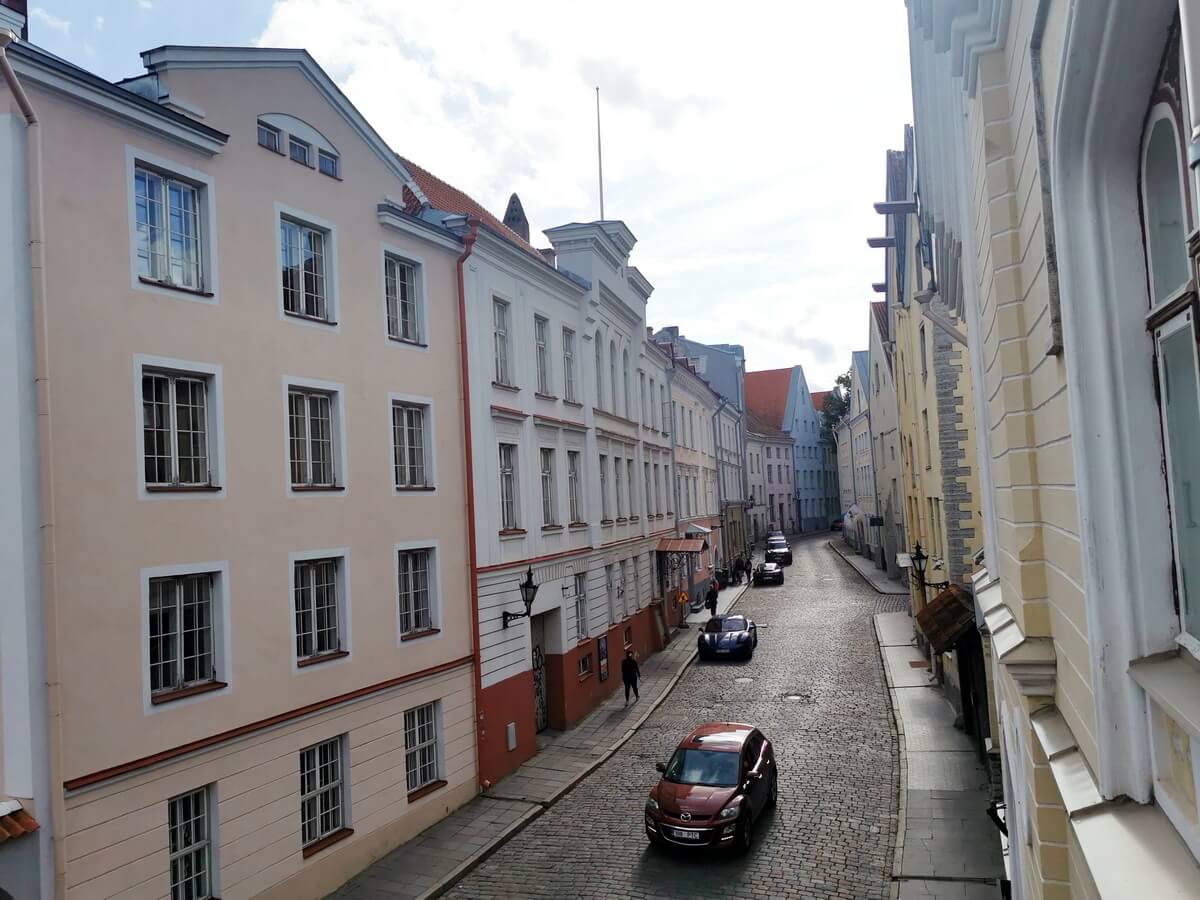
Away from the main squares, much of the Old Town is dedicated to quiet hotels, galleries, and institutions. These streets stay largely removed from the weekend hustle.
Even in the Old Town, many streets feel calm and residential rather than crowded or overwhelming.
Weekends bring more people, but the atmosphere rarely turns chaotic. You may come across small groups moving between bars, though they tend to be more visible than disruptive.
In summer, daytime cruise crowds are often more noticeable than nightlife.
Kadriorg
This affluent, historical park district is beautiful by day. By night, it is practically dead silent and very dark. The sheer emptiness of the massive park can feel isolating if you are walking alone.
Kalamaja
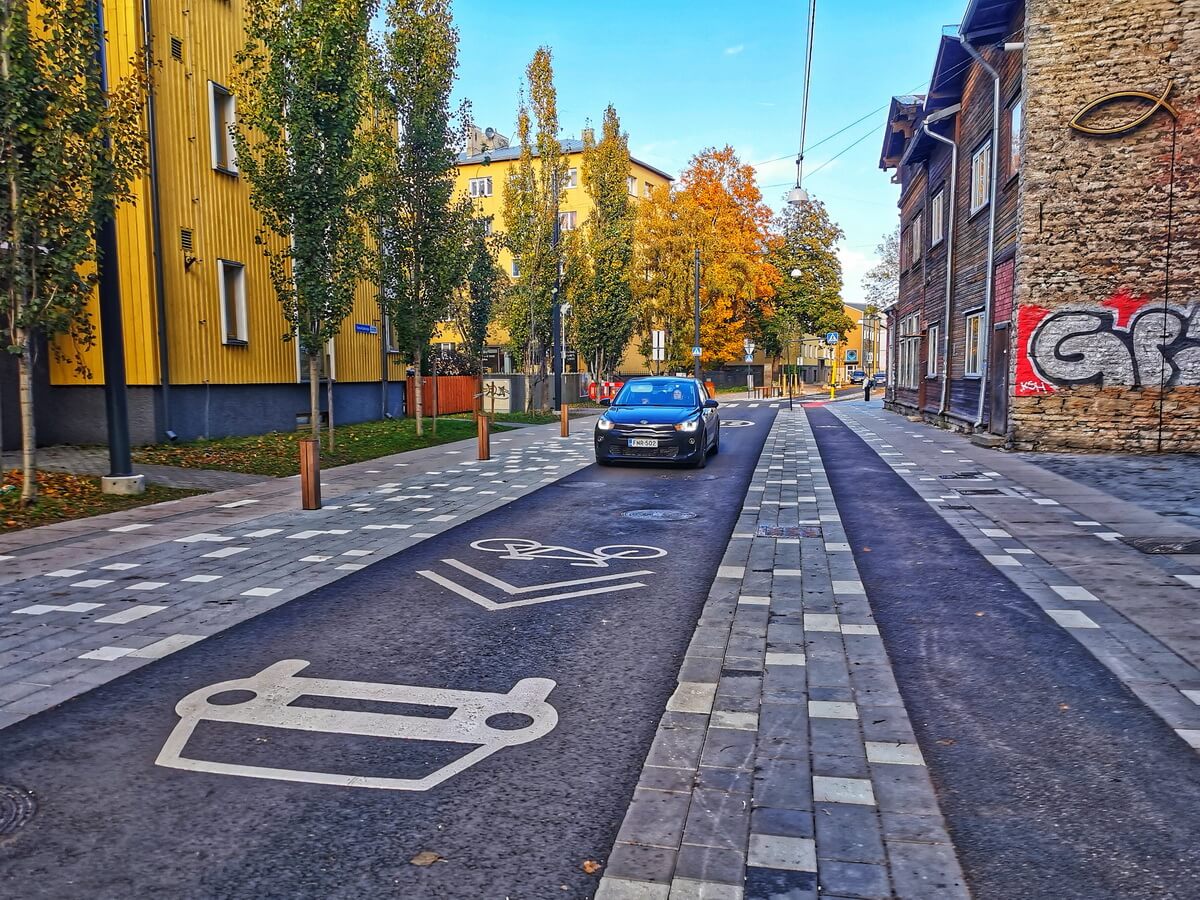
Outside the Old Town, the city feels even calmer — wide streets, space, and very little tension.
Just behind the main train station, this area feels lived-in, well-lit, and easy to navigate at any time of day — gentrified, busy, and generally comfortable.
Lasnamäe and Kopli
These areas often get a bad rap in old travel forums, but the reality is much calmer today. Kopli has undergone massive regeneration, though the far end of the peninsula still looks industrial.
Lasnamäe is a sprawling district of brutalist Soviet-era concrete apartment blocks. The discomfort here for a tourist is not about crime; it is about the sheer scale of the environment.
The massive spaces between concrete blocks and the complete lack of street-level cafes can make it feel visually alienating and empty after dark.
Common Risks (The Realistic Ones)
In Tallinn, the bigger risk is not people — it is the winter weather.
- Winter Weather Hazards: Between November and March, sharp temperature drops turn melted snow into invisible black ice. The slanted Old Town streets become genuine slipping hazards, especially since pavements are not always cleared immediately after a fresh freeze. Watch your footing at all times.
- Falling Ice: Heavy snow and sharp icicles regularly fall from medieval and wooden roofs during this freeze-thaw cycle. Building owners use temporary warning tapes on the sidewalks to block off drop zones. Never duck under these tapes. Melting ice falling from four stories up is a severe physical hazard.
- Reflectors: After dark, wearing a reflector is legally required in Estonia. In practice, if you are staying in the Old Town or central areas for a short trip, you may not need one. But in winter, especially outside the centre, streets can be poorly lit, and pedestrians without reflectors are genuinely hard to see. Locals clip small reflective tags to their coats or bags — and once you notice it, you start seeing them everywhere. They cost around €2–3 and are sold in supermarkets, R-kiosks, and post offices.
- Pickpockets: They are rare, but more likely in predictable crowd bottlenecks. Keep an eye on your belongings, particularly in the Old Town during peak cruise ship hours, around narrow passages like the Viru Gates, and at ferry terminals.
- Alcohol Friction: Alcohol fuels most of the social friction in the city. If a bar crowd gets too loud or aggressive, simply pay your tab and leave. Walking away is usually enough.
Is Tallinn Safe for Solo Female Travellers?
Yes, Tallinn is widely considered an easy and comfortable destination for women traveling alone. The environment is generally relaxed, even late at night.
Catcalling, aggressive flirting, and street harassment are not part of the local culture. Estonians prioritize privacy and rarely initiate conversations with strangers.
You can read a book alone in a cafe, dine solo, or wait at a bus stop without dealing with unsolicited attention. Public transit is widely used by women travelling alone and generally feels comfortable to use.
What If You Look Different?
The situation is physically safe but requires a realistic perspective. Estonia is historically a very homogeneous country.
Some travellers from more visibly diverse backgrounds note that prolonged staring can happen, particularly outside the central tourist areas or among older generations.
This is rarely accompanied by open hostility, but the attention can become tiring over time, and it is fair to be prepared for it.
Is Tallinn Safe for LGBTQ+ Travellers?
The environment is secure and legally supportive, with Estonia legalizing same-sex marriage in 2024.
The younger generation in Tallinn is generally tolerant. While older locals might frown at public displays of affection, physical confrontation or targeted harassment is highly unlikely.
Public Transport and Getting Around
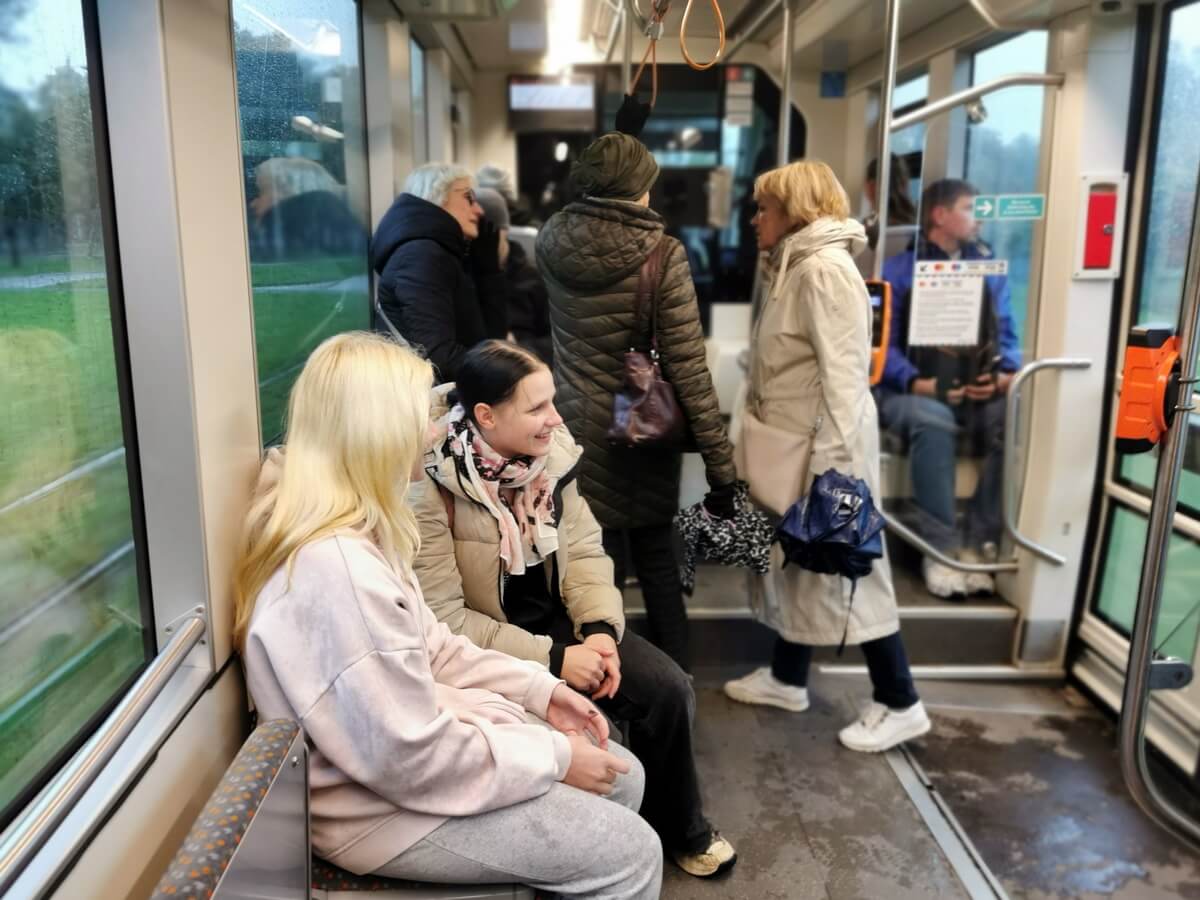
Public transport feels routine and uneventful — which is exactly what you want.
Yes, public transit in Tallinn is well-organised, clean, and generally safe. You are highly unlikely to encounter sketchy, unlit stations or intimidating carriages.
However, there is one crucial detail: Tallinn does not have a full night bus network. Once regular services stop around 00:00, you cannot rely on public transport to get back to your hotel.
At that point, ride-hailing is the most practical option. Bolt — an Estonian ride-hailing app — is the most common service. Cars are GPS-tracked and prices are locked in advance, removing any risk of late-night taxi scams.
Even arriving in the country at 00:00 is low-stress. The airport is practically inside the city limits. A quick Airport → City guide check shows that a bus or Bolt ride gets you to your downtown hotel in under 15 minutes.
Practical Safety Tips (That Actually Matter)
In Tallinn, these are the things that actually matter for a smooth, calm, and injury-free trip.
Wear heavy-tread boots in winter: Flat, grippy shoes are non-negotiable from November to March. Ankle sprains on black cobblestone ice are one of the most common issues travellers run into.
Manage your space on cruise ship days: When massive ships dock in July, the Old Town becomes a bottleneck. Keep a hand on your bag zipper when pushing through the crowds at the main squares.
Check prices before ordering: Instead of cinematic street scams, the most common way to lose money is sitting at a tourist-trap terrace in the Town Hall Square without looking at a menu first.
Do not misinterpret the local face: Estonians do not often smile at strangers. Short, direct answers from waiters or shop staff are not hostile. It is just Baltic efficiency—do not escalate a situation because you think someone is being rude.
Frequently Asked Questions (FAQ)
Is Tallinn safe for tourists?
Yes. Tallinn is very safe for tourists, with low violent crime and minimal street scams. The main risks are winter hazards like icy pavements and falling icicles.
Is Tallinn safe at night?
Yes. The city centre is well-lit and generally safe at night. Weekend crowds in the Old Town can be noisy, and residential areas get very quiet and dark after 00:00.
Is Tallinn safe for solo female travellers?
Yes. Tallinn is one of the easiest European capitals for solo women. Street harassment is rare, and moving around alone—even in the evening—generally feels comfortable.
Are there dangerous areas in Tallinn?
No. Tallinn does not have dangerous no-go areas. Some districts, like Lasnamäe, can feel dark or isolated at night, but crime levels remain low.
Is public transport safe in Tallinn?
Yes. Public transport is clean, reliable, and safe to use. However, services stop around midnight, so late at night you will need to use ride-hailing apps like Bolt.
Mark Your Landing Spot
Tallinn naturally suits travellers who value order, predictability, and personal space. If you like exploring at your own pace without constant interruptions, street hustlers, or aggressive vendors, you will feel completely in control here.
Tallinn is safe in a quiet, understated way—not through visible control, but through how the city actually functions. It is built on empty evening streets, a lack of ambient noise, and a cultural preference for keeping a respectful physical distance from strangers.
It is less suited for those who need loud, highly visible police patrols to feel secure, or those who mistake Northern European reserve for unfriendliness.

