














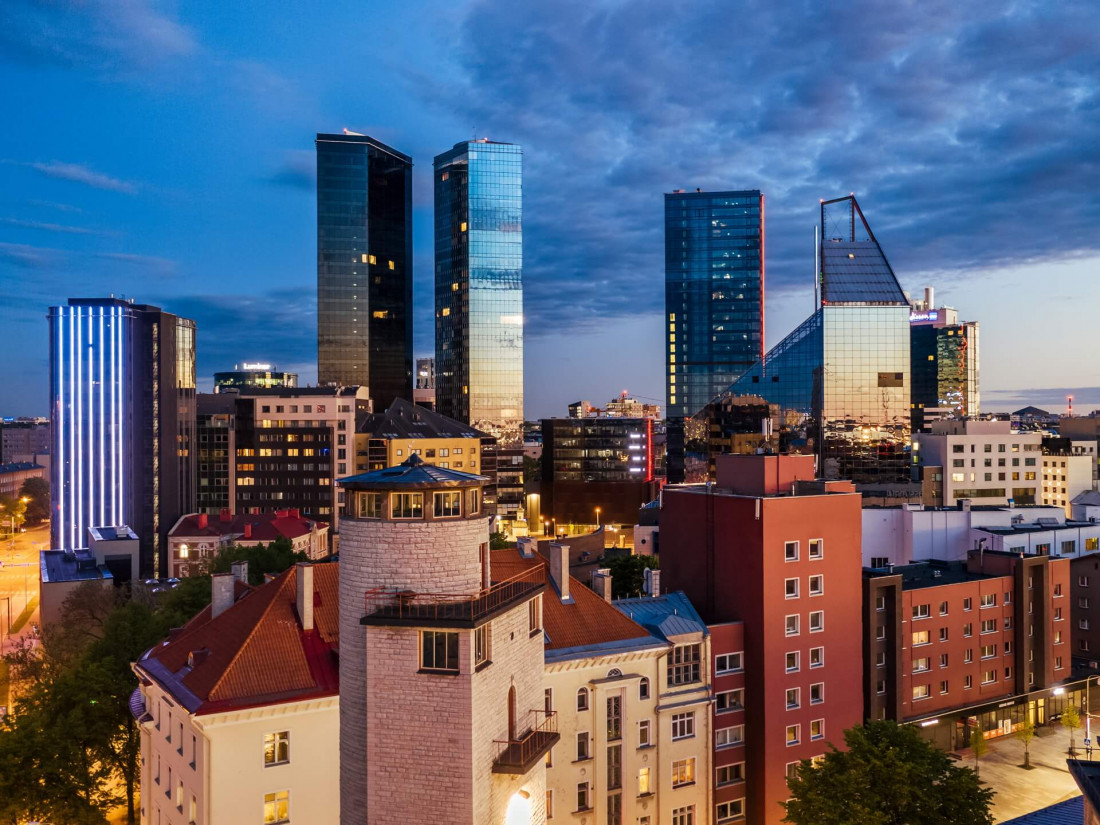
Tallinn is often sold as “Europe’s best-kept secret” (which, let’s be honest, hasn’t been true for at least two decades). With its red-tiled roofs, thick stone watchtowers, and winding streets, the city looks almost suspiciously perfect—like a film set where you expect extras in medieval tunics to walk around the corner.
But does this famously intact centre justify a trip, or is it just an open-air museum selling wool jumpers and roasted almonds to passing tourists?
Spend a little time here, and that illusion cracks in the best possible way. Tallinn is a deeply digitised city. You’ll pay for parking next to a 13th-century wall using an app, share the pavement with six-wheeled Starship robots delivering pizza, and maybe spot a driverless minibus testing its route in the Ülemiste district.
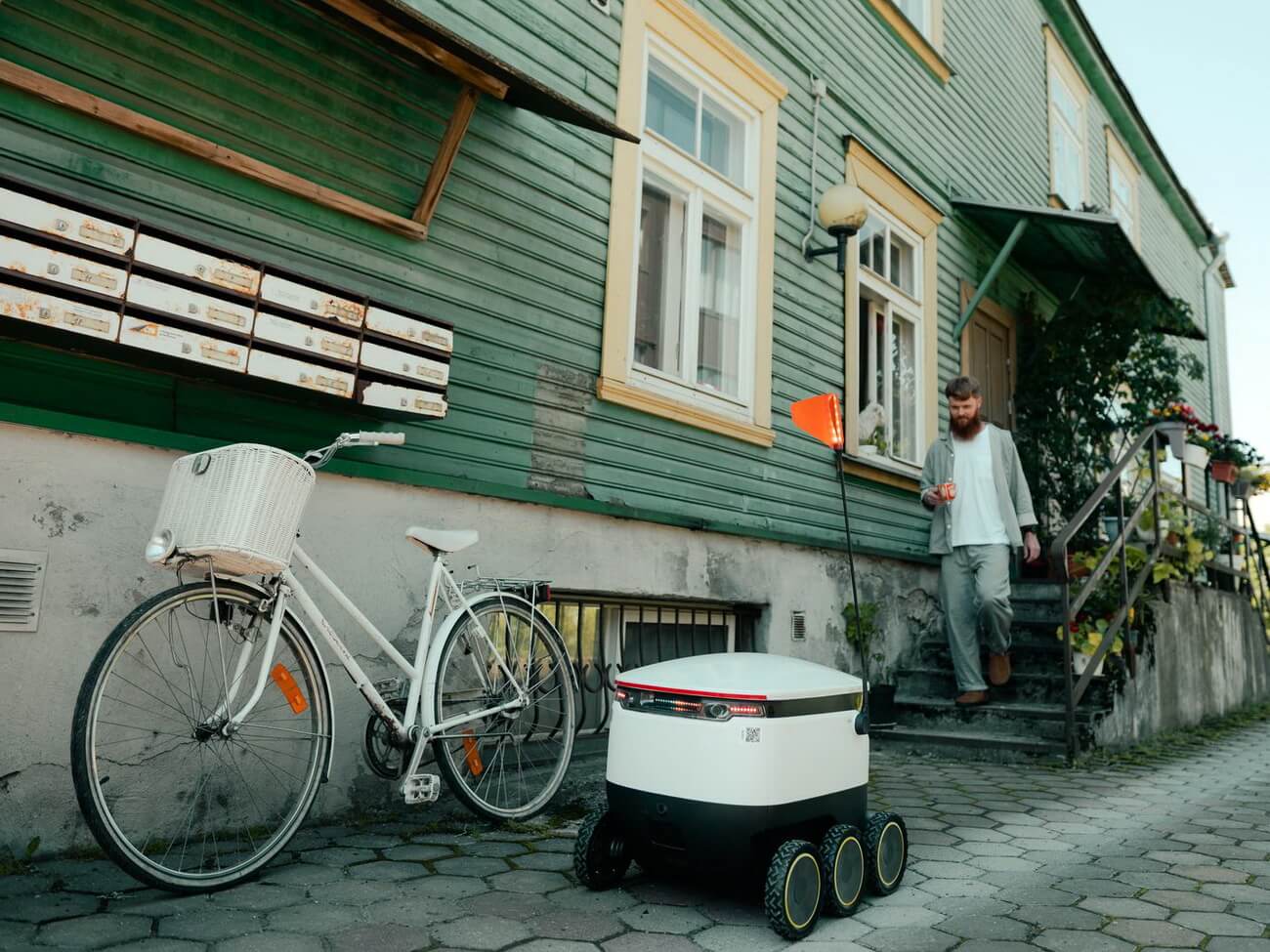
Forget taxis—delivery robots casually navigating the pavements are a completely normal sight in modern Tallinn. Photo: Leon Metsallik
Here’s an honest, hype-free look at what Tallinn actually does brilliantly—and where your expectations might crash into reality.
In This Guide
- Why Tallinn Is Worth Visiting
- Practical Realities: Survival Tips for Visitors
- What Tallinn Is Best For
- When Tallinn Will Disappoint You
- Is One Day Enough?
- Tallinn vs. Riga vs. Vilnius
Why Tallinn Is Worth Visiting
Tallinn isn’t a sprawling metropolis, but it packs a weirdly dense number of historical, cultural, and technological layers into a very walkable area.
A Medieval Old Town That Survived Against the Odds
Tallinn’s Old Town (Vanalinn) is a UNESCO World Heritage Site, but more importantly, it’s not a modern replica.
The city wasn’t spared from the brutal realities of the 20th century. Soviet bombing raids in March 1944 were devastating, wiping out entire sections of the city, including Harju Street right inside the historic centre. Yet, remarkably, the broader medieval footprint stubbornly survived.
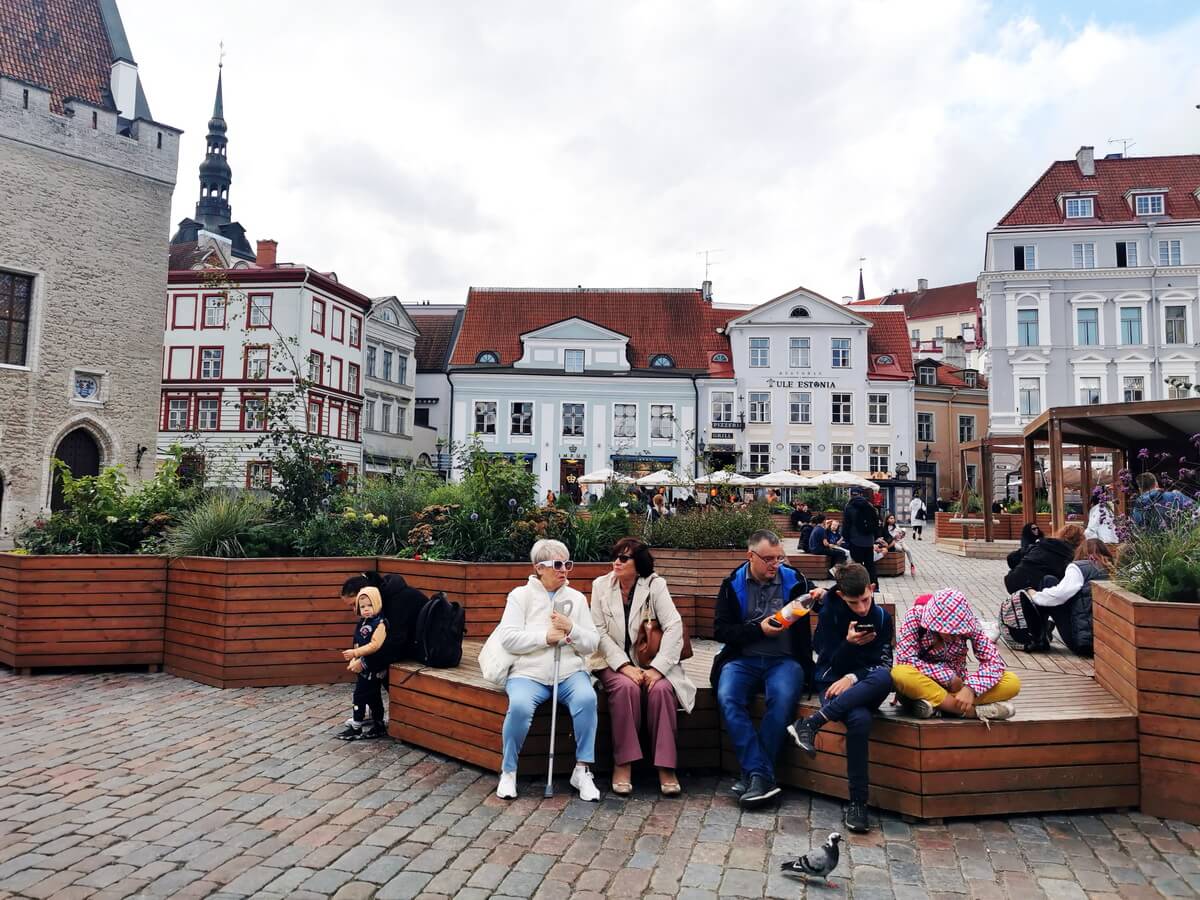
Tallinn’s Town Hall Square in a quiet moment between tour groups—when locals finally reclaim the benches.
Today, the crooked streets, massive merchant houses, and defensive walls still follow the exact layouts established centuries ago. Walking here feels like navigating a living, breathing historical maze (where the cobblestones will absolutely destroy your favourite trainers if you aren’t careful).
For a practical breakdown of how to navigate this maze without falling into tourist traps, start with my → Tallinn Travel Guide.
If you prefer exploring with a guide, there are also a few simple options such as the Tallinn: a guided Old Town historical walking tour or a Private Custom Tour with a Local Guide.
More Nordic Than You Think
To understand Tallinn’s true vibe, you have to look at its geography—and talk to the locals. Sitting on the Gulf of Finland, just an 80-kilometre ferry ride from Helsinki, Tallinn is culturally, historically, and linguistically a deeply Northern European city.
Foreigners often mistakenly lump Estonia into the “Eastern Europe” category, but locals will quickly (and politely) correct you. Tallinn doesn’t have an identity crisis; it knows exactly what it is. However, its architecture tells a story of centuries of foreign rule.
Walking through the city, you will see the physical layers of Danish, Swedish, German, and Russian influence. The onion domes of an Orthodox cathedral (built during the Russian Empire) cast shadows over medieval Hanseatic merchant houses, all while locals go about their day in sleek, minimalist cafés.
Tallinn is a city that preserves the physical relics of its complex past, but lives firmly in a high-tech, forward-looking Nordic reality.
Modern Districts: Hipsters in Submarine Shipyards
If you think Tallinn is entirely stuck in the Middle Ages, a short walk past the city walls will quickly prove otherwise.
Over the past couple of decades, several former industrial areas around the centre have quietly turned into some of the city’s most interesting neighbourhoods. Right next to the Old Town, the Rotermann Quarter mixes 19th-century brick factories with contemporary glass buildings.
Noblessner — once a submarine shipyard for the Russian Empire — is now a marina where you can buy a €5 flat white and walk along the harbour. Meanwhile, Telliskivi Creative City remains Tallinn’s informal capital of street art, vintage shops and craft beer.
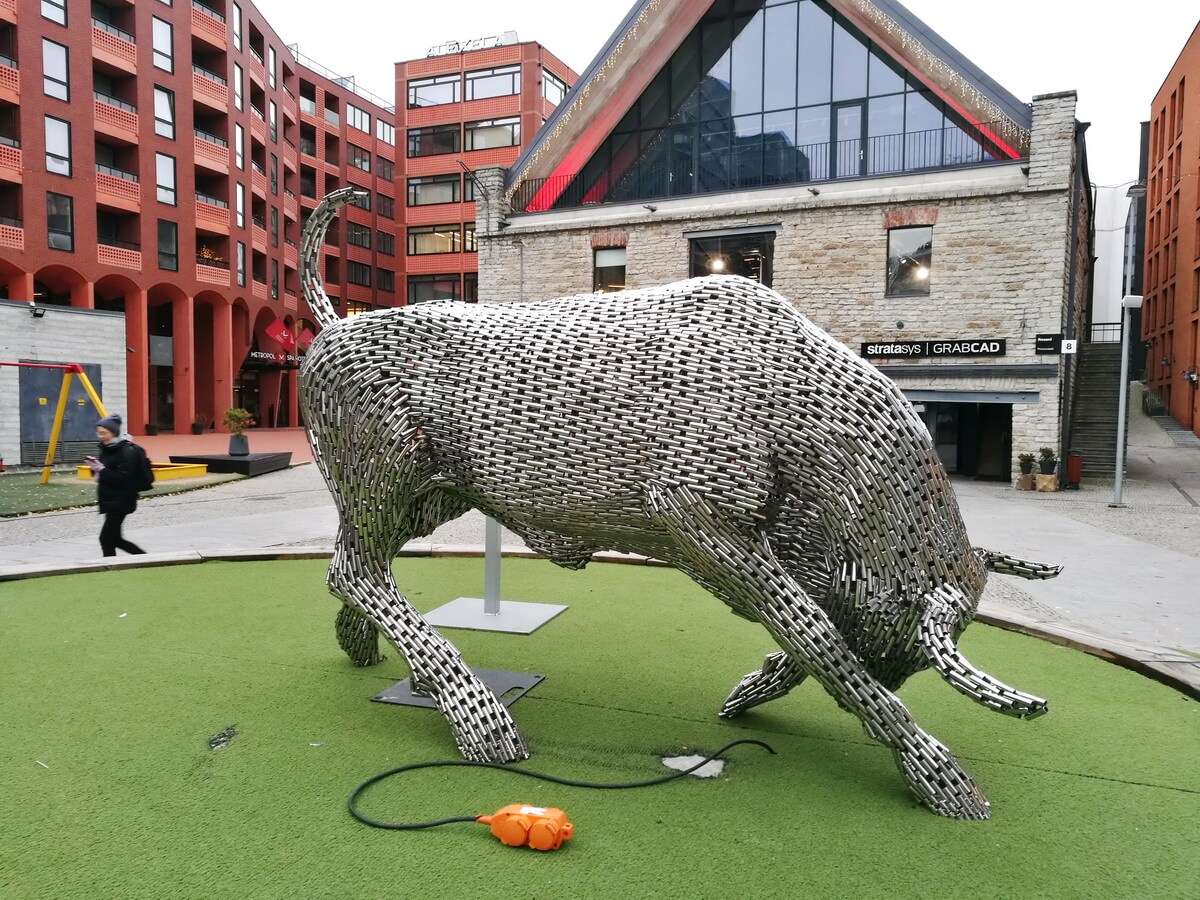
Rotermann Quarter — where Tallinn’s former factories quietly turned into a modern city district.
Food and the Gluten-Free Quest
Tourists often arrive expecting a grim diet of boiled potatoes and pork fat. Reality is much more interesting—Estonia even recently landed its first Michelin stars.
You can easily find a medieval-themed tavern where you eat bear meat by candlelight, but you’ll also find excellent Italian trattorias, French bakeries, and “New Nordic” kitchens.
A word of warning for dietary restrictions: While modern areas like Telliskivi have great vegan and gluten-free spots, it’s not ubiquitous. If you wander into a random traditional tavern in the Old Town asking for a plant-based, gluten-free option, you might end up eating a very sad side salad. You have to actively Google your spots beforehand.
Night Walks Are Fine
Tallinn is consistently ranked as one of the safest capitals in Europe. Walking through the narrow streets of the Old Town or along the harbour late at night rarely feels unsafe, and violent crime is extremely low. For solo travellers and families, this baseline level of peace of mind is one of the city’s most underrated perks.
An Unusually Close Airport
Tallinn Airport sits only about 4 km from the Old Town. In practice, you can land, hop on a bus, and be in the city centre in around 20 minutes. For a step-by-step breakdown of the options, see my guide → how to get from Tallinn Airport to the city centre.
Practical Realities: Survival Tips for Visitors
Before you arrive, here are the dry, practical details you actually need to know to avoid acting (and paying) like a tourist.
Cards Over Cash: Tallinn is overwhelmingly cashless. You can use a contactless card for a single coffee or a public toilet. Tipping isn’t strictly mandatory, but 10% is appreciated in restaurants. Download Bolt (the Estonian equivalent of Uber) for taxis and scooters; hailing a cab on the street often guarantees an inflated tourist rate.
Transport is Not Free (For You): Public transport is free only for registered residents. As a visitor, you must pay. Simply tap your contactless bank card on the orange validator when boarding a bus or tram.
Tap Water: The tap water is perfectly safe to drink; buying bottled water is a waste of money.
Green Light Rule: Tallinn feels remarkably calm, partly because of the people. Estonians are fiercely rule-abiding walkers. They will stand at an empty pedestrian crossing at 02:00 in the freezing rain, waiting for the green light. If you try to cross on a red light, expect severe, silent judgement from the locals.
The Supermarket Challenge: The language barrier is almost non-existent with locals, but supermarkets are an adventure. Estonian belongs to the Finno-Ugric language family. Buying milk involves guessing if piim, keefir, or hapukoor is what you actually want for your coffee (spoiler: do not put hapukoor—sour cream—in your coffee).
The Baltic Wind: Weather apps might show 22°C in summer, but the wind off the Gulf of Finland can make it feel drastically colder in the shade. Always carry an extra layer.
What Tallinn Is Best For
Tallinn doesn’t suit every type of traveller, but it absolutely nails a few specific trips.
The Short City Break
Tallinn works particularly well as a weekend city break. You can comfortably conquer the Old Town’s towers, courtyards, and viewpoints in a single day. The second day is for escaping the medieval walls to see how normal Estonians live in Kalamaja or Kadriorg.
If you are planning a quick hit-and-run, steal my → 2 Days in Tallinn itinerary.
Tech-Forward Museums
Forget dusty display cabinets and strict “do not touch” signs. Reflecting the country’s digital reputation, Tallinn’s museum scene is exceptionally modern and interactive. Spaces like the Seaplane Harbour (housed in massive concrete hangars) or the Kumu Art Museum are designed to be immersive, comfortable, and highly technological. It makes the city a brilliant choice for families, or simply for escaping a sudden Baltic downpour.
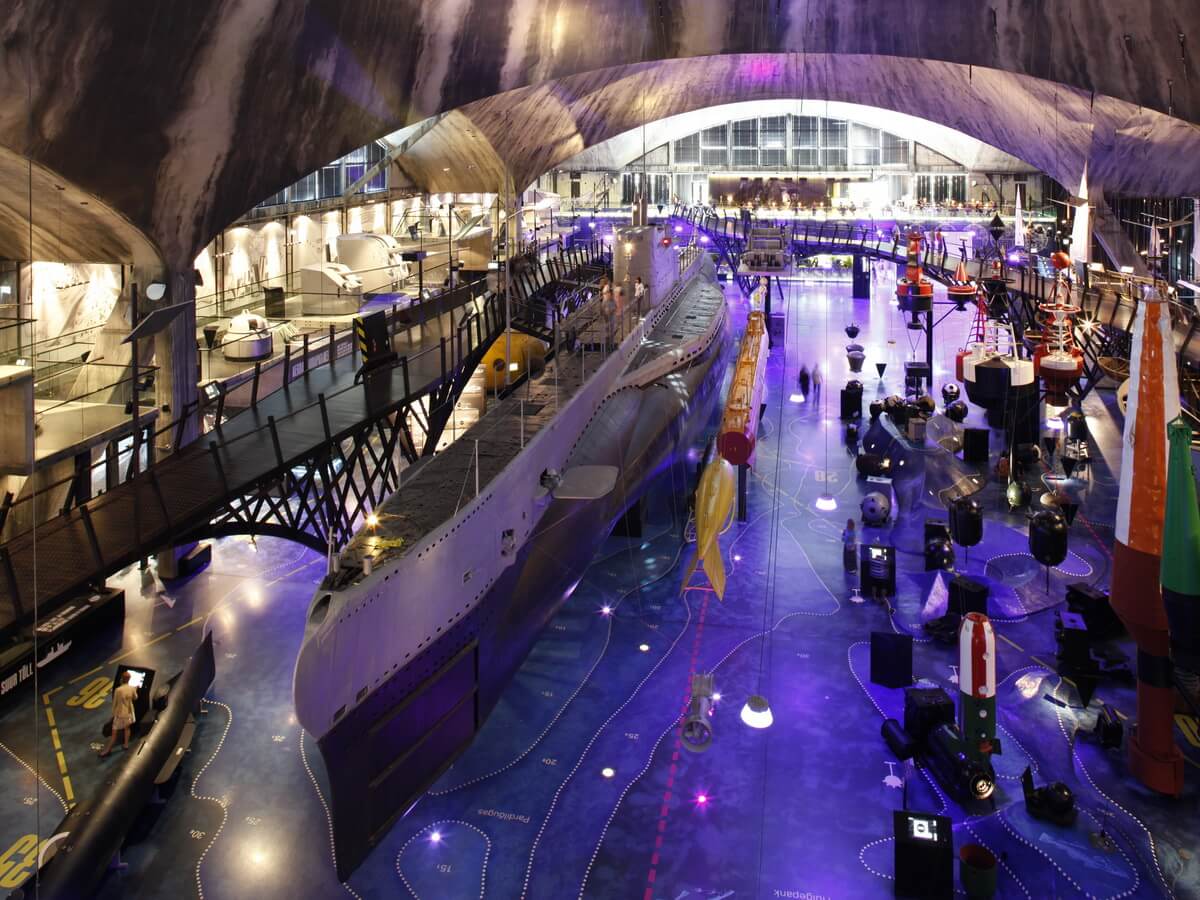
The Seaplane Harbour — where Tallinn keeps an actual submarine inside a giant concrete hangar. Photo: Paul Kuimet
The Winter Mood
Winter in Tallinn is less “winter wonderland” and more “moody cinematic lighting.” The days are brutally short, and the sky is often the colour of wet concrete. But the city compensates by lighting candles at 15:00. When it does snow, the skyline transforms completely, and the Christmas market makes the freezing temperatures totally worth it.
Read more about surviving the dark months in my → Tallinn in November guide and my → Tallinn Christmas guide.
When Tallinn Will Disappoint You
Here is the honest part. Tallinn has a few distinct realities that might ruin your vibe.
The “Cheap Eastern Europe” Myth: One stereotype needs correcting. Driven by the tech boom and the influx of Scandinavian tourists, prices here have steadily crept up toward Nordic levels. If you expect a dirt-cheap budget destination, that era ended about 15 years ago. For a reality check on current costs, see my → Tallinn price guide.
The Nightlife is Tame: The wild, cheap stag-do era is mostly dead. Today’s youth prefer sipping craft beer in Telliskivi or listening to underground techno in old factories (like the HALL club). It’s cool and curated, but if you want multi-floor mega-clubs at 06:00, it’s not Berlin or Ibiza.
The Cruise Ship Invasion: On a sunny July afternoon, the Old Town can feel like a theme park at full capacity. When several massive cruise ships dock at once, the narrow streets become clogged with slow-moving herds following tour guides with umbrellas. (Pro tip: explore before 10:00 or after 16:00).
Is One Day Enough?
Technically, yes. Thousands of cruise passengers “do” Tallinn in six hours. They see the Town Hall, buy some roasted almonds, take a selfie at the Kohtuotsa viewing platform, and leave.
But a day trip is just a checklist. A second day gives you time to actually see Kadriorg or properly explore the trendy Rotermann quarter. Two days make for a much better trip.
Tallinn vs. Riga vs. Vilnius
Travellers love to lump the Baltics together, but they couldn’t be more different.
Riga (Latvia) is the big, loud brother with sprawling Art Nouveau architecture and actual metropolitan traffic. Vilnius (Lithuania) is inland, softer, highly Catholic, and filled with Baroque courtyards and hills.
Tallinn stands apart. It feels smaller, more contained, significantly more medieval, and deeply tied to the cold waters of the Baltic Sea (not to mention fiercely secular and vastly more tech-obsessed than its neighbours).
Mark Your Landing Spot. If you ask people what they remember about Tallinn, they rarely name a specific museum or monument.
Instead, it’s the weird, small moments: finding a hidden stone staircase that feels completely untouched since 1450, a sudden gap between rooftops revealing the grey Baltic Sea, or watching a tiny robot patiently waiting at a pedestrian crossing next to a centuries-old church.
Is Tallinn worth visiting? Yes. It won’t overwhelm you with scale, but it rewards travellers who like to walk, observe, and appreciate a city that manages to be deeply historical without being completely stuck in the past.


