










Forget what the calendar says about autumn lasting three months. In Estonia, the walkable, colourful autumn is strictly a September and October affair. By the time November arrives, the leaves are gone and the country slips into a dark, damp pre-winter. If you are eyeing cheap flights for late autumn, skip this page and read my guide on Is Tallinn Worth Visiting in November?
Visiting during these two months changes how you experience the country. The summer cruise ship bottlenecks clear out of Tallinn’s Old Town, and accommodation prices drop compared to July peak rates. It is also much easier to get a walk-in table at popular restaurants. Better still, the daylight follows normal human hours.
You can spend one day walking through ankle-deep yellow maple leaves in Kadriorg, and the next out on a wooden boardwalk across a peat bog. You just need a windproof jacket, shoes that handle wet limestone, and a flexible plan for when the coastal weather shifts.
Fortunately, arrival logistics require minimal exposure to the elements. Tallinn Airport sits right on the edge of town. Just step outside the terminal and catch Tram T4 or T2 straight to the city centre (for ticket rules and stops, see this breakdown on getting from Tallinn Airport to the city centre). If you are building a city break from scratch, start with my 2 Days in Tallinn: A Local’s Practical First-Time Itinerary. The route works effortlessly in autumn, provided you dress for the Baltic breeze.
In brief:
- Weather: Average daytime highs sit around +16 °C in September and +9.5 °C in October. Warm spells can reach +19 °C, while late October drops near freezing.
- Autumn Foliage: Typically late September to mid-October, depending on the year.
- Clothing: Windproof outer layer, water-resistant boots or trainers with solid grip, and a scarf for coastal gusts.
- Daylight: Still generous. Sunset shifts from 20:15 (early September) to 16:30 (late October, after the clock change).
Jump to: Weather in September & October • Where to See Autumn Colours • Daylight & Clocks • What to Wear • Autumn Food & Mushrooms • Practical FAQ • Photo Diary
Weather in Estonia in September and October
Weather apps rarely tell the full story in Tallinn. A forecast showing +12 °C and a sun icon looks mild on paper, but it ignores the air coming straight off the Gulf of Finland.
In sheltered courtyards or among the wooden streets of Kalamaja, an autumn afternoon feels warm enough to sit outside with a flat white and a wool jumper. Walk ten minutes down to the Linnahall concrete roof or the Noblessner seafront, and that exact same +12 °C cuts right through your coat.
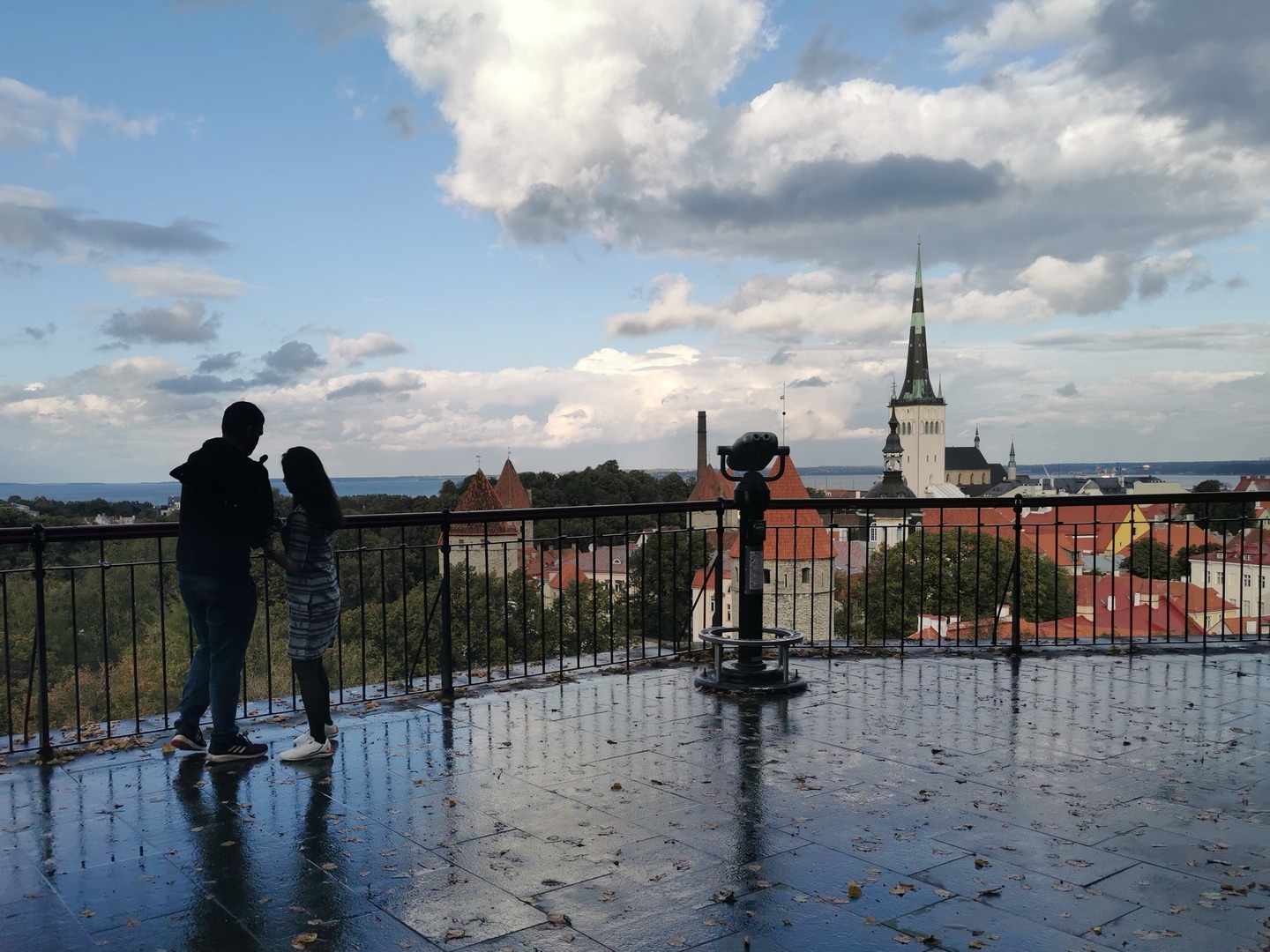
Ten minutes after a September downpour on the Patkuli viewing platform. Baltic rain clouds move fast, leaving behind mirror-wet stone, crisp visibility, and zero competition for the railing.
Early to Mid-September (The Extended Summer)
September starts gently. According to the Estonian Environment Agency, the average daytime maximum in Tallinn is around +16 °C. However, warm spells – which locals call vananaistesuvi (literally ‘old women’s summer’) – regularly push daytime highs to +18 °C or +19 °C.
The trees are still mostly green, café terraces stay open with blankets draped over chairs, and the sea retains a little August warmth. Expect a mix of dry sunny days, brief heavy showers, and occasional longer spells of grey rain.
Can you still swim in the sea in September?
For almost everyone, no. Even if the air hits +19 °C during the first week of September, a psychological barrier clicks into place on 1 September when the school year starts. You might spot a few brave stragglers taking a dip on a warm afternoon, but the sea quickly becomes the territory of seasoned winter swimmers (talisuplejad).
Ironically, you are just as likely to see locals dipping into dark peat pools (laugas) along the wooden bog trails on a sunny autumn day as you are at the coast.
Late September to Mid-October (Peak Autumn Colours)
As night frosts begin to nip at the inland forests, the foliage shifts rapidly across the country. Daytime temperatures typically hover between +8 °C and +13 °C. The air smells of wet moss, woodsmoke, and fallen apples. When high-pressure systems hold, you get crisp blue Nordic skies and low sunlight that makes Tallinn’s limestone walls glow.
A quick reality check on autumn colours
Estonia is not Canada. Do not expect entire horizons of blazing scarlet forests. The dominant Estonian palette is vibrant yellow, ochre, and deep gold – thanks to avenues of birch, lime, and maple. How much bright red you see in the maple canopies, rowan trees, and aspens depends on how sunny the days and how frosty the nights are.
Late October (The Shift Towards Winter)
Around the third week of October, a single coastal storm can strip the trees bare in 48 hours. Daytime temperatures slide down to +4 °C to +7 °C, flirting with zero overnight.
Terrace furniture disappears into storage. At the same time, the first morning black ice can form on wooden park bridges, making early walks slippery.
Where to See Autumn Colours in Tallinn and Estonia
In November or December, you stay inside Tallinn’s warm walls. In September and October, staying exclusively in the Old Town is a mistake.
1. Best Autumn Foliage Spots in Tallinn
Autumn strips Tallinn of its medieval Disneyland energy. You can actually hear your own footsteps on Pikk Street in the evening. Because the city is compact and heavily wooded, you can link a chain of parklands on foot in a single afternoon:
Kadriorg Park & the Japanese Garden: Skip the formal flowerbeds right in front of the palace. Walk deeper into the oak groves or the Japanese Garden (Jaapani aed) in the northeast corner. Its maples, rowan trees, and stone bridges reflecting in the ponds usually hit their best colour in early October. Afterwards, wander the quiet residential streets behind the park (Poska, Koidula, Weizenbergi), where century-old timber villas sit surrounded by yellow leaves. See my full route in The Kadriorg Most Tourists See – and the District Behind It.
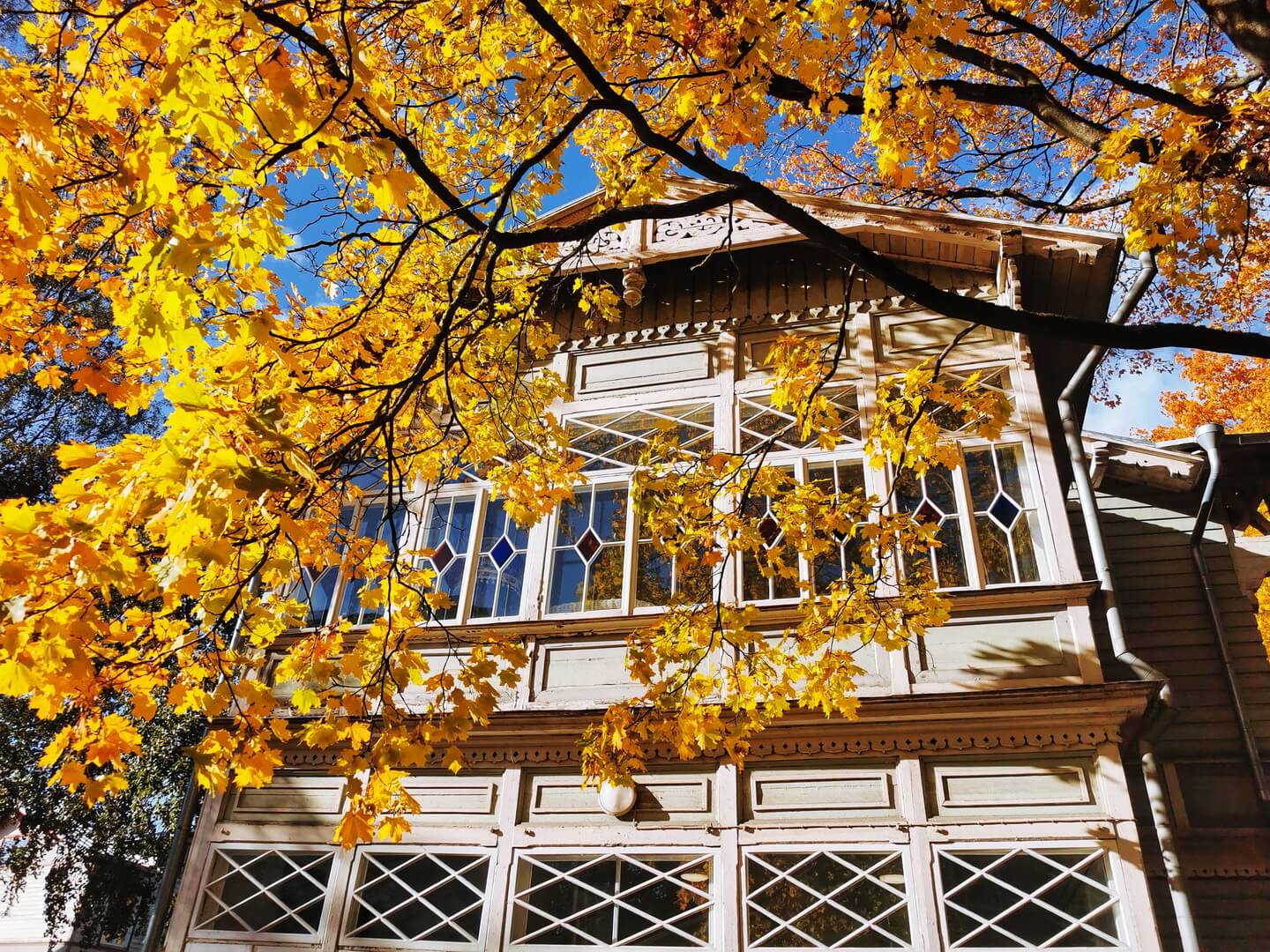
The glass-enclosed veranda of Koidula 12a in Kadriorg. Built in 1878, its upper floor was home to novelist A. H. Tammsaare in the 1930s. Today it is a quiet house museum you can duck into when the October wind picks up.
More Tallinn parks for golden leaves
- The Bastion Belt Parks (Hirvepark, Harjumägi, Snelli): Surrounding the medieval walls is a green moat of 17th-century earthen fortifications turned into public parks. Walk through Hirvepark at the foot of the Toompea cliff for massive, ancient trees. Then follow the path down to Snelli Pond, where golden foliage frames the towers from below.
- Kalamaja Cemetery Park (Kalamaja kalmistupark): Just a ten-minute walk from the Seaplane Harbour, this former historic graveyard was flattened into a leafy park during the Soviet era. Today, it has zero tombstones, towering old trees that form a solid yellow tunnel in October, working fountains, and almost no tourists.
- Estonian Open Air Museum (Eesti Vabaõhumuuseum): Located in Rocca al Mare, this seaside woodland holds historic thatched-roof farmsteads and wooden windmills. Walking the gravel forest lanes between 19th-century barns while leaves drop into the moss is arguably more atmospheric in October than in July.
2. Best Estonian Bog Walks in Autumn
If you only do one trip outside Tallinn in October, make it a bog walk.
Estonia’s raised peat bogs are ancient, open landscapes carpeted in sphagnum moss. While park trees turn yellow, bog moss shifts into shades of copper, bronze, rust-orange, and deep red during autumn. These warm tones contrast sharply with dark peat pools and stunted pine trees. Look closely at the moss cushions alongside the trail in September and October to spot wild bog cranberries. These speckled red berries soften and lose their sharpest bitterness after the first autumn frosts.
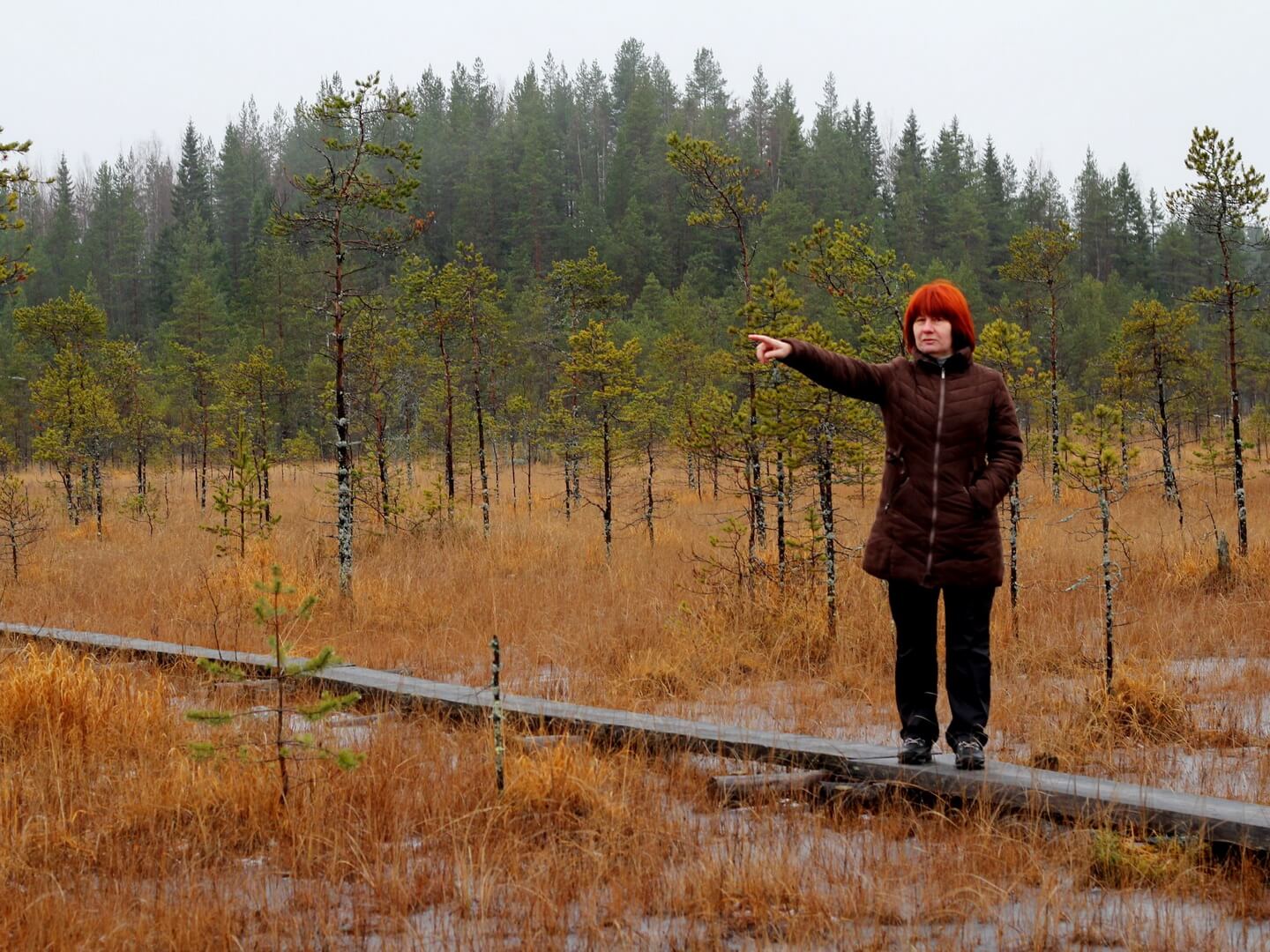
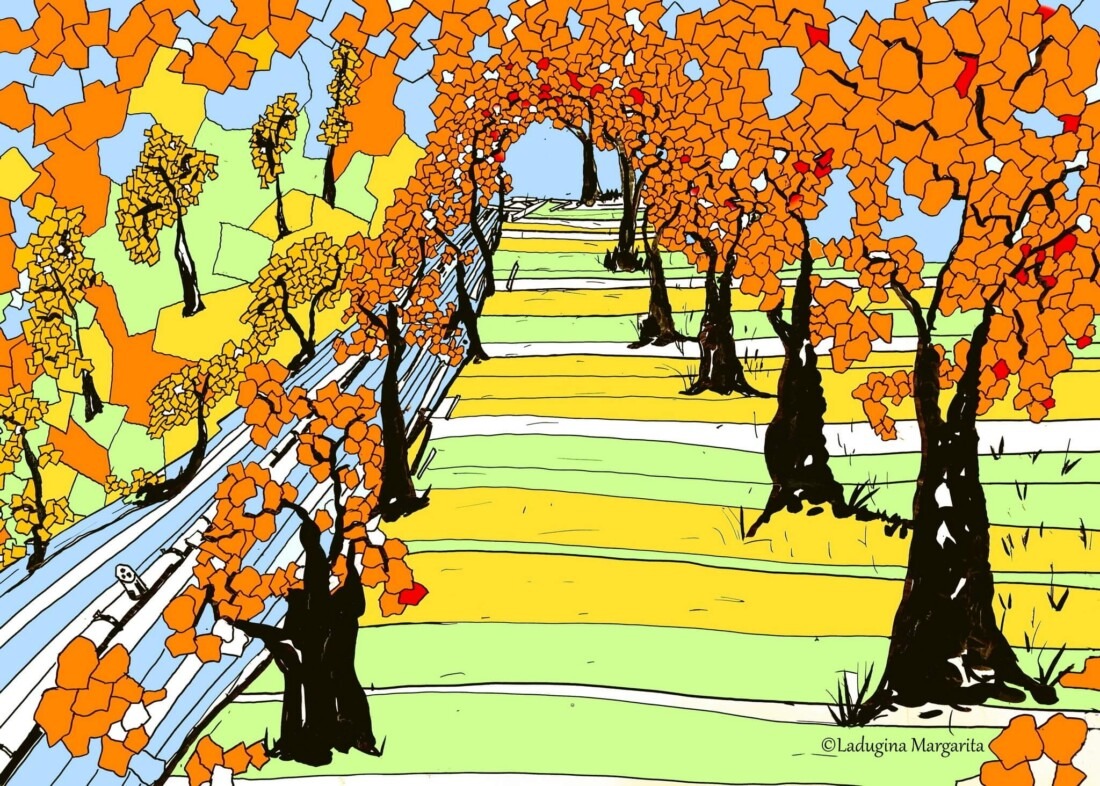
Most RMK boardwalks are only two or three planks wide with occasional passing bays. On quiet late-October weekdays, you can walk for an hour through the stunted pines without meeting another soul. Photo: Margarita Ladugina
Because the State Forest Management Centre (RMK) maintains wooden boardwalks across the bogs, you can walk them in normal trainers or hiking shoes. Viru Bog (a 3.5 km boardwalk trail in Lahemaa National Park) is the most accessible from Tallinn by public bus. Meanwhile, Kakerdaja Bog and Mukri Bog offer quieter trails if you have a rental car. For exact bus stops, trail lengths, and city-accessible options like Pääsküla, read my full guide on How to Walk Estonian Bog Trails and Swim in Peat Pools. Alternatively, skip the bus timetables and book a guided day trip to Lahemaa National Park and Viru Bog from Tallinn or a Guided Bog-Shoe Hiking Tour.
3. Autumn Bird Migration on Estonia’s West Coast
Estonia lies on the East Atlantic Flyway. From September to mid-October, more than two million migratory birds pass through the region. Over 230,000 stop to feed in the coastal meadows and shallow bays of Matsalu National Park, south of Haapsalu. Watching thousands of cranes calling across the flooded meadows from an observation tower at dusk is unforgettable.
Exploring Matsalu is easiest with a rental car. If you’d prefer a birdwatching trip closer to Tallinn, consider booking a birdwatching tour on the Paljassaare Peninsula.
Sunny Day vs Rainy Day Plan
Baltic weather shifts quickly, so keep two options ready:
- If you wake up to blue skies: Push your museum plans to another day. Grab a coffee and head straight for a bog boardwalk or Kadriorg while the sun is out.
- If heavy rain or coastal wind hits: Head indoors to the massive concrete hangars of the Seaplane Harbour (Lennusadam), or spend three hours at the KUMU Art Museum in Kadriorg. You can also warm up in a seaside sauna. Rent a private wood-fired hut at Iglupark in Noblessner, or buy a public drop-in ticket (€8) at the community-run Logi Saun near the cruise terminal.
Daylight and the October Clock Change
Autumn still gives you plenty of sightseeing light before the deep darkness of November sets in.
- Mid-September: Sunrise 06:50 / Sunset 19:40 (nearly 13 hours of daylight).
- Mid-October: Sunrise 08:00 / Sunset 18:10 (10 hours of daylight).
- Late October (after Daylight Saving Time ends): Sunrise 07:38 / Sunset 16:30.
On the last Sunday of October, the clocks go back an hour, cutting the afternoon light short. Once those late October evenings turn dark by 16:30, remember Estonian traffic law. Pedestrians walking in the dark or poor visibility are legally required to wear a reflector (helkur) or carry a light source. Clip a small dangling reflector to your coat so it hangs around knee height where car headlights catch it. You can buy one at any supermarket for €1–€2.
What to Wear in Estonia in Autumn
Packing for Estonian autumn is about managing changing conditions. You can warm up quickly climbing the steep steps of Lühike Jalg, then feel the chill ten minutes later on the Toompea viewing deck. Minutes after that, you might find yourself too warm in a well-heated café. Layers and protection from wind and rain matter more than heavy clothing.
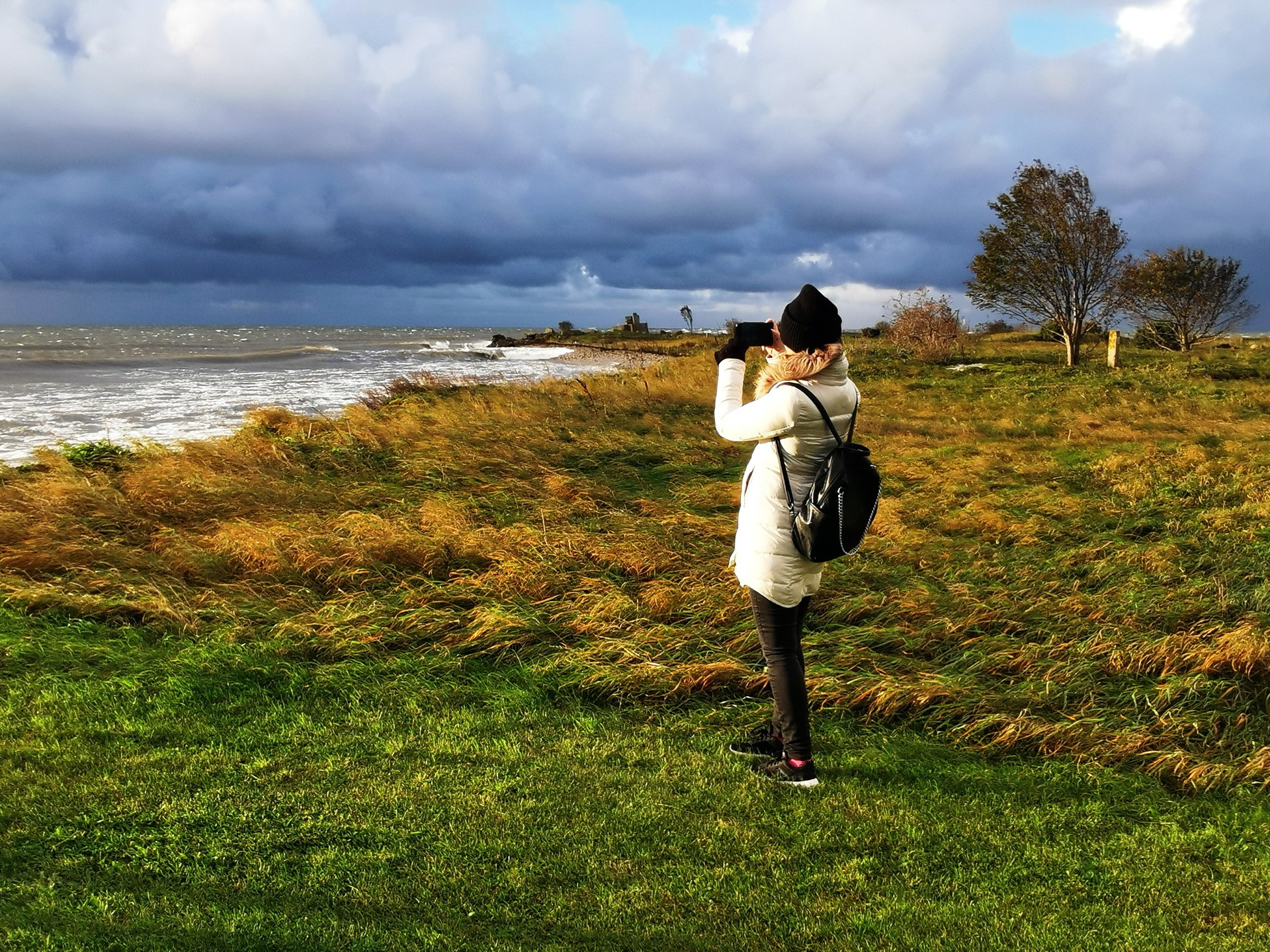
Mid-October on the coast: bright sun in the foreground, a heavy squall over the Gulf of Finland, and strong coastal gusts. This is when a beanie and windproof shell earn their space in your bag.
Essential autumn packing list
- Footwear: You don’t need heavily insulated winter boots in September or October, but water-resistant trainers or leather ankle boots with reliable rubber soles are essential. Wet leaves on smooth medieval limestone and frosty wooden boardwalks can both be slippery.
- The Outer Layer: In September, a lightweight water-resistant jacket is usually a smarter choice than a wool coat, especially in damp weather. A wool coat still works on dry, mild days. By October, opt for a windproof, waterproof jacket or shell that fits comfortably over a merino jumper or fleece.
- The Mid-Layer: Dress in layers you can easily add or remove. A jumper or fleece comes in handy when the wind picks up. Historic cellar restaurants can feel cool, whereas modern cafés in Telliskivi or Rotermann are well heated.
- Accessories: Bring a scarf from the start of September, as coastal winds feel chilly even when the temperature looks mild. Add a light beanie and thin gloves for October, especially if you plan to spend long periods outdoors.
- Rain Protection: Pack a compact umbrella for showers when exploring Tallinn on foot. However, strong coastal gusts can make umbrellas difficult to use. A hooded waterproof jacket is the more reliable option on exposed waterfronts and open bog boardwalks.
Local Tip: Easiest Ways to Explore in Autumn
If you don’t want to rent a car to reach the national parks or stand in the wind reading plaques on street corners, let a local guide handle the logistics. Here are three solid options for September and October:
Discover Estonia – tour to Lahemaa with waterfalls and nature – The easiest car-free way to walk the Viru Bog boardwalk, see Jägala Waterfall in its brown autumn peat flow, and visit coastal fishing villages in one day.
Tallinn: Estonian Food, Drink & History Tour of Local Haunts – Ideal for a chilly October afternoon. You move between warm indoor stops while tasting local rye bread, cheeses, and berry liqueurs.
Tallinn Old Town: 2-Hour Walking Tour with Stories & Views – Great for a dry September or early October day when the park alleys and coastal promenade are at their most colourful.
Disclosure: Some links in this guide are affiliate links. If you book through them, I may earn a small commission at no extra cost to you.
Autumn Food in Estonia: Mushrooms, Berries and Local Drinks
In September and October, foraging takes over Estonian weekends. Under Estonia’s freedom to roam rules, the public can gather wild berries and mushrooms in state forests and unfenced private woods (unless restricted by the landowner or nature reserve rules).
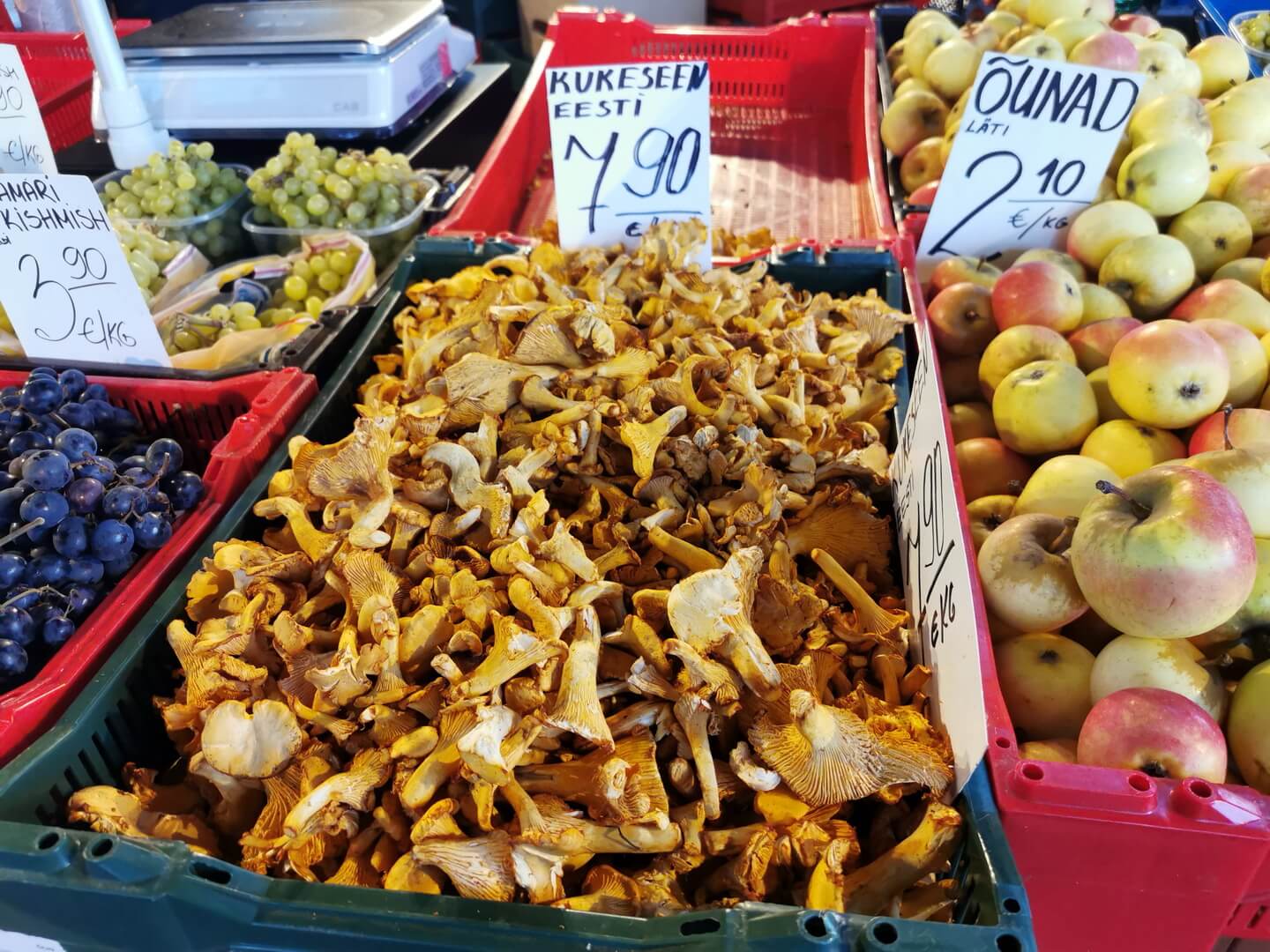
How to read Estonian market signs in autumn: “Eesti” means locally grown or foraged in Estonia, like these chanterelles at €7.90/kg. “Läti” on the apple crate next to it means imported from neighbouring Latvia.
Drive past pine forests in September, and you will see cars parked along the highway shoulders. The drivers are in the woods with a small knife and a bucket. They hunt for golden chanterelles, porcini, or milk-caps while guarding their family mushroom patches like state secrets. Right alongside the mushrooms, locals pick tart red lingonberries in September, followed by bog cranberries in October.
How to enjoy mushroom season safely as a visitor
Estonian forests also contain deadly poisonous species (such as Amanita phalloides). Never pick wild mushrooms unless you can identify them with complete certainty. Instead, experience the season in town:
- Estonian Museum of Natural History Mushroom Exhibition: Every September, the Eesti Loodusmuuseum hosts a popular 10-day live exhibition of freshly picked local mushroom species with biologists on site. Note: the museum is relocating to its new timber Loodusmaja complex in Noblessner, scheduled to open in the second half of 2027. Check their website for future September dates.
- Browse the Baskets at Balti Jaama Turg: Walk through the outdoor stalls of the Baltic Station Market next to Telliskivi. In autumn, tables overflow with yellow chanterelles, lingonberries, and bog cranberries. Look for small boxes of cranberries rolled in powdered sugar (jõhvikad tuhksuhkrus) at market stalls or supermarkets – a classic sour-sweet local snack.
- Order Kukeseenekaste: Look for chanterelle sauce on bistro menus. Estonians fry them simply with onions, fresh dill, butter, and sour cream, serving them over boiled potatoes or toasted dark rye bread.
Three more autumn staples to try
- Local Berry Wines: Skip imported grape wines and ask for Estonian craft fruit wines – specifically dry or semi-dry mustsõstravein (blackcurrant wine) or rhubarb sparkling wine. Good local blackcurrant wine isn’t a sweet liqueur. It has sharp acidity, deep tannins, and pairs well with roast duck or slow-braised beef cheeks.
- Apple Pastries: Neighbourhood bakeries in Tallinn (try Røst in Rotermann or Karjase Sai in Kopli) bake heavily with local apples, cinnamon, and freshly ground cardamom in autumn.
- Hot Sea Buckthorn (Astelpaju): Before mulled wine (glögi) takes over in November, cafés serve hot sea buckthorn berry tea. It is bright orange, sharply tart, and warming after a windy walk.
What You Need to Know Before You Go
When is the best time to see autumn foliage in Estonia?
The most reliable window is late September to mid-October, though exact peak dates shift each year depending on wind and night frosts. Inland and southern areas (such as Tartu and Otepää) usually turn gold a week earlier than coastal Tallinn. Meanwhile, the western islands hold onto milder autumn weather the longest.
Do Tallinn museums change their opening hours in autumn?
Yes. In September, summer hours still apply, but on 1 October several attractions switch to winter schedules. The Seaplane Harbour closes on Mondays and shuts at 18:00 instead of 19:00 (note that KUMU Art Museum is closed on Mondays year-round). At the Estonian Open Air Museum, the winter season starts on 29 September. The park stays open daily, while the tavern, shop, and selected historic buildings open Tuesday to Sunday until 17:00.
Is the Helsinki ferry crossing rough in autumn?
Tallink, Viking Line, and Eckerö Line operate large cruise ferries equipped with stabilisers, so normal autumn crossings are comfortable. However, sea conditions depend on the wind, and strong October gales can cause noticeable swell. Check the marine forecast before booking if you are prone to seasickness, and plan to sit indoors rather than on the outer decks.
Should I visit in October or wait for the Christmas Market?
Come in early October if you want daylight, golden parks, and bog walks. Wait for late November or December if you want festive lights, hot glögi on Town Hall Square, and cosy indoor sightseeing (see my Tallinn in December guide). Avoid the grey transition period between late October and mid-November unless your priority is quiet streets and lower hotel rates.
Is Halloween celebrated in Tallinn?
Only lightly. You will see carved pumpkins in Telliskivi bars and a few club events on 31 October, but it is mostly commercial. A much deeper local tradition takes place on 2 November (Hingedepäev – All Souls’ Day). On this evening, Estonians light candles on windowsills and turn cemeteries like Rahumäe into quiet seas of candlelight to remember ancestors.
What Estonia Looks Like in Autumn (Photo Diary)
Words only tell half the story. Here is how the light, foliage, and atmosphere shift across Tallinn and Estonia from 1 September through to 31 October. These photos were taken across different years, and no two autumns behave the same. In mild years, golden leaves linger until Halloween; in others, a freak mid-October snowfall can turn the remaining foliage brown overnight.
September: From Late Summer to First Gold
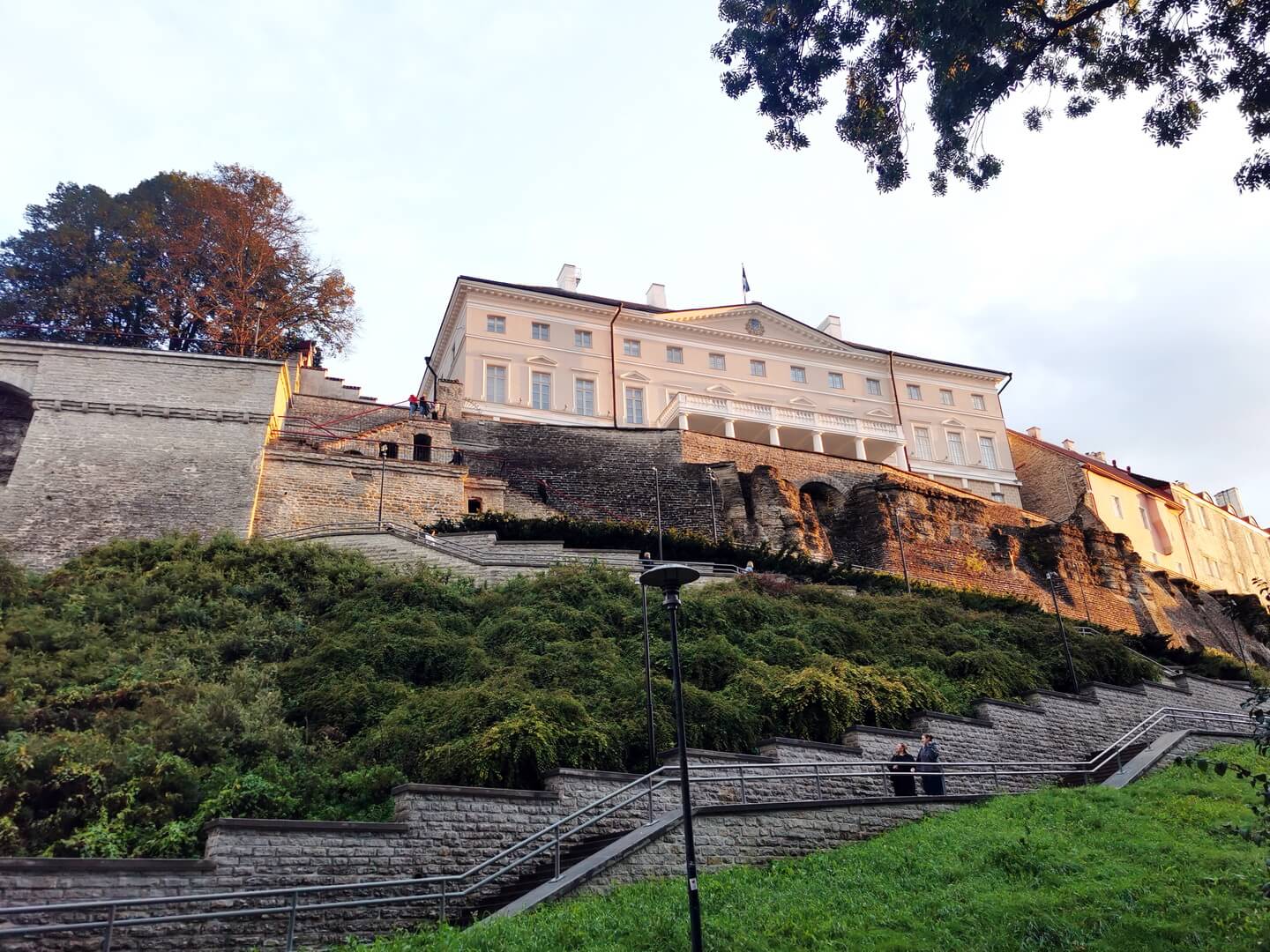
1 September: The 157 steps of the Patkuli stairs below Stenbock House (the seat of the Estonian government). It is a quieter, greener climb to the viewing platforms than the main cobbled streets.
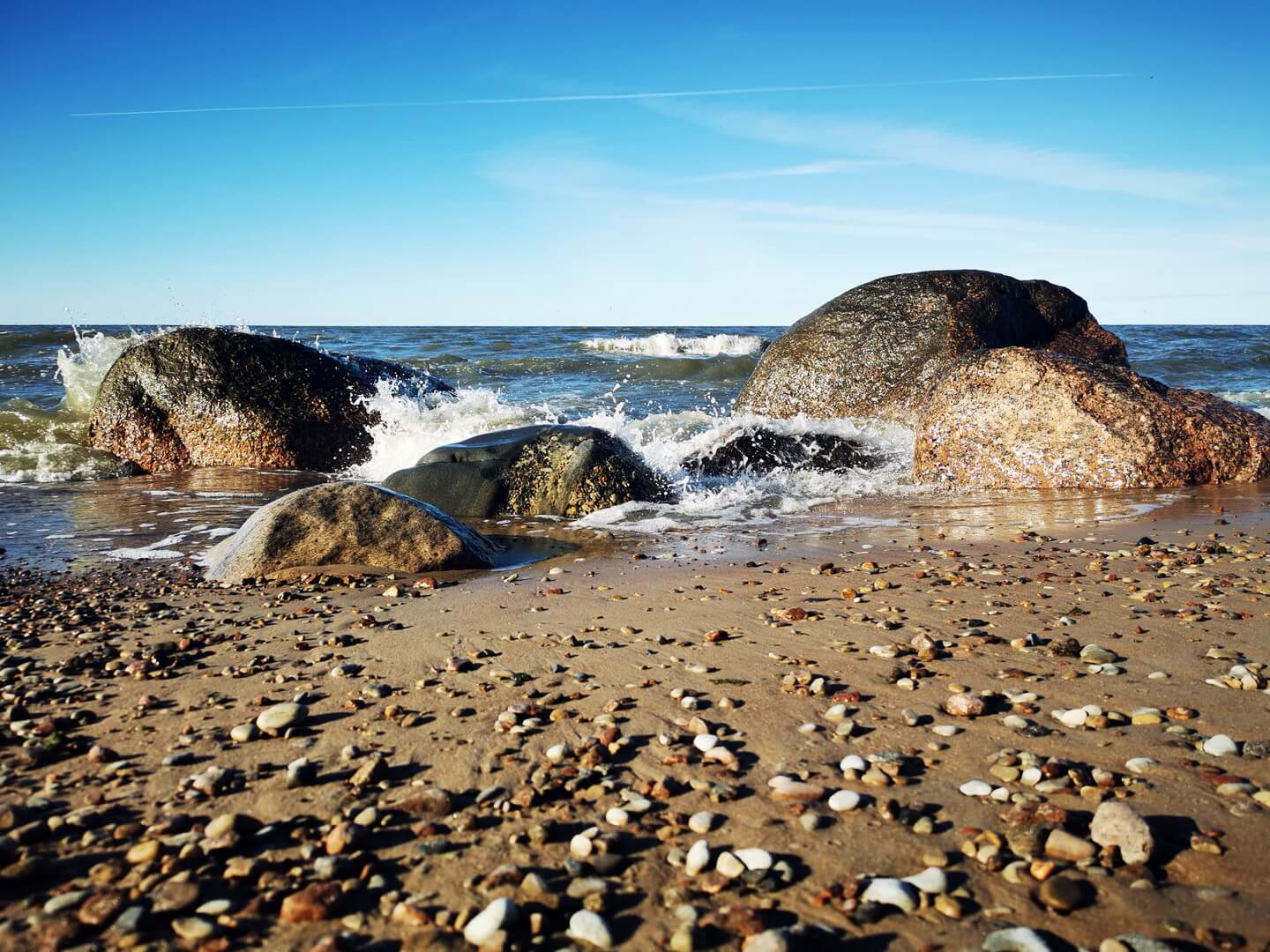
7 September: Ice Age granite erratic boulders dragged from Finland by glaciers line the Tallinn coast between Kadriorg, Pirita, and Rocca al Mare.
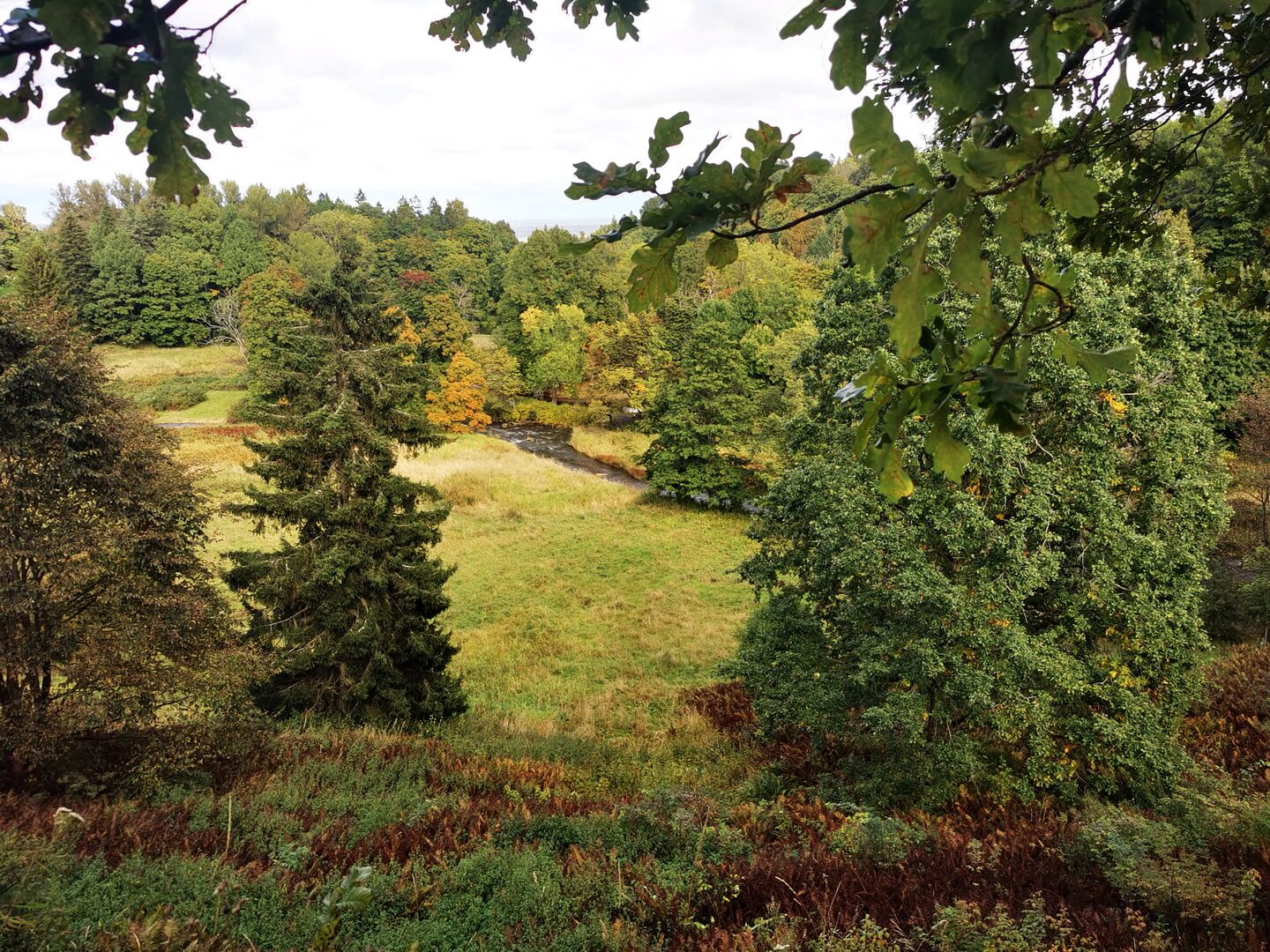
9 September: Cold night air settles into low river valleys like Pirita and Keila-Joa first. This turns riverside birches yellow while city parks stay summer-green.
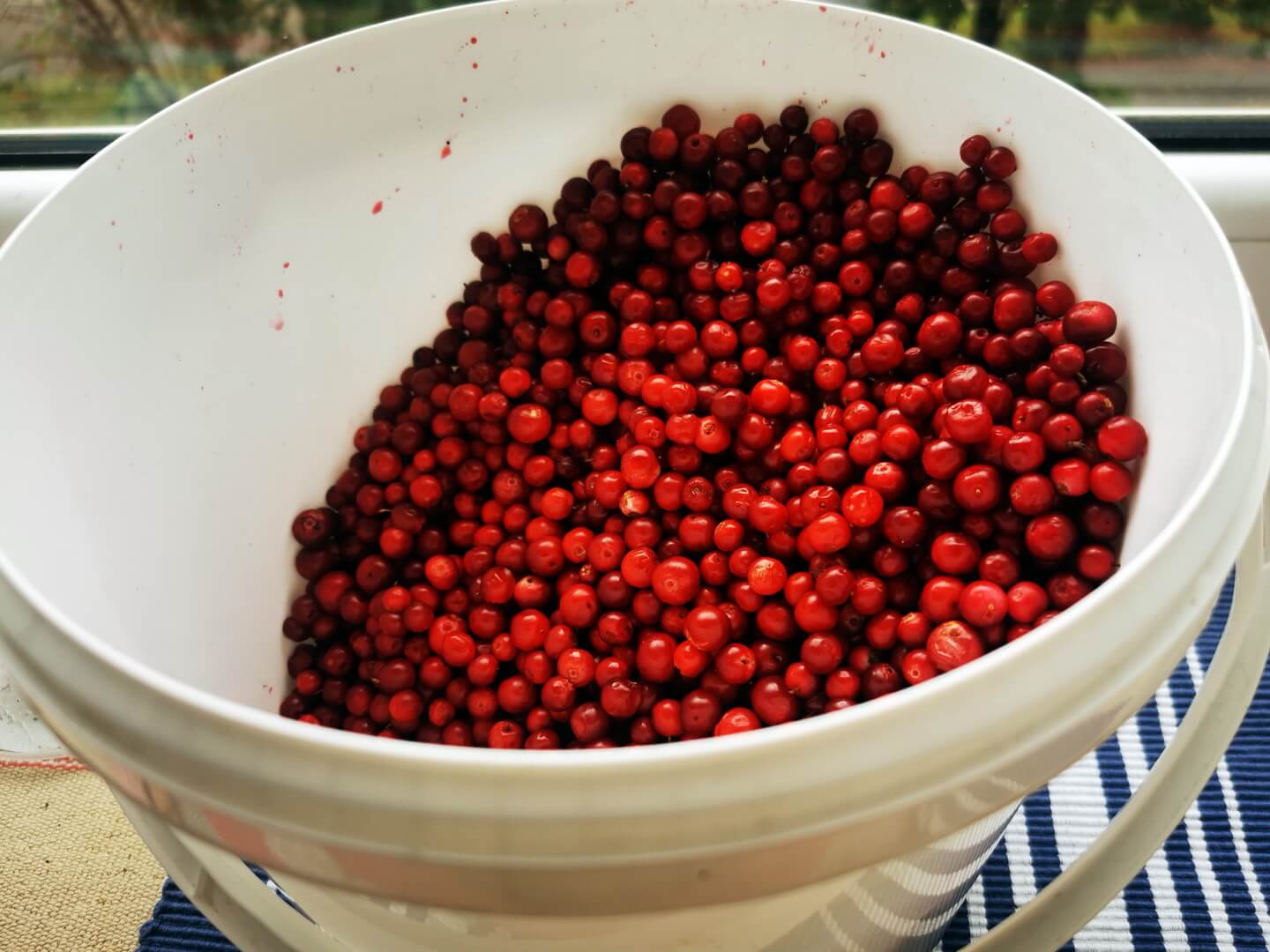
10 September: Two hours in a dry pine forest. Wild lingonberries contain natural benzoic acid, so a box bought at a Tallinn market easily survives a flight home without refrigeration.
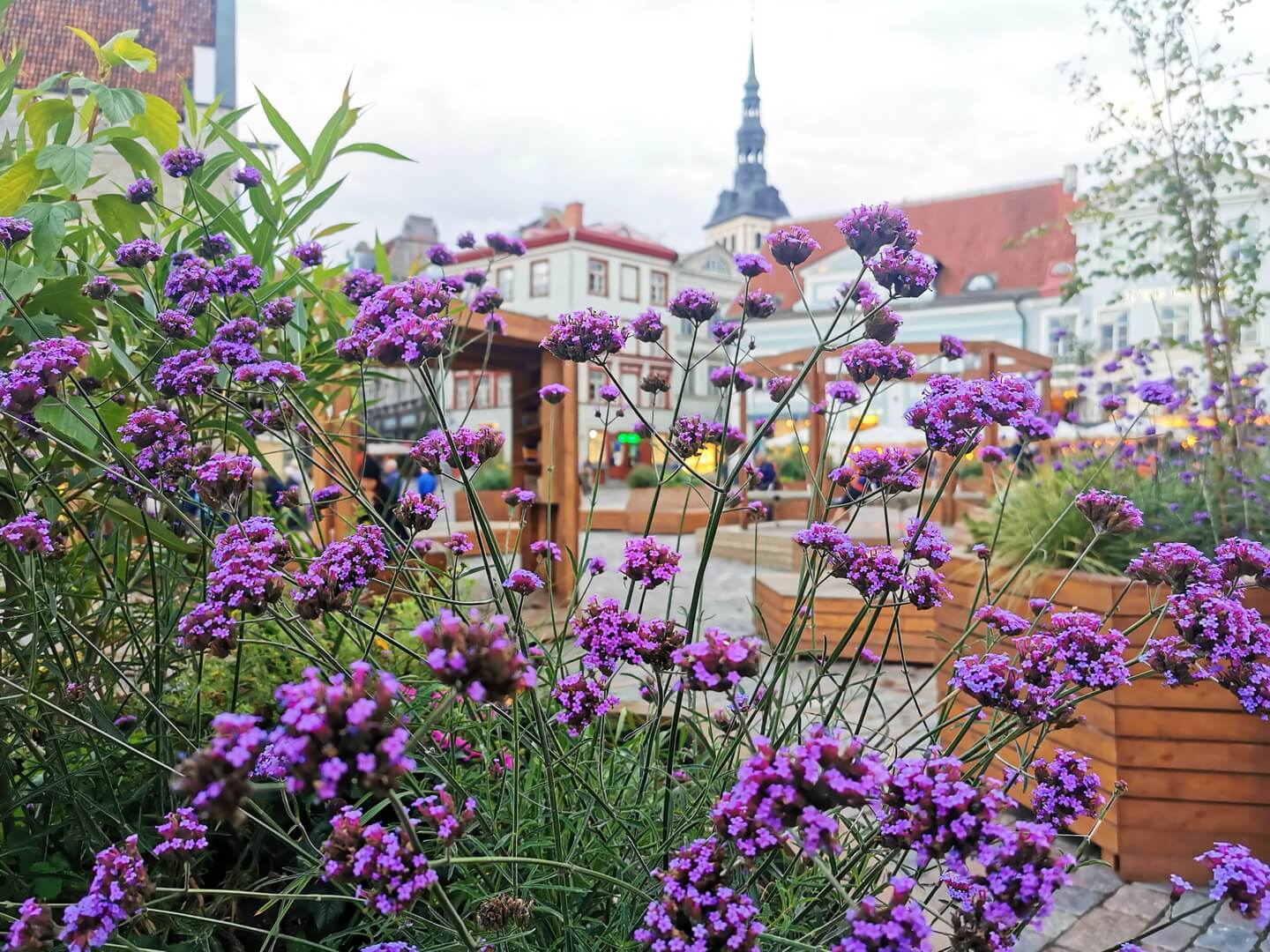
24 September: Before the Christmas Market stalls take over Town Hall Square in November, the city leaves out temporary wooden seating pods. They offer a free spot to sit with a bakery bun without paying terrace prices.
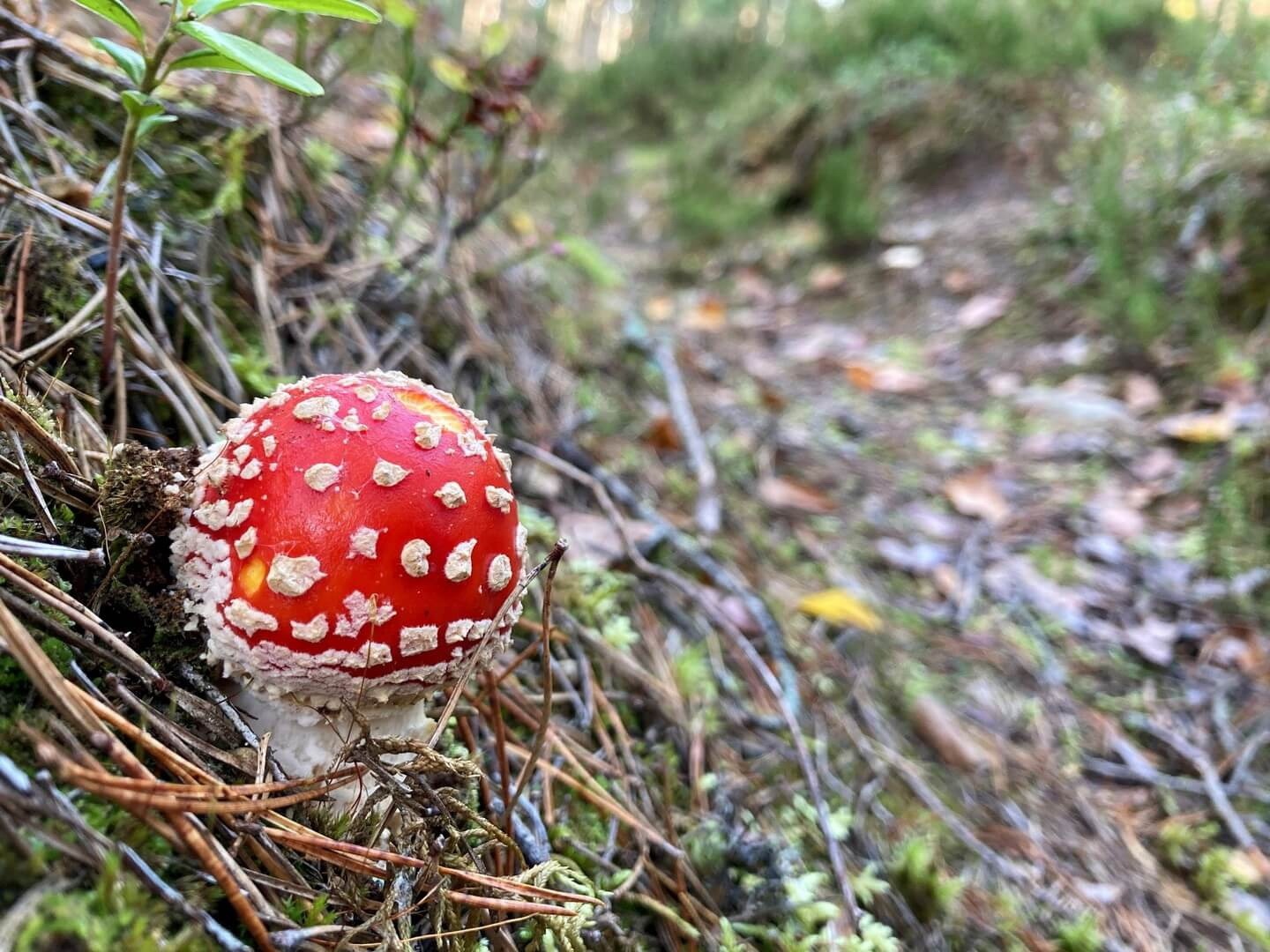
28 September: Local foragers actually welcome the sight of the toxic red fly agaric. It shares the same soil and tree roots as prized porcini, meaning an edible puravik is often hiding nearby. Photo: Margarita Ladugina
October: Peak Colours to Pre-Winter
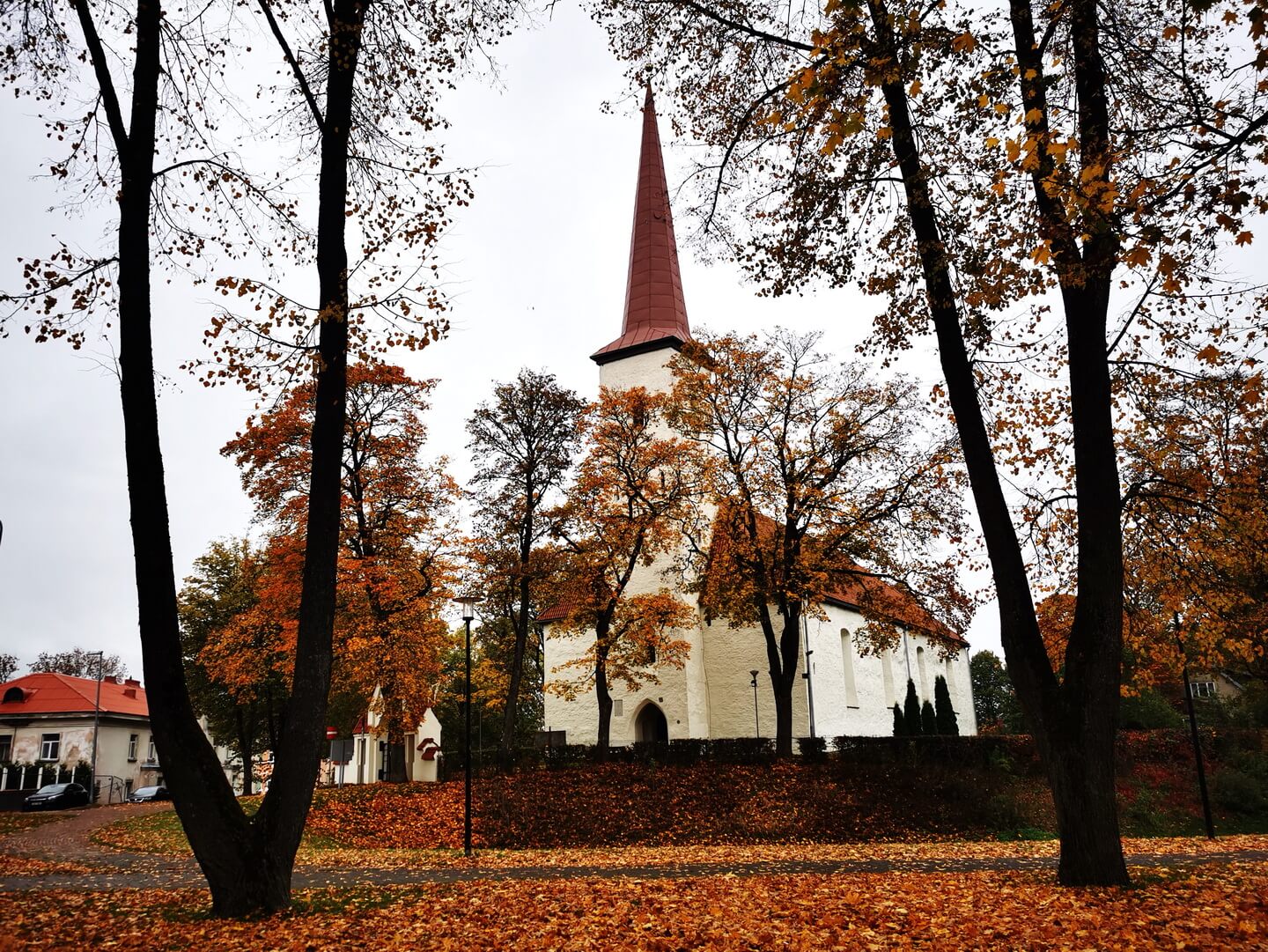
10 October: Viljandi sits two hours south of Tallinn by direct Elron train from Balti Jaam and hits peak colour a week before the coast. Walk from the station to St. John’s Church for quiet parks and zero tour groups.
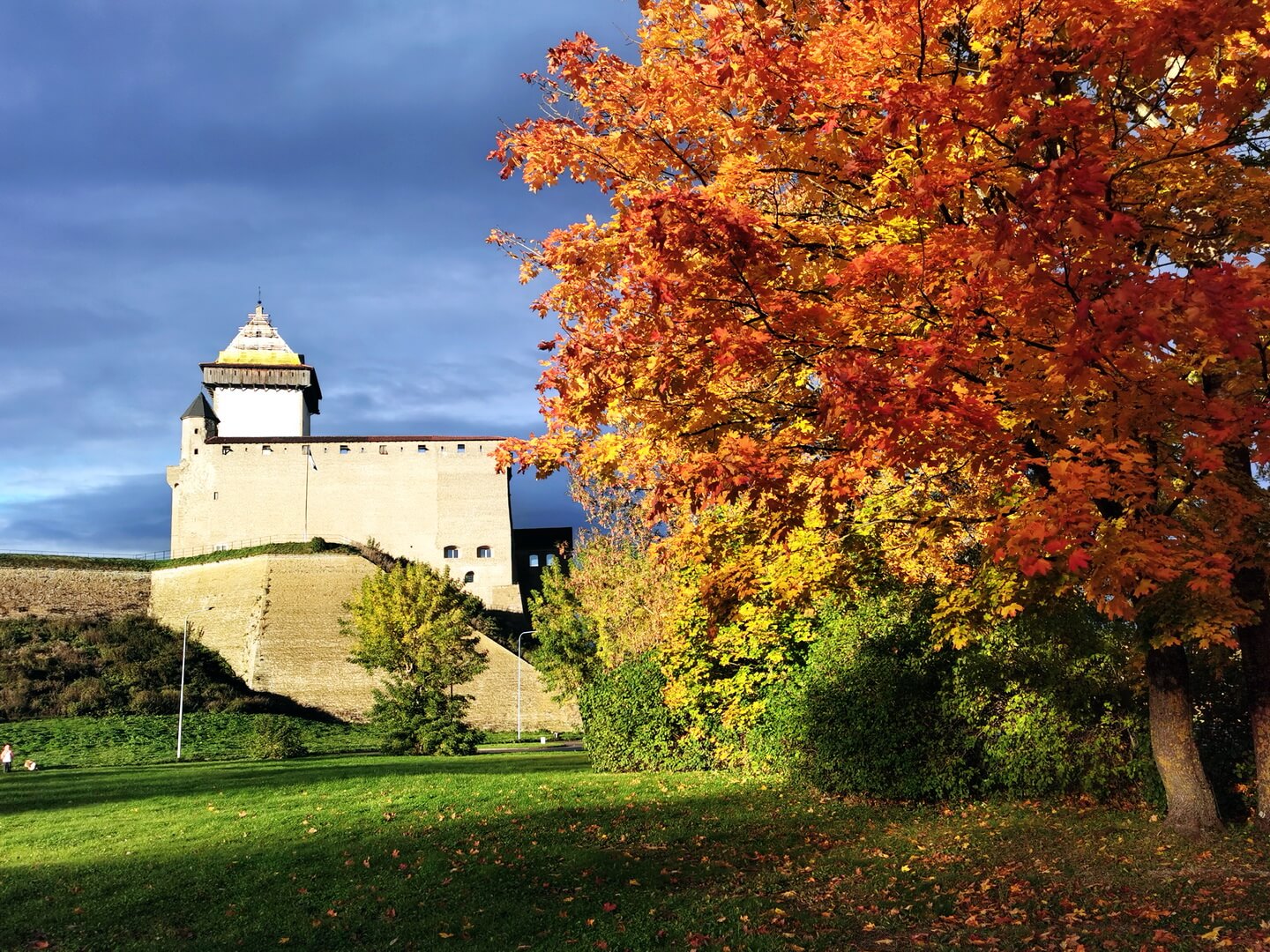
15 October: Narva Castle on Estonia’s eastern border (two hours from Tallinn by express train). Its riverside park is free to enter and looks directly across the Narva River to Ivangorod Fortress.
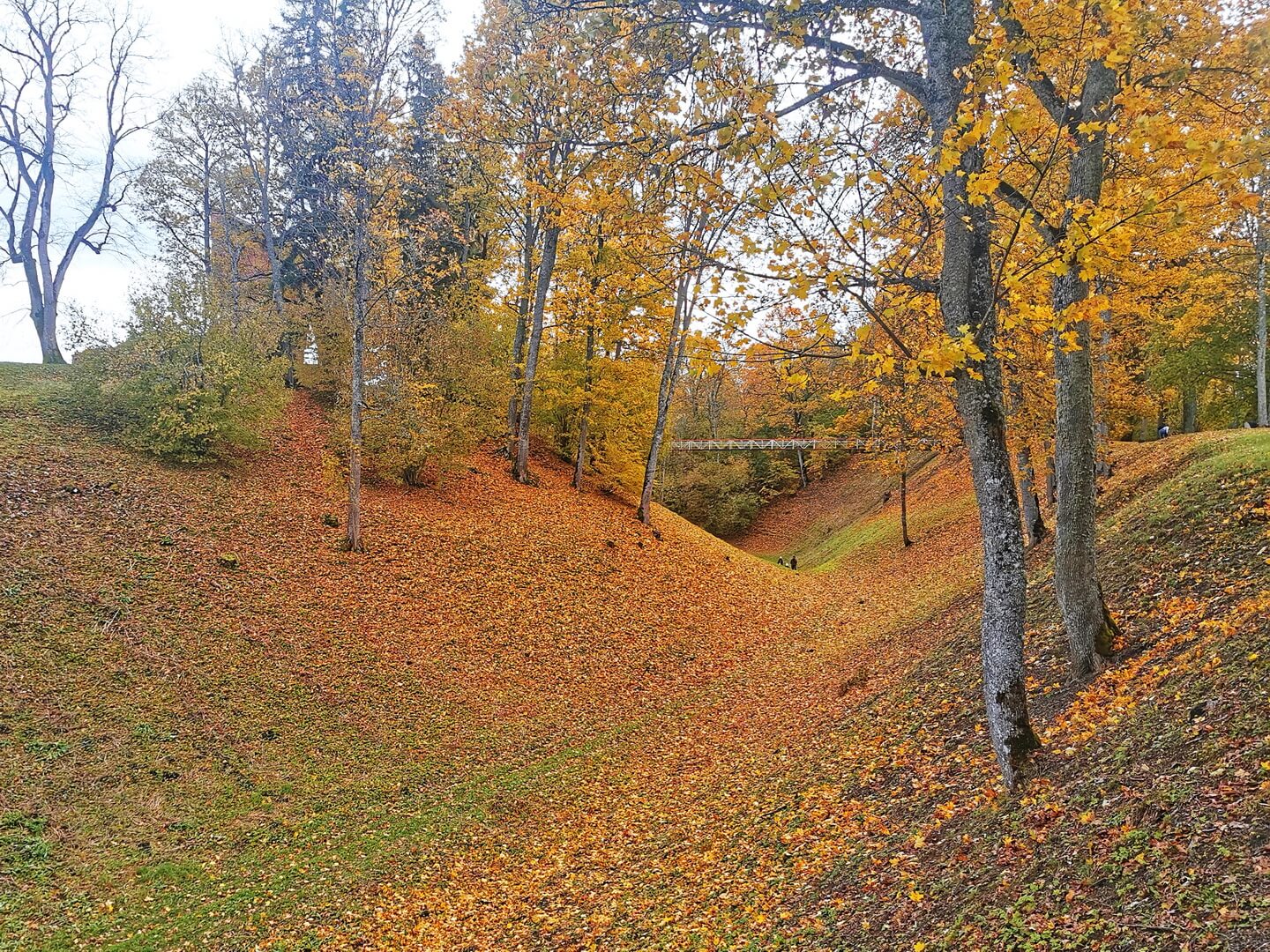
21 October: The deep medieval moat ravines of Viljandi’s Ordulinnus (Order Castle) hills. Because the steep slopes block the wind, the trails at the bottom stay dry and carpeted in gold well into late October.
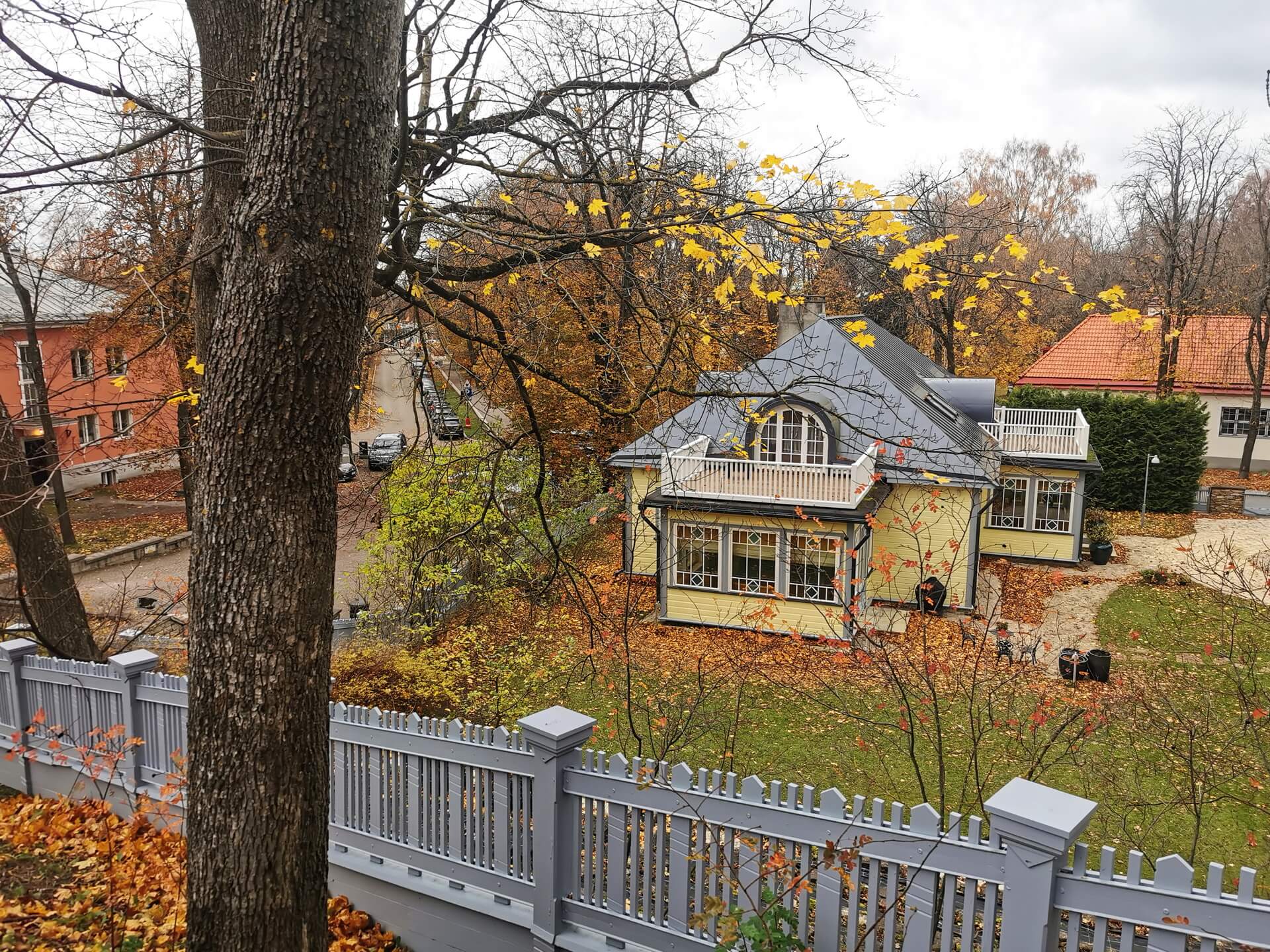
24 October: Late October is the best time to photograph architecture in Kadriorg. Once the heavy maple canopies drop onto the lawns, you get a clear view of the upper balconies and carved gables.
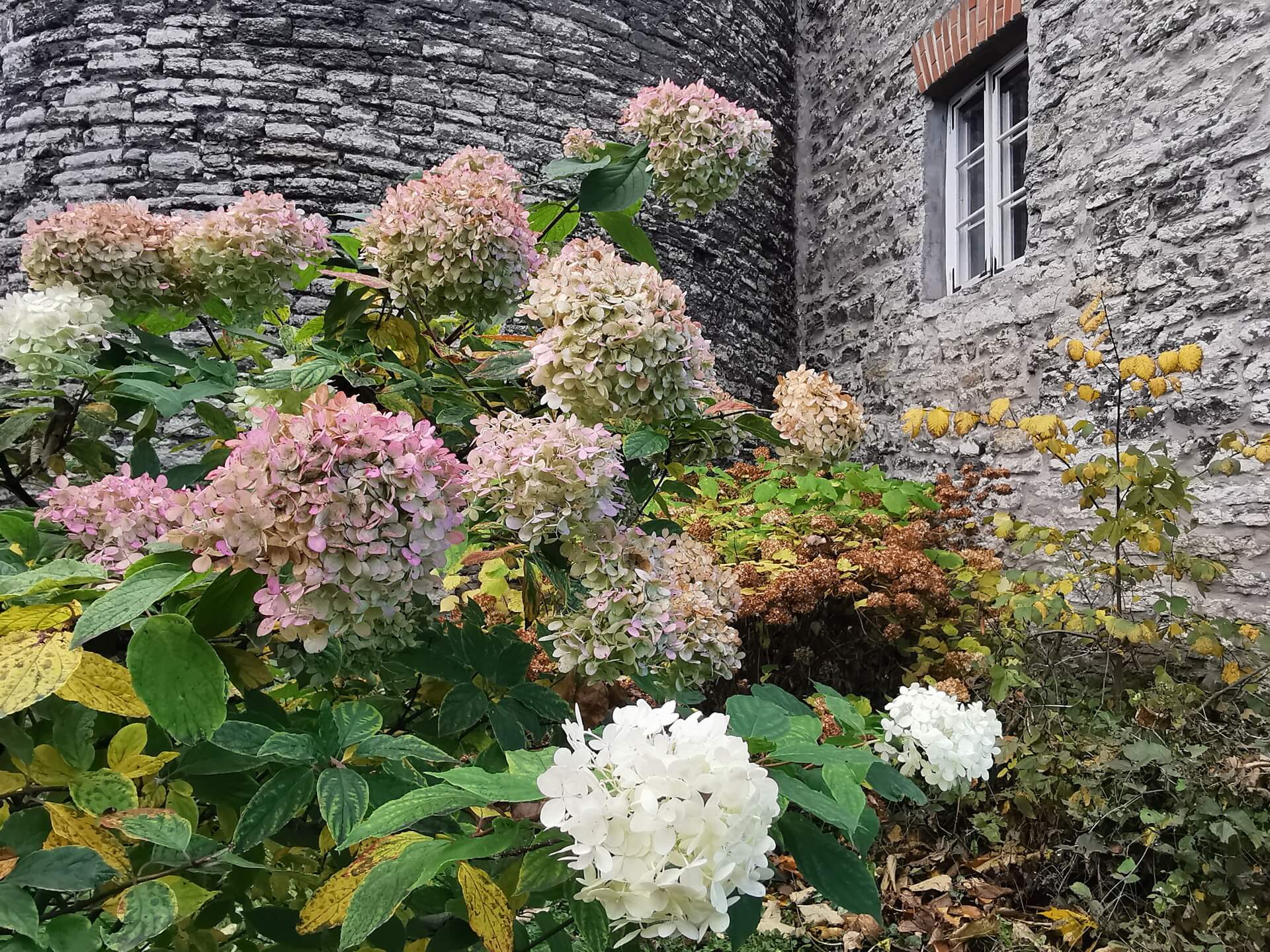
25 October: Thick medieval limestone walls in Tallinn act as giant heat sinks. They absorb daytime sun and shield courtyard flowers from early night frosts.
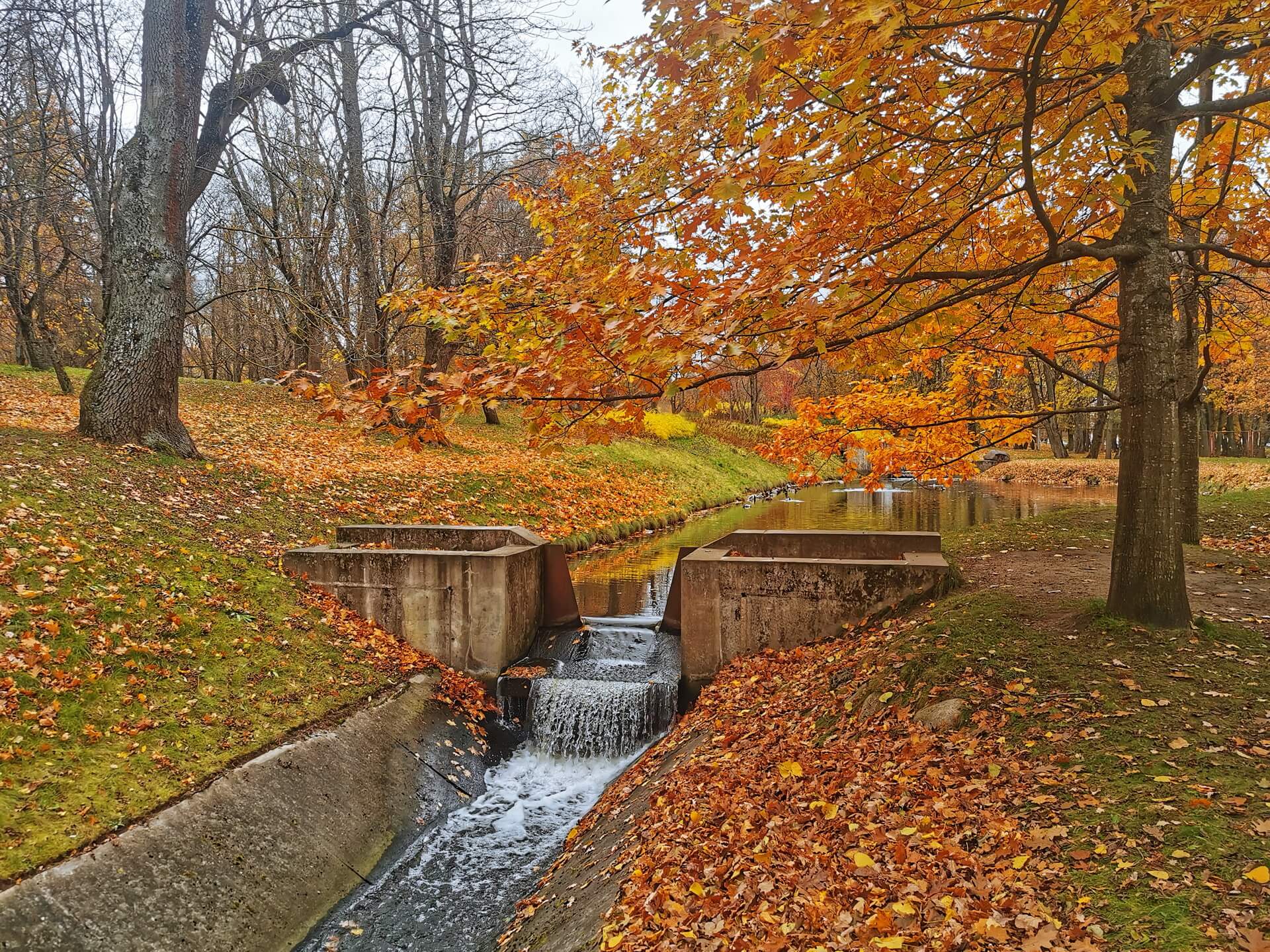
30 October: The paved paths around Kadriorg Palace are swept daily. Meanwhile, the back canals and oak alleys toward KUMU are left under a thick, damp layer of leaves.
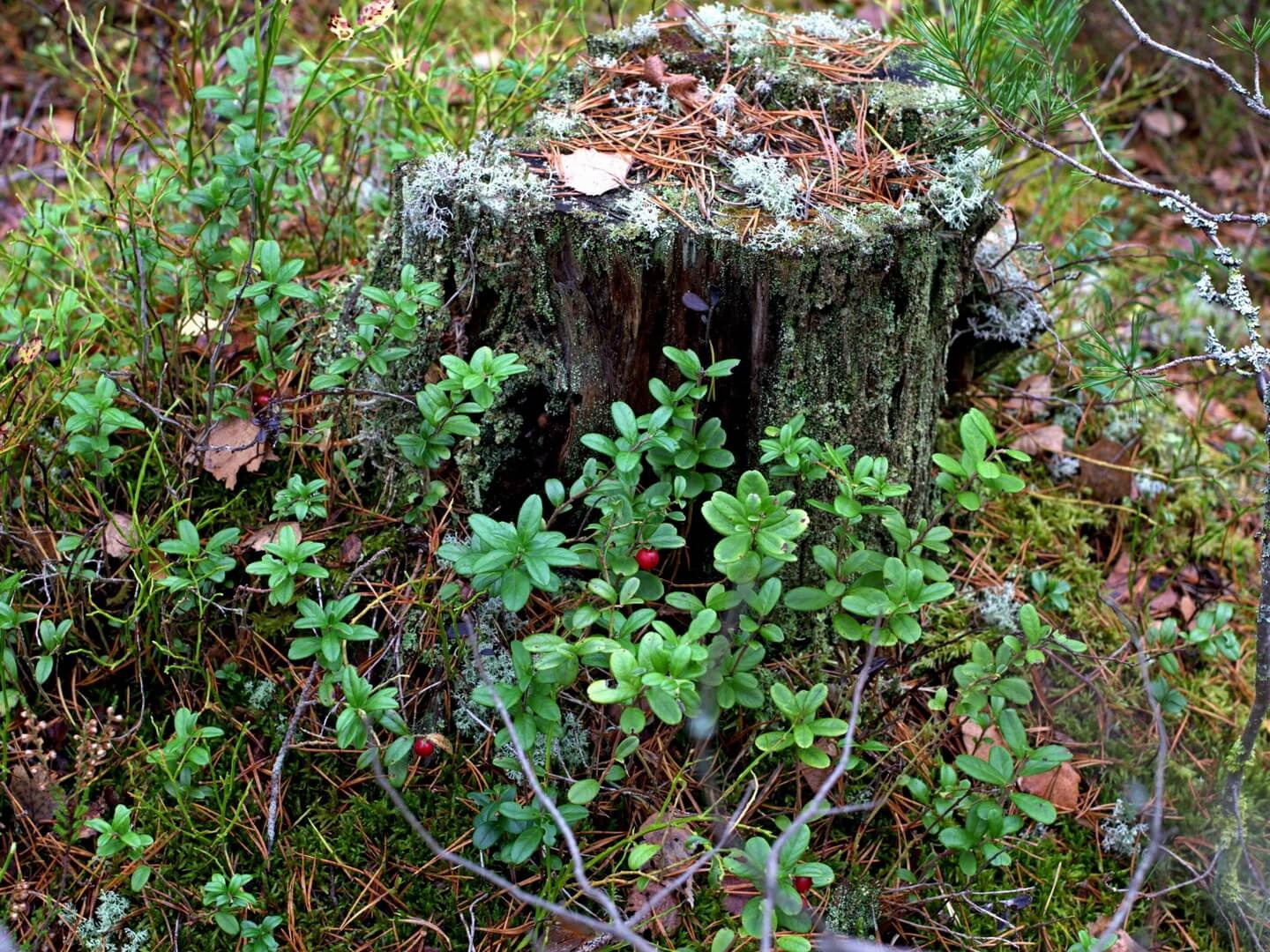
31 October (Morning): Unlike bilberries, wild lingonberry bushes are evergreen. You can spot their glossy leaves and occasional late red berries around mossy pine stumps until the first snow arrives. Photo: Margarita Ladugina
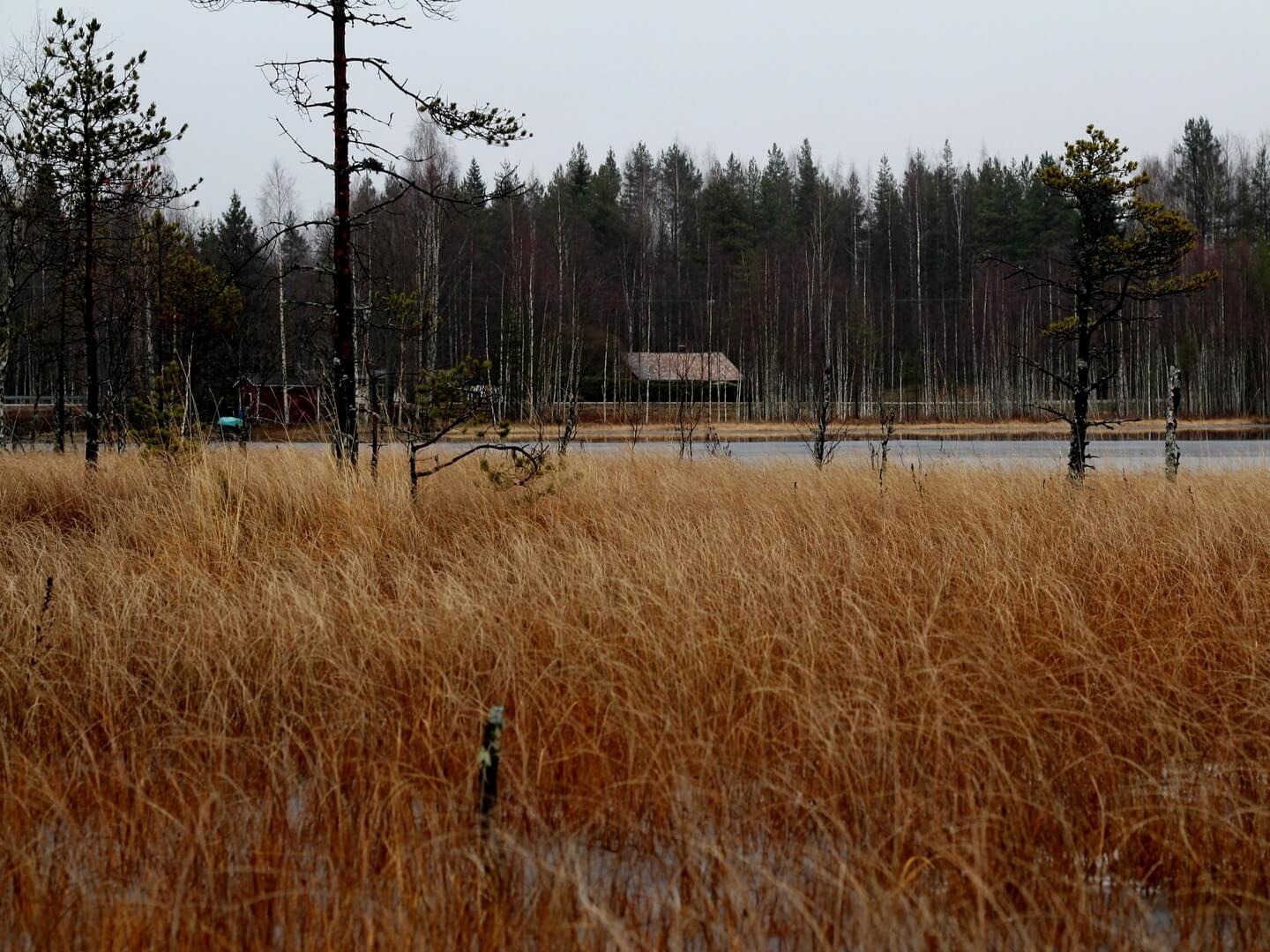
31 October (Afternoon): If you hike a bog trail at the very end of October, start before 11:00. Twilight hits the forest edge by 16:00, and temperatures over open peat water sit 2–3 °C lower than in Tallinn.

