








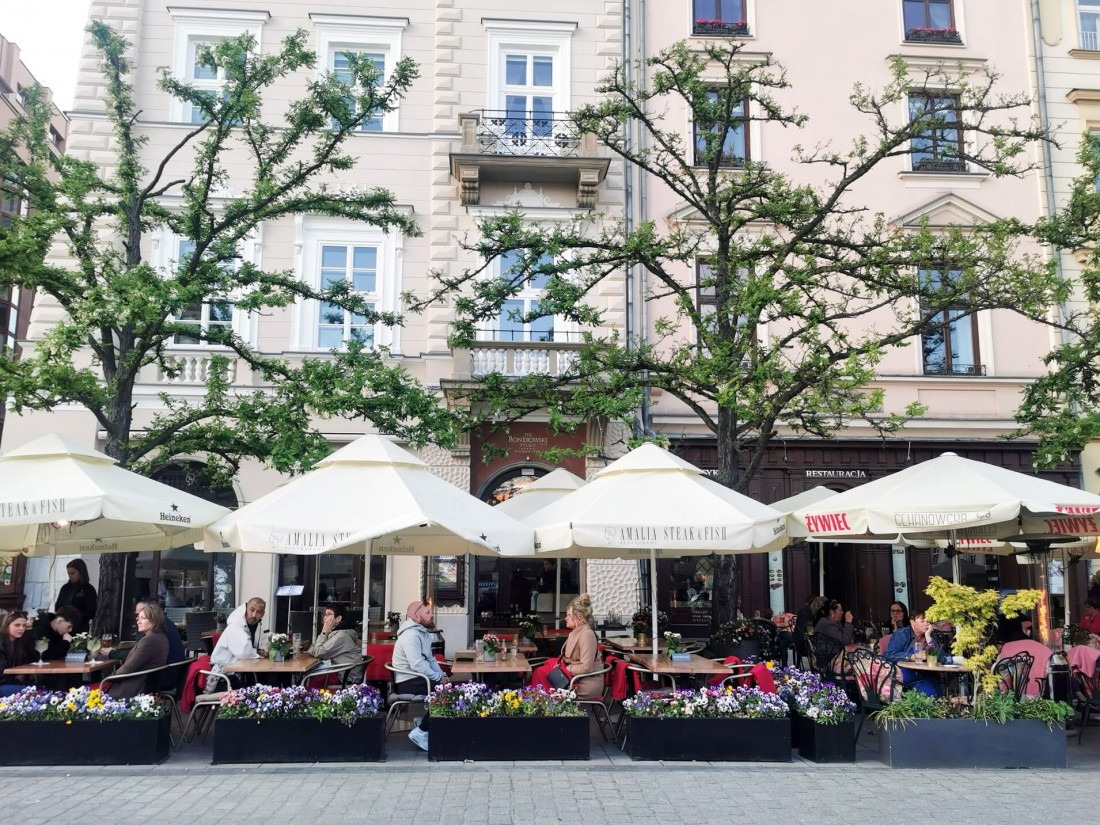
In May 2026, I spent a month exploring Kraków, Tarnów, and the surrounding Lesser Poland countryside.
I expected standard European charm and historical architecture. Instead, I found a region full of daily paradoxes. Here are nine things that genuinely surprised me about the physical reality of modern Poland.
1. Is Kraków Crowded? The 7:00 Urban Hustle
Kraków wakes up aggressively early. I stayed just outside the Old Town on Starowiślna street. By 7:00, the pavements were already packed. Locals rushed to work, and cafes operated at near capacity.
This early momentum dictates your entire travel strategy. Whether you explore the unfiltered physical reality of the Wieliczka salt mine or the royal grounds, arrive by 9:00.
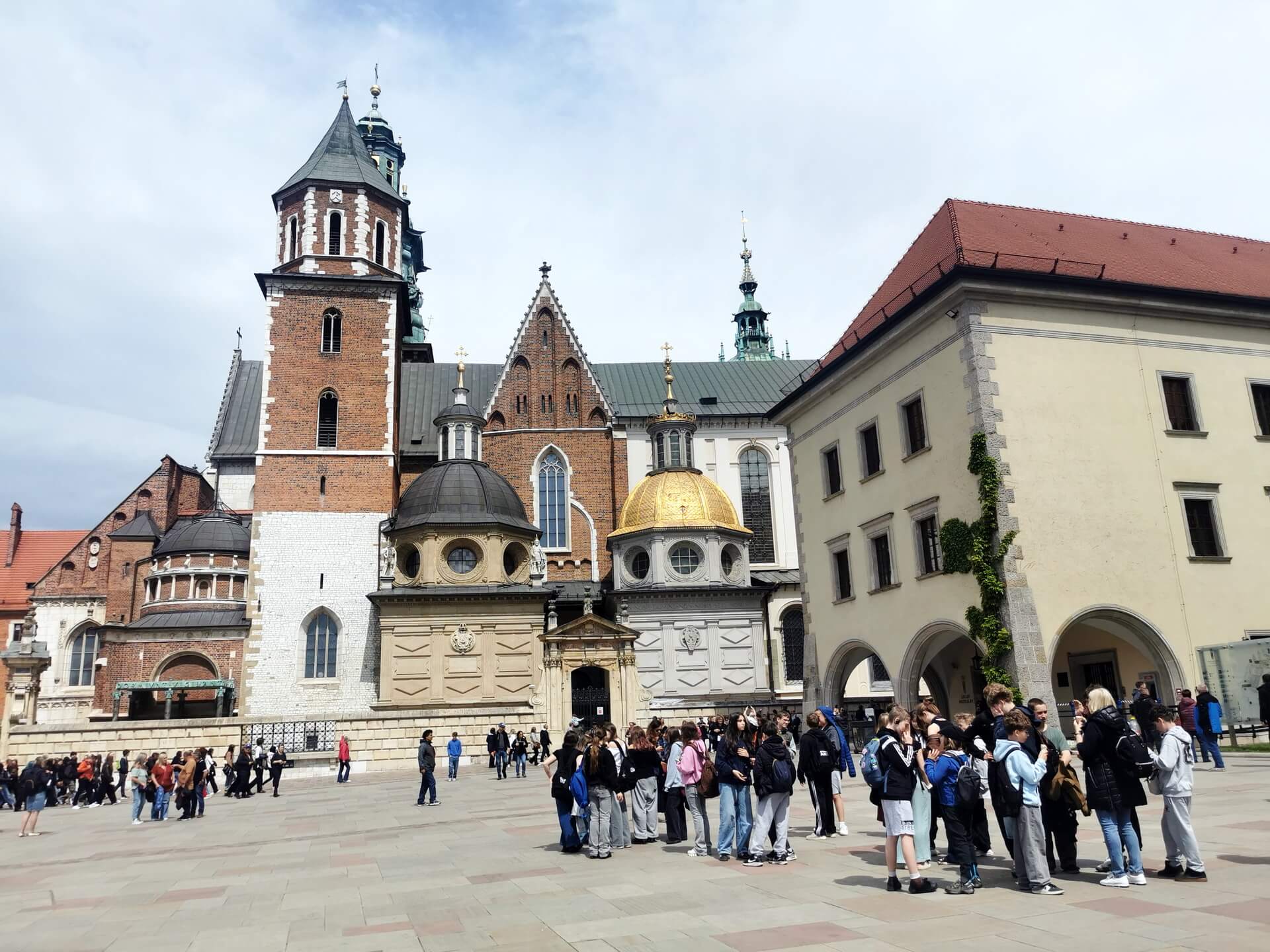
The physical reality of arriving at Wawel Cathedral after 11:00. Early mornings are not optional here.
To guarantee entry and actually hear the history over the noise, I strongly advise booking a Guided Tour of the Wawel Castle & Cathedral in Cracow for the first slot of the day. If you wait until 11:00, crowds completely overrun the major historical sites.
2. The Airbnb Paradox: Why Historic Flats Lack History
When you book an apartment in an unbombed medieval city, you naturally expect a bit of character.
In France or Italy, you routinely navigate around heavy antique wardrobes, dubious oil paintings, and generations of inherited family clutter.
In Kraków, however, the short-term rental market is ruthlessly, almost aggressively, modern.
You can book a flat inside a heavy, 19th-century tenement building, unlock the grand wooden door, and step straight into a sterile grey IKEA showroom. This is not a lack of taste; it is a brutal collision of history and fast-paced capitalism.
Decades of political turbulence wiped out much of the country’s generational middle-class clutter. Then, the recent tourism boom took over.
Property investors gut these historic spaces to the bare bricks, renovating them for maximum financial efficiency and a 15-minute turnaround cleaning between guests.
The flats are impeccably functional, pristine, and very comfortable—but if you want to experience any historical atmosphere, you will have to look out the window.
3. Authentic Polish Souvenirs and the Micro-Business Boom
Independent bistros and highly niche retail shops pack Kraków to the brim. One shop in the Old Town sells almost nothing but wooden rolling pins embossed with biscuit patterns. It seems like a commercially fragile idea, yet it thrives by offering a highly specific souvenir.
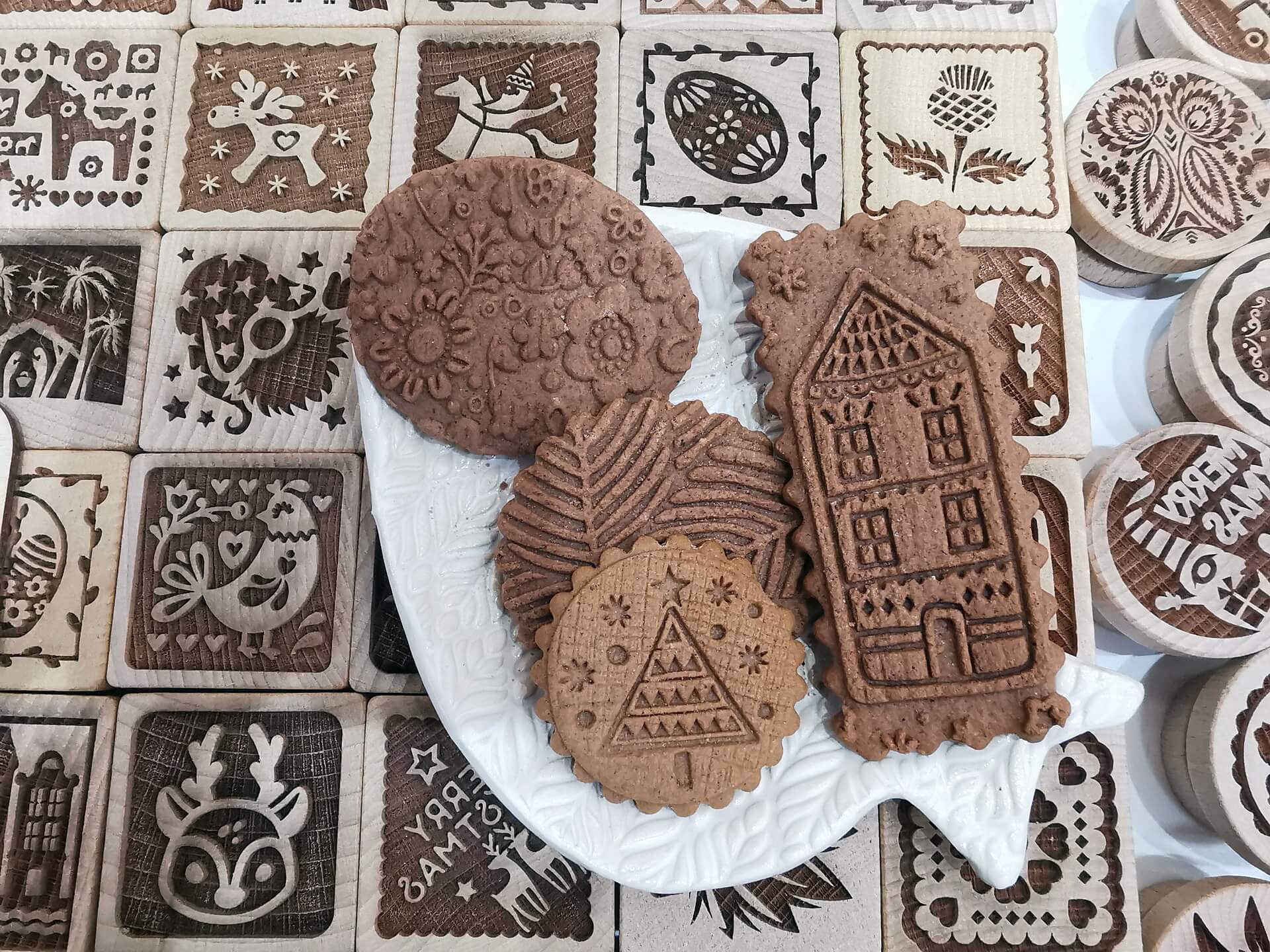
The physical evidence that these hyper-specific souvenirs are meant to be used, not just left to collect dust on a kitchen shelf.
This hands-on entrepreneurial spirit echoes the active, working environments you find in places like Kraków’s historic stained glass workshops.
The drive bleeds deep into the countryside, too. Drive through small villages in Lesser Poland, and nearly every second house sports a printed banner. Locals actively advertise their services or sell fresh goat’s milk right from the front yard.
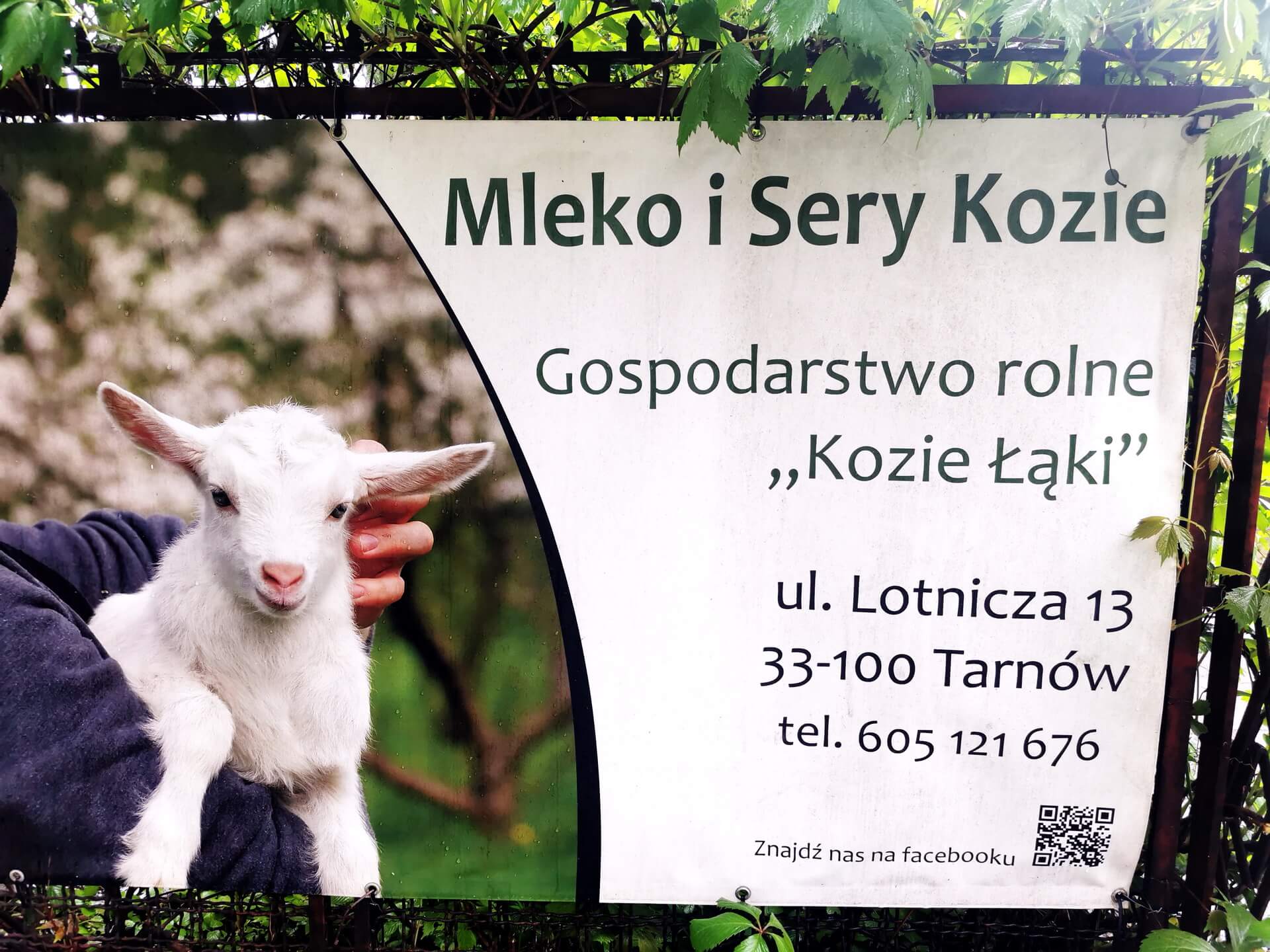
You can buy fresh dairy straight from a village front yard. And yes, the goat comes with a QR code.
This hands-on entrepreneurial spirit echoes the active, working environments you find in places like Kraków’s historic stained glass workshops. It’s not just about retail; it’s about the actual grit of production. I’ve written about the process behind Kraków’s stained glass heritage if you want to look past the souvenir shelves.
4. Surviving the Sunday Trading Ban and Supermarket Checkouts
Shop opening hours present a strange contradiction. Many convenience stores operate late into the night, which feels incredibly accommodating.
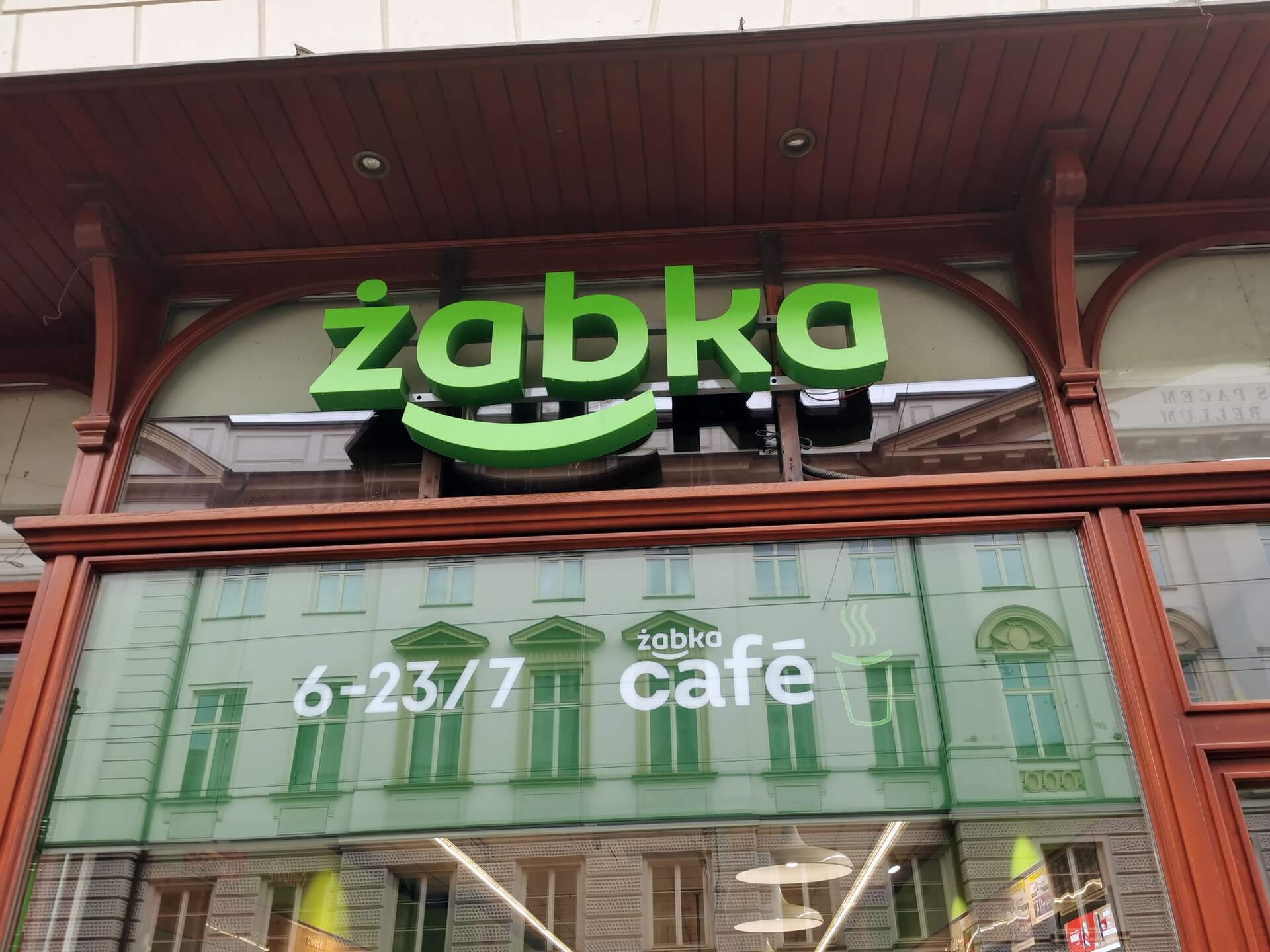
Żabka is less of a convenience store and more of a legal loophole, staying open from 6:00 to 23:00 while the Sunday trading ban shuts down the rest of the country.
Then Sunday hits. The government enforces a strict Sunday trading ban (zakaz handlu w niedzielę). Large supermarkets lock their doors. Only small franchises, pharmacies, and petrol stations stay open. You must plan your weekend grocery shopping in advance.
When you do finally hit a major discount supermarket like Biedronka during the week, prepare for a different kind of intensity.
Some locations still lack self-checkout terminals, leaving you in a sprawling queue. The redeeming factor? Polish cashiers operate at superhuman speeds, processing items with a ruthless efficiency that leaves Western European supermarkets in the dust.
5. The Invisible Inflation Hiding Behind Your Travel Budget
On the surface, Poland looks economically flat. You rarely see crumbling ruins, dilapidated cars, or neglected neighbourhoods, and the country maintains one of the lowest wealth inequality rates in Europe.
While a foreign travel budget still stretches incredibly far in Polish restaurants and hotels, the economic pinch happens quietly at the local checkout counter.
Eavesdropping in a Biedronka queue, I listened to a young couple debate whether to buy chicken wings or pork ribs. They needed their daily budget to last until the end of the week. Locals acutely feel the recent inflation spikes, even if the streets look wealthier than ever to an outsider.
6. Traditional Polish Food Markets: Why the Cheese Counters Look Different
Browse the dairy stalls at authentic local venues like Stary Kleparz and other Kraków markets, and you see a narrow selection of cheeses compared to France or Italy.
Do not blame the Soviet era for destroying artisanal crafts. Unlike the USSR, agricultural collectivisation largely failed in Poland. Farmers kept their private lands and traditions.
The reality is simply a different gastronomic climate. Polish tradition focuses on fresh dairy (twaróg) and smoked mountain cheeses like oscypek or bundz, rather than cave-aged varieties.
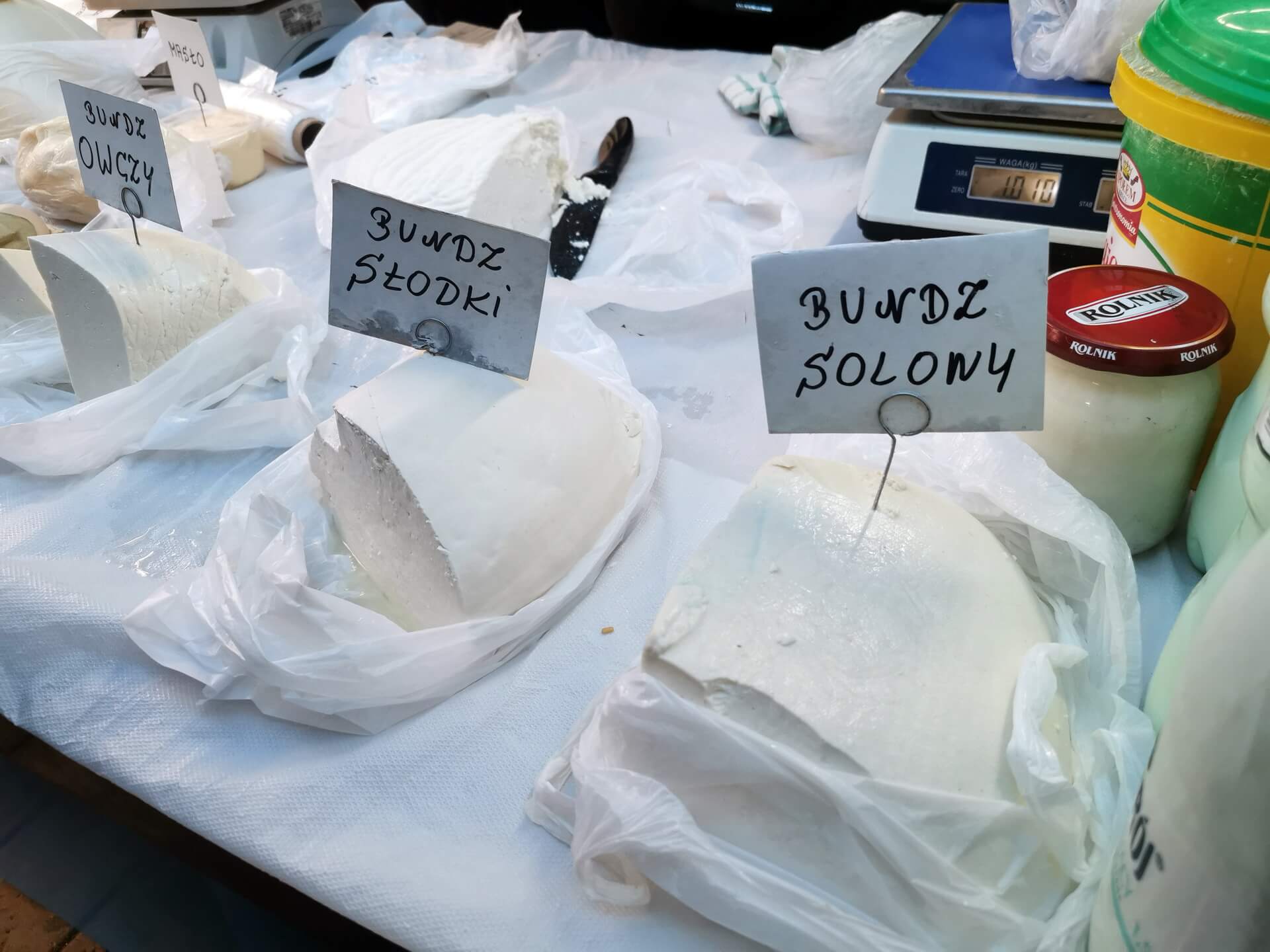
No climate-controlled aging caves here. Just blocks of extremely fresh sheep’s milk cheese sold directly from a folding table—exactly as it should be.
To navigate these stalls effectively and taste the nuances, joining a dedicated Krakow food tour is a smart move—it bypasses the commercial traps and takes you straight to the authentic vendors.
7. How to Use Trains in Poland: The Koleo App Catch
The regional rail network looks brilliant. Spotless, modern trains cut through impeccably maintained green landscapes. You buy regional rail tickets through the Koleo app.
However, the system hides a slight trap for the uninitiated. To access standard fares, you must complete a one-off online registration. It takes barely a minute. But if you stand on the platform with seconds to spare, you will miss your train.
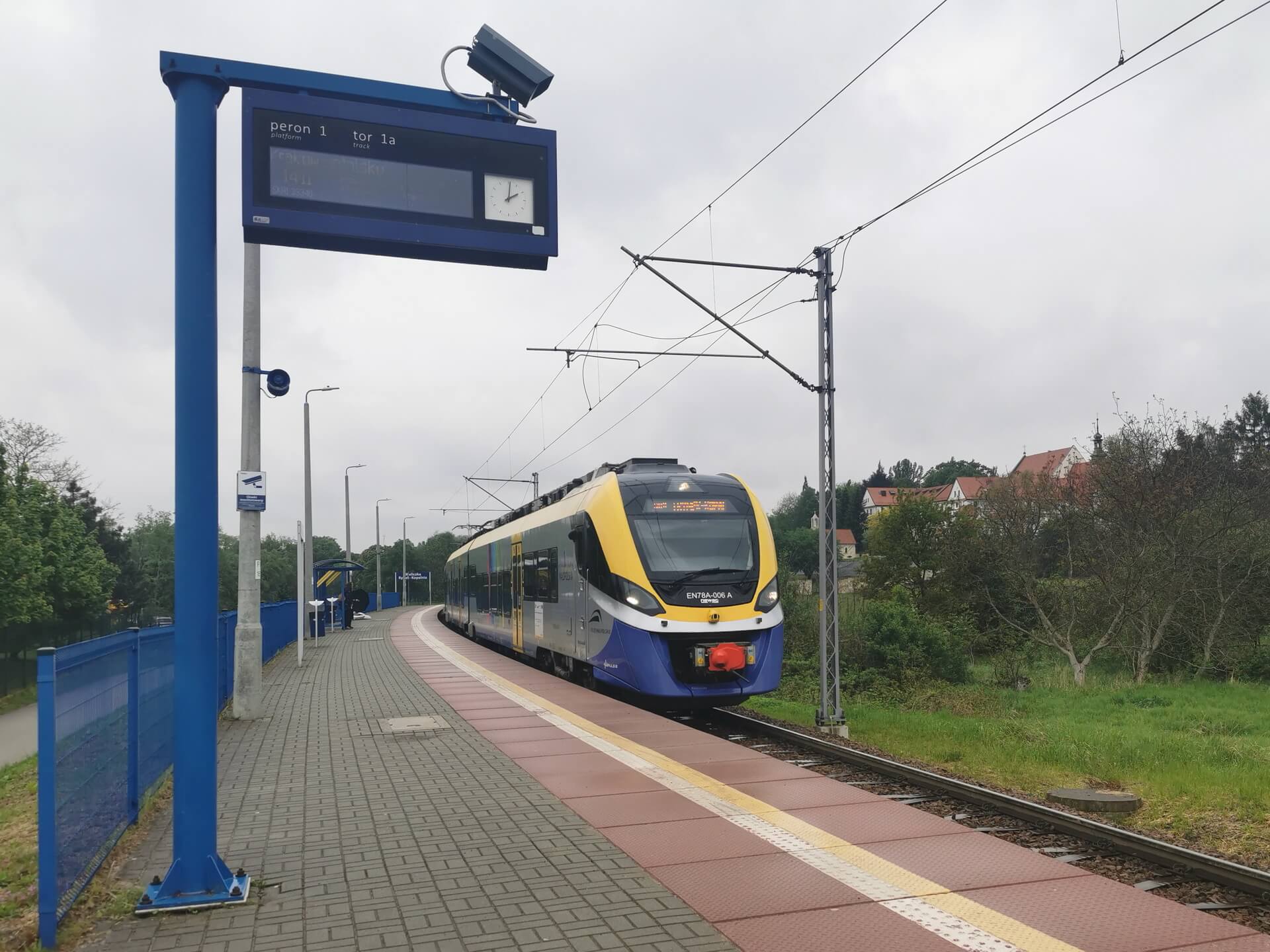
The regional rail network looks brilliant and efficient, right up until the moment you realize you haven’t registered in the app and the train is pulling into the station.
The analogue backup works well: march straight to the first carriage and find the conductor. You secure a ticket, but you pay a slight onboard surcharge.
A logistical alternative: If you prefer to skip the rail navigation and train schedules entirely, I documented exactly how I managed to visit the Eagles’ Nests Trail in a single day using a guided minivan tour. It’s the only realistic way to hit all the key cliffside castles without a car, and it saves you the stress of navigating the rural transport system yourself.
8. Is Poland Friendly to Tourists? The Hospitality Reality
Service industry workers here display exceptional generosity. You rarely catch the weary, resentful glares so common in heavily touristed Mediterranean spots.
During my trip to Kalwaria Zebrzydowska, I arrived at a restaurant just before closing time. The staff had already cleared the outdoor terrace for the night. I mentioned the dining room felt too hot. Without a single sigh, they cheerfully set a table for me outside anyway.
9. Religion in Poland: What to Expect Inside the Churches
Southern Poland acts as the country’s “Bible Belt”, and locals pack the churches. However, the atmosphere inside completely lacks grim dogmatism.
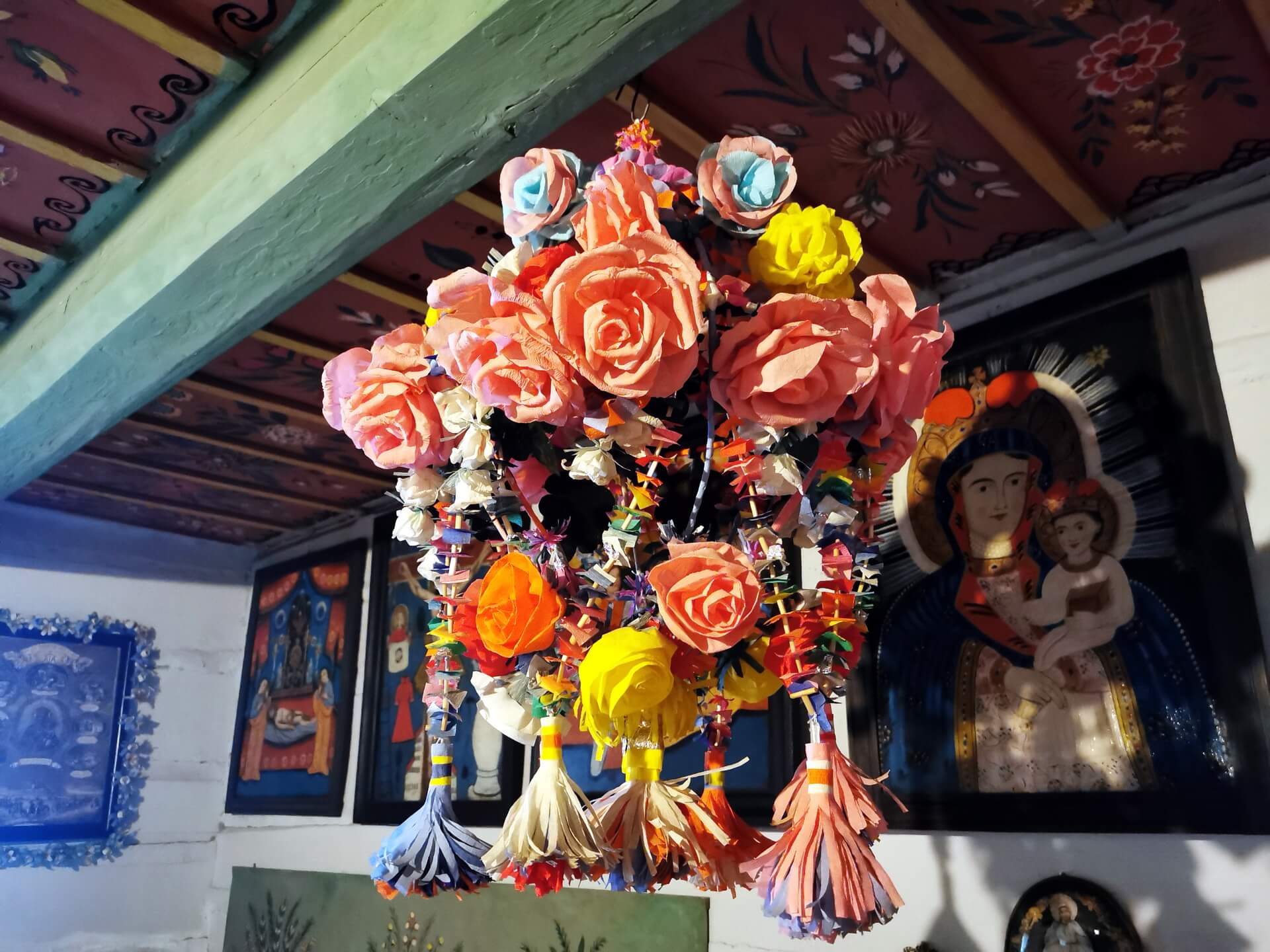
Nothing says ‘grim religious dogmatism’ quite like a violently colourful chandelier made entirely of paper flowers.
The environment feels warm and community-driven. Priests frequently joke from the pulpit, and the congregations laugh out loud in response. This cheerful approach to faith is a deeply rooted cultural trait.
You see the exact same lightheartedness when exploring the traditional visual culture and historic folk crafts at the Kraków Ethnographic Museum. Instead of solemn artefacts of pious suffering, the ceilings are dominated by bright paper chandeliers, and carved wooden saints wear relaxed, mildly amused expressions.

